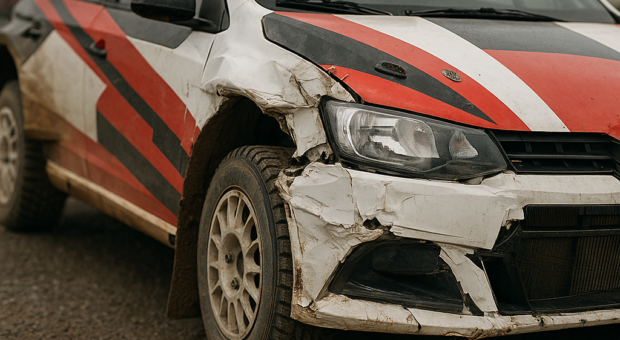
How to Spot Accident Repairs on a Rally Car: A Technical Guide for Rally Fans and Teams
Rally cars face extreme conditions across gravel, tarmac, snow, and mixed surfaces, pushing every component to its limits. As a result, collisions and off-road excursions are common, leading to repairs that can impact performance, reliability, and compliance with rally regulations. Understanding how to spot accident repairs on a rally car offers valuable insight into the challenges faced by teams and drivers, as well as the strategic decisions made during events.
Overview: Why Identifying Accident Repairs Matters in Rally
Rally cars are highly engineered machines designed to perform consistently under punishing conditions. When accident damage occurs, it can affect:
- Vehicle safety and structural integrity
- Rally car setup and handling balance
- Compliance with FIA rally regulations
- Rally team strategy decisions about repairs or retirement
For rally fans, being able to recognize signs of accident repairs deepens appreciation for the sport’s technical complexity. For competitors and mechanics, it helps optimize service park work and manage rally car reliability throughout WRC rally stages or national events.
Key Technical Points: Common Signs of Accident Repairs on Rally Cars
Spotting accident repairs requires attention to details that differ from normal wear and tear. Here are the main technical indicators:
1. Bodywork and Panel Alignment
- Mismatched paint or texture: New panels or filler may have a slightly different shade or finish under close inspection.
- Irregular gaps: Doors, bonnet, or fenders that do not align perfectly, indicating straightening or replacement.
- Visible welds or rivets: Especially near wheel arches or chassis rails where repairs are common after impacts.
2. Suspension and Wheel Assembly
- Non-factory bolts or hardware: Replaced suspension components might use different fasteners or show fresh tool marks.
- Uneven camber or toe settings: After repairs, suspension geometry can be altered, affecting handling on gravel vs tarmac setups.
- Scratches or dents on control arms and hubs: Signs of impact with rocks or barriers.
3. Undercarriage and Chassis
- Fresh underbody protection panels: Replacement skid plates or guards that look newer than the rest of the car.
- Bent or replaced chassis rails: Visible after removing mudguards or under-trim.
- Unusual welds or reinforcements: Indicating structural repairs to maintain FIA homologation and safety standards.
Stage Conditions: How Accident Repairs Reflect Rally Terrain Challenges
Different rally stages impose unique stresses that lead to specific types of damage and repairs:
- Gravel stages: Rocks and ruts often cause suspension damage, punctures, and underbody scrapes. Repairs here focus on suspension integrity and chassis protection.
- Tarmac stages: High-speed impacts with barriers or kerbs can bend body panels and damage suspension geometry.
- Mixed surface events: Require rapid setup changes; accident repairs may involve quick fixes to bodywork or suspension to maintain performance across gravel vs tarmac setup changes.
For example, a WRC rally team facing a large rock strike on a gravel stage might replace a damaged lower control arm during the service interval, leading to subtle differences in bolt types or suspension geometry.
Strategy Insights: Repair Decisions and Rally Team Tactics
Teams must balance the time and resources spent on repairs against rally regulations and championship points:
- Service park repair windows: Limited time means only critical repairs are prioritized.
- Rally regulations compliance: FIA mandates strict controls on structural repairs to maintain safety; teams must document all work.
- Rally car reliability vs performance tradeoff: Quick repairs may restore reliability but impact optimal rally car setup, affecting stage times.
- Retirement decisions: Severe damage that cannot be safely or legally repaired leads to retirement, influencing championship standings.
For example, during a WRC rally championship update, teams often reveal the extent of repairs made after mid-event crashes, showcasing the resilience of both driver and machine.
Common Mistakes When Assessing Accident Repairs on Rally Cars
Even experienced rally fans and mechanics can misinterpret signs of accident repairs. Common pitfalls include:
- Confusing normal wear with damage: Rally cars accumulate scratches and dents that do not necessarily indicate repair.
- Overlooking subtle suspension changes: Minor geometry shifts can be hard to detect without precise tools.
- Ignoring rally regulations context: Some repairs are invisible externally but must comply with FIA homologation rules.
- Assuming all bodywork imperfections are from accidents: Aerodynamic modifications and rally car setup tweaks can alter body panel appearance.
Practical Tips for Rally Fans and Competitors
- Watch for service park footage and photos to compare before and after repair conditions.
- Learn basic suspension geometry concepts to understand handling changes post-repair.
- Follow motorsport news and rally championship updates for teams’ repair strategies and technical bulletins.
- Attend rally stages with a keen eye on body panel gaps, bolt heads, and paint textures.
Understanding accident repairs enriches the rally viewing experience and provides a window into the relentless challenge of maintaining rally car reliability under competitive pressure.
Rally fans and competitors alike gain a new appreciation for the blend of engineering, teamwork, and rapid problem-solving that defines rally racing. Recognizing the subtle clues of accident repairs connects you closer to the heart of the sport — where every second counts and every repair can make the difference between winning and retiring.
See also our previous article: How competition mileage affects real rally car wear