How Weather Shifts Impact Rally Car Tyre Choice and Stage Pace: A Deep Dive into Rally Strategy
What Happened: Weather Throws a Curveball on Rally Stages
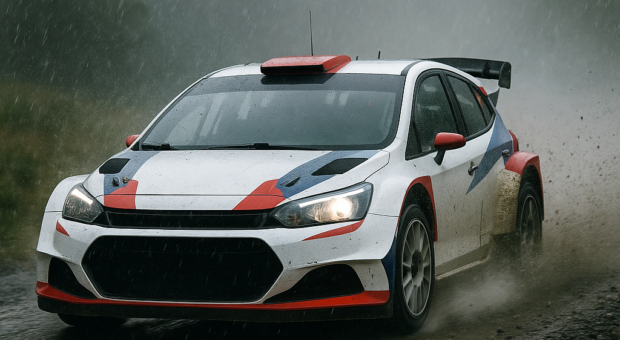
This weekend’s WRC gravel stages saw rapidly changing weather conditions that significantly influenced tyre choice and overall pace. Starting with dry, dusty roads in the morning, intermittent rain showers hit mid-stage, turning sections into slippery mud patches. These conditions forced rally teams to rethink their traditional gravel vs tarmac setup and adapt on the fly.
Drivers who gambled on intermediate tyre compounds gained a surprising advantage, while others struggled on hard gravel tyres that lost grip once the rain soaked the track. The variable weather turned the rally into a strategic chess match, with tyre choice becoming as critical as driver skill or car reliability.
Key Moments: Tyre Gamble Pays Off for Some, Backfires for Others
- SS3 and SS4: Sudden rain showers soaked the normally dry gravel roads, forcing crews to decide between slick gravel tyres or soft compound intermediates.
- Stage 5: Several top drivers lost time sliding off-line on the muddy sections, while a handful using softer tyres navigated with greater confidence.
- Mid-stage service: Teams scrambled to adjust tyre pressures and suspension settings, aiming to balance grip and durability across mixed surfaces.
- Final stage: The roads dried again, punishing those who stayed on soft tyres, allowing drivers with hard gravel setups to claw back valuable seconds.
Technical and Strategic Impact on Rally Car Setup
The fluctuating weather highlighted the importance of flexible rally car setup, especially suspension tuning and tyre management.
Rally Car Setup: Suspension and Tyre Synergy
- Softer suspension settings provided better compliance over muddy ruts but risked bottoming out on dry gravel sections.
- Harder suspension favored high-speed stability on dry roads but compromised traction in slippery conditions.
- Teams adjusted ride height to avoid damage from hidden rocks under the mud while maintaining aerodynamic efficiency.
Tyre Choice: Gravel vs Tarmac Setup Challenges
- Intermediate tyres with deeper tread grooves offered better evacuation of water and mud, improving grip but wearing faster on dry surfaces.
- Hard compound gravel tyres provided durability but lacked bite on wet patches.
- The dilemma forced teams to choose compromise setups or gamble on weather forecasts, impacting stage times dramatically.
Driver and Team Reactions: Praise and Frustration Amid Weather Chaos
Top drivers acknowledged the challenge of unpredictable weather affecting their rhythm and confidence.
> “The sudden rain caught us off guard. Our tyre choice was spot-on for the first half of the stage but became a liability as the road dried,” said one leading driver.
Teams highlighted the importance of real-time weather updates and flexible rally team strategy to adapt tyre pressures and suspension between stages.
> “Our engineers worked overtime analyzing the weather radar and stage reports. It’s a fine balance between risk and reward when conditions change so quickly,” explained a team principal.
What to Watch Next: Weather-Driven Rally Championship Update
As the championship progresses, rallies with variable climates will increasingly test teams’ ability to optimize rally car reliability and tyre performance under shifting conditions.
- Expect more investment in weather simulation tools and rapid tyre warming technologies.
- Look for drivers who master tyre management in mixed conditions to gain crucial championship points.
- Upcoming WRC gravel events with unpredictable weather forecasts will be pivotal for team strategies and driver confidence.
For rally fans and competitors alike, mastering the art of tyre choice in changing weather remains a defining element of modern motorsport success. Staying ahead of the meteorological curve can be the difference between winning a stage and losing precious time.
Looking for more in-depth information? You can also read one of our full guides here: The most reliable engines used in rallying and why they survive extreme conditions.
Read the previous review: Night stage report: visibility, risks, and time gaps