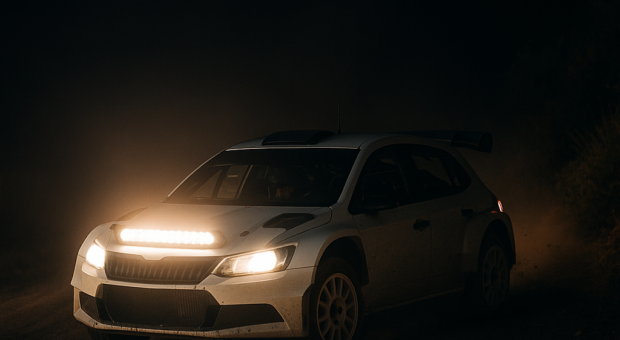
Night Stage Report: Visibility, Risks, and Time Gaps in Rally Racing
What Happened During the Night Stages
The recent night stages of the rally threw a unique challenge at drivers and teams, drastically affecting visibility and overall performance. As darkness fell, competitors faced treacherous gravel roads under limited lighting, testing their night rally car setup and driver skill to the limit.
Several key WRC rally stages shifted momentum in the championship as time gaps widened unpredictably. Drivers who excelled in night conditions surged ahead, while others struggled with the unfamiliar low-visibility environment, altering the leaderboard significantly.
Key Moments Impacted by Night Rally Conditions
Visibility Issues and Their Effects on Stage Times
- Reduced visibility caused multiple cautious approaches on fast gravel sections.
- Spotlights and auxiliary lighting systems were pushed to their maximum, but shadows and blind corners remained a critical hazard.
- Some drivers reported difficulty reading pace notes accurately due to limited sight distance.
Notable Time Gaps and Stage Winners
- Stage 12’s 22-kilometer stretch saw the largest time gap of the rally, with the leader gaining 15 seconds due to superior night driving technique.
- Unexpectedly, a mid-pack driver with a rally suspension setup optimized for rough terrain gained over 10 seconds on rivals struggling with wheelspin.
- Mechanical reliability was tested; one leading car dropped time after a broken light bar forced a slower pace.
Technical and Strategic Impact on Rally Car Setup
Optimizing Rally Car Setup for Night Stages
Adjustments to rally car setup proved vital for night success:
- Suspension tuning shifted to absorb uneven gravel bumps, minimizing driver fatigue and preserving car stability.
- Teams fine-tuned lighting rigs, balancing brightness with battery consumption to ensure consistent illumination throughout the stage.
- Tire choices leaned towards compounds offering enhanced grip on loose surfaces encountered under cooler nighttime temperatures.
Rally Team Strategy Adjustments
Rally teams adapted their strategy by:
- Prioritizing conservative driving lines to reduce the risk of crashes in poor visibility.
- Modifying pace notes to highlight nighttime hazards, including dips and off-camber corners less visible in darkness.
- Scheduling service intervals focused on checking and replacing lighting equipment and ensuring rally car reliability.
Driver and Team Reactions to Night Challenges
Quotes From Leading Drivers
- “Night stages require a different mindset; your senses sharpen but the margin for error tightens,” said a top driver who gained time during the stage.
- Another competitor noted, “We struggled with rally suspension settings that felt great in daylight but became unpredictable at night.”
Team Insights
- Engineers highlighted the importance of rally regulations compliance when upgrading lighting systems, ensuring no penalties arise.
- Mechanics confirmed that pre-stage checks on wiring and light mounts were crucial for avoiding time loss due to equipment failure.
What Rally Fans and Competitors Should Watch Next
The night stages have reshaped the rally championship update, emphasizing the need for versatile rally car setups and adaptive driver skill. Fans can anticipate:
- Further shifts in time gaps as teams refine their night stage strategies.
- Potential surprises from underdog drivers excelling in low-light conditions.
- Continued innovation in rally suspension and lighting technology as competitors seek advantages.
Upcoming stages will test whether the current leaders can maintain their edge or if challengers will exploit night stage weaknesses to close the gap.
Rally enthusiasts should closely follow team tactics and car reliability reports, as these factors now play an even more critical role in the evolving motorsport news landscape.
Looking for more in-depth information? You can also read one of our full guides here: The best rally cars for beginner drivers.
Read the previous review: Breaking: top driver forced to retire after technical failure