Stage Analysis: How Road Position Affected Performance Today in WRC Rally Stages
What Happened on Today’s Gravel Rally Stages?
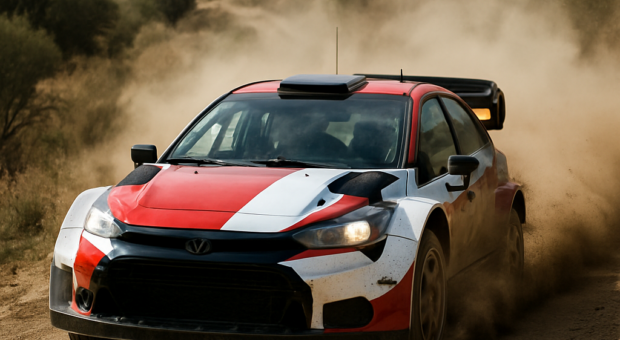
Today’s gravel rally stages delivered a compelling showcase of how road position can dramatically influence driver performance and overall team results. The opening stages, featuring loose gravel and varying terrain grip levels, tested the adaptability of rally car setup and exposed the critical importance of starting order.
Early runners, tasked with “sweeping” loose gravel from the racing line, found themselves at a disadvantage, losing precious seconds to competitors who tackled cleaner, faster lines later in the stage. This dynamic played a central role in shaking up the leaderboard and highlighted the strategic challenges teams face under current rally regulations.
Key Moments Highlighting the Impact of Road Position
First Car on the Road Struggles to Gain Traction
- As the first car of the day, reigning champion Ott Tänak lost over 15 seconds on Stage 3 due to heavy gravel accumulation on the road.
- The loose surface sapped traction, forcing a cautious approach that compromised his usual aggressive driving style.
- Tänak’s rally suspension setup, optimized for later-stage grip, struggled to adapt on the fly to the loose gravel conditions.
Mid-Field Starters Capitalize on Cleaner Lines
- Thierry Neuville, starting 7th, exploited his favorable road position to clock the fastest time on Stage 4.
- His Hyundai i20 WRC’s gravel setup, featuring a softer suspension and higher ride height, allowed better control over unpredictable terrain.
- This stage win propelled Neuville up three places in the overall standings, emphasizing the advantage of starting mid-pack.
Top Teams Adjust Strategy for Road Position Constraints
- Toyota Gazoo Racing shifted tactics by adjusting their rally car setup for better initial grip, sacrificing some top-end speed.
- Kalle Rovanperä’s team opted for a slightly stiffer suspension to maintain stability on the swept lines, aiding him in minimizing time loss despite a road position disadvantage.
- This strategic call helped Rovanperä limit damage and remain in contention for the podium.
Technical and Strategic Impacts of Road Position in Rally Car Performance
Gravel vs Tarmac Setup Considerations
The contrast between gravel and tarmac setups is amplified by road position effects. On gravel:
- Drivers starting early must contend with loose stones and dust, demanding a rally car suspension setup focused on absorption and grip.
- Teams often opt for increased ride height and softer damping to maintain traction.
On tarmac, where road cleaning is less impactful, teams prioritize elasticity and aerodynamic balance.
Rally Team Strategy Under Rally Regulations
- Current WRC rally regulations fix starting orders based on championship standings or previous day results, influencing road position dynamics.
- Teams must balance rally car reliability and speed with the expected road conditions their drivers will face.
- Some crews deliberately drop time in earlier stages to secure a more favorable road position in subsequent legs, a controversial but tactical move.
The Role of Rally Car Reliability and Setup
- Aggressive setups that maximize speed can compromise reliability on abrasive gravel.
- Teams that manage a balanced rally suspension setup, favoring durability and adaptability, often see better consistency across stages.
- Today’s stages reinforced the value of reliability in tandem with strategic road position management.
Driver and Team Reactions to Road Position Challenges
Ott Tänak: “Road Position Cost Us Time”
Tänak acknowledged the uphill battle of cleaning the road early on but praised his team’s quick setup adjustments that improved grip on later stages.
Thierry Neuville: “Starting Mid-Pack Gave Me a Clear Advantage”
Neuville’s post-stage interview highlighted how the combination of road position and precise gravel suspension tuning allowed him to push harder and gain critical seconds.
Kalle Rovanperä: “We Adapted Our Setup Smartly”
Rovanperä commended Toyota’s strategic decision to tweak suspension settings, which helped him stay competitive despite the initial disadvantage of running early on the road.
What Rally Fans and Competitors Should Watch Next
Tomorrow’s stages promise a further evolution in how road position will influence rally outcomes. Key points to monitor include:
- Whether teams continue to adjust rally car setups dynamically based on yesterday’s road cleaning effects.
- How drivers with mid-pack starting positions capitalize on cleaner stages to close gaps.
- Potential shifts in rally team strategy as crews weigh the trade-off between stage times and starting order for the following legs.
Understanding these nuances provides an edge for rally enthusiasts tracking the championship battle and offers aspiring teams insights into managing rally car setup amid variable road conditions.
Stay tuned for the next stage analysis as the battle for optimal road position and rally car performance intensifies in this gripping motorsport news update.
Looking for more in-depth information? You can also read one of our full guides here: Warning signs that your engine, transmission, or suspension is near failure.
Read the previous review: Rally strategy update: tyre choices that changed the leaderboard