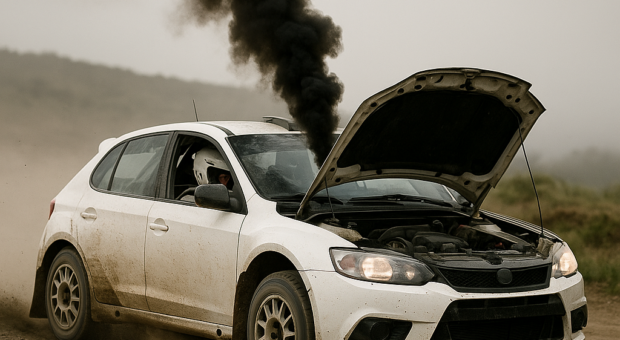
Warning Signs Your Rally Car’s Engine, Transmission, and Suspension Are On the Brink of Failure
Rally racing pushes vehicles to their absolute limits, demanding peak performance across grueling stages and ever-changing terrain. For rally teams and drivers, understanding early warning signs of mechanical failure—especially in critical components like the engine, transmission, and suspension—is vital to maintaining rally car reliability and avoiding costly retirements. This guide dives into the technical red flags and strategic considerations that can help competitors detect and respond to impending failures during WRC rally stages or regional competitions.
Overview: Why Mechanical Vigilance Matters in Rally Racing
Rally cars endure extreme stress from rapid acceleration, high-speed cornering, jumps, and varied surfaces such as gravel, tarmac, or snow. Unlike circuit racing, rally stages are unpredictable, with rough terrain and long distances often exposing weak points in car setup and durability.
- Engine failures can abruptly end a rally or severely reduce power output.
- Transmission issues may cause loss of drive or erratic gear changes.
- Suspension breakdown compromises handling and driver confidence on demanding stages.
Identifying warning signs early allows teams to adjust rally team strategy or prioritize repairs between stages, maximizing performance and championship points.
Key Technical Points: Warning Signs in Engine, Transmission, and Rally Suspension
Engine Warning Signs: Detecting Trouble Before It’s Too Late
The rally engine is a finely tuned powerhouse, often running at high RPMs for extended periods. Watch for these symptoms:
- Unusual noises: Knocking, pinging, or rattling sounds can indicate detonation, bearing wear, or valve issues.
- Power loss: Noticeable drops in acceleration or top speed on straight sections signal combustion or fuel delivery problems.
- Overheating: Rapid temperature spikes or coolant leaks during stages suggest cooling system failure or head gasket issues.
- Excessive smoke: Blue or black exhaust smoke points to oil burning or fuel mixture problems.
For example, during a gravel WRC rally stage, a driver reporting intermittent power surges paired with engine knocking often means early piston or turbocharger damage.
Transmission Warning Signs: Maintaining Driveability on All Surfaces
Rally transmissions endure brutal shifts and torque loads, especially in technical sections with frequent gear changes.
- Grinding gears: Difficulty engaging gears or audible grinding hints at clutch wear or damaged synchronizers.
- Delayed or slipping shifts: Hesitation or sudden loss of drive during downshifts can indicate worn clutch plates or faulty gear selectors.
- Unusual vibrations: Excessive vibrations through the shifter or drivetrain may arise from imbalanced components or failing gearboxes.
- Fluid leaks or contamination: Transmission fluid leaks or metal particles in oil samples are early mechanical failure indicators.
A real-world example from a tarmac stage shows a rally driver experiencing gear slip in tight corners, forcing conservative driving and lost seconds.
Rally Suspension Warning Signs: Keeping Control on Rough Terrain
Suspension setups differ between gravel vs tarmac stages but must always absorb impacts and maintain tire contact.
- Excessive body roll or instability: Worn bushings or broken dampers reduce chassis control.
- Unusual noises: Clunking or knocking sounds over rough surfaces usually mean loose or damaged suspension components.
- Uneven tire wear: Premature or patchy wear patterns suggest misalignment or damaged suspension arms.
- Reduced damping: Bump stops contacting harshly or bottoming out indicates failed shock absorbers or springs.
During a fast gravel stage, drivers feeling unpredictable handling or loss of traction should suspect suspension damage, which can compromise stage times or trigger accidents.
Stage Conditions and Their Impact on Mechanical Stress
Each rally stage type amplifies different mechanical risks:
- Gravel rally stages produce high suspension loads and increased risks of transmission shocks due to rough surfaces and jumps.
- Tarmac stages demand precise gear changes and engine cooling during hard braking and high-speed cornering.
- Snow or ice stages challenge drivetrain traction and increase clutch slippage under low grip conditions.
Teams must tailor rally car setup accordingly, balancing performance and reliability while monitoring component wear between stages.
Strategy Insights: Using Warning Signs to Inform Rally Team Decisions
Detecting mechanical issues early feeds directly into rally team strategy:
- Pace management: Drivers may need to reduce aggression to preserve failing components and finish stages.
- Service park interventions: Prioritizing repairs or part replacements during tight service windows boosts rally car reliability.
- Setup adjustments: Softer suspension settings or revised gear ratios can alleviate stress on damaged parts.
- Communication: Clear feedback between driver and co-driver about unusual sensations or sounds helps the team react faster.
For instance, during a WRC championship update, a leading team slowed pace after noticing transmission slip, opting for cautious driving until service, ultimately securing vital points.
Common Mistakes That Accelerate Mechanical Failures in Rally Cars
- Ignoring early symptoms: Dismissing minor noises or handling changes often leads to catastrophic breakdowns.
- Overly aggressive setup: Excessively stiff suspension or aggressive engine tuning may compromise durability.
- Inadequate component checks: Skipping thorough inspections during pre-event preparations increases risk.
- Neglecting fluid maintenance: Poor oil or coolant quality accelerates wear on engines and transmissions.
Teams that integrate comprehensive mechanical diagnostics and respect rally regulations on servicing gain a competitive edge in reliability.
Understanding and responding to warning signs in your rally car’s engine, transmission, and suspension can make the difference between finishing strong or facing forced retirement. Rally fans and competitors alike benefit from this knowledge, enhancing appreciation for the technical challenges and strategic depth behind every stage. Keeping a vigilant eye on mechanical health ensures that each rally car can tackle the toughest WRC rally stages and championship battles with confidence.
See also our previous article: Step-by-step guide to importing a rally car from another country