Maintenance Cost Comparison in Rally: Factory Teams vs Private Teams Explored
Rally racing is one of the most demanding motorsports disciplines, where team budgets and maintenance strategies can heavily influence performance outcomes. Understanding the difference in maintenance costs between factory teams and private teams sheds light on how resources impact rally car reliability, setup precision, and overall rally team strategy. This article dives deep into the financial and technical aspects of maintaining rally cars, with a focus on real rally scenarios, WRC rally stages, and rally regulations.
Overview: Factory Teams vs Private Teams in Rally Maintenance
Factory teams, backed by major manufacturers, enjoy substantial budgets that allow them to invest in cutting-edge technology, extensive spare parts inventories, and specialized personnel. Private teams, often self-funded or sponsored by smaller partners, operate with tighter budgets and must prioritize cost-efficient solutions.
- Factory Teams: Large budgets, advanced diagnostics, OEM parts, dedicated engineers
- Private Teams: Limited funds, used or refurbished parts, multi-role crew members
This fundamental budget gap leads to distinct differences in how rally cars are maintained, prepared for each stage, and managed throughout a rally championship.
Key Technical Points Affecting Rally Maintenance Costs
Rally Car Setup and Spare Parts Inventory
Factory teams maintain a comprehensive inventory of spare parts, including multiple sets of engines, gearboxes, rally suspension components, and bodywork pieces. This allows rapid replacement after crashes or mechanical failures during WRC rally stages.
Private teams often carry minimal spares due to cost constraints, increasing the risk of extended repairs and potential retirement from events after damage.
- Factory teams: 3+ engines per season, full gearbox rebuild kits, bespoke rally suspension tuning
- Private teams: 1-2 engines, limited gearbox parts, standard suspension setups
Rally Suspension: Gravel vs Tarmac Setup Costs
Switching between gravel and tarmac rally stages requires adjustments in suspension travel, damping rates, and ride height. Factory teams can afford to develop multiple rally suspension setups optimized for specific stage conditions, reducing wear and improving reliability.
Private teams usually settle for a compromise setup due to budget limits, potentially accelerating component fatigue and increasing maintenance frequency.
Engine and Transmission Overhauls
Factory teams follow strict rally regulations but maximize engine performance with frequent dyno testing and pre-emptive rebuilds scheduled around rally calendars. This proactive approach protects rally car reliability and minimizes unexpected breakdowns.
Private teams may delay overhauls to save costs, risking performance drops or mechanical failures mid-event.
Stage Conditions and Their Impact on Maintenance Budgets
Gravel vs Tarmac Rally Stages
Gravel stages impose higher stress on suspension arms, undercarriage protection, and wheel bearings due to rough, uneven terrain. Factory teams reinforce components with advanced materials and conduct detailed inspections after each stage.
Tarmac stages, while smoother, demand precise rally car setup for grip and braking efficiency, pushing brake pads and tires to their limits. Factory teams replace consumables aggressively; private teams often stretch component life cycles.
Weather and Environmental Effects
Rain, mud, and dust present additional challenges. Factory teams employ specialized seals and filters to protect engines and electronics, increasing parts and labor costs. Private teams face higher risk of component degradation, especially in remote rally locations.
Strategy Insights: How Maintenance Cost Influences Rally Team Decisions
Balancing Performance and Reliability
Factory teams can afford to push the limits of rally car setup, knowing that maintenance resources are available to repair or replace parts quickly. This allows aggressive rally team strategy focused on winning stages.
Private teams often adopt a conservative approach, prioritizing rally car reliability over outright speed to maximize finishing rates and championship points.
Service Park Efficiency
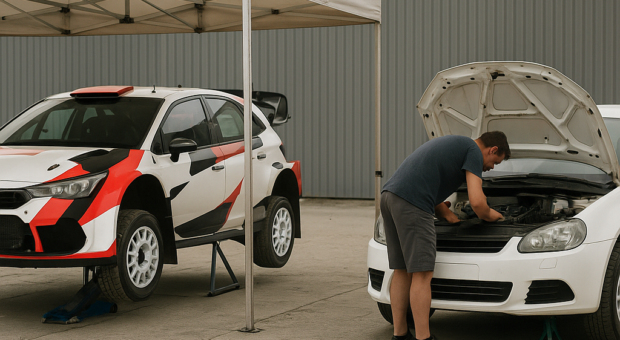
Factory teams utilize large service crews for rapid repairs and routine checks during tight service intervals between stages. This efficiency demands investment in tools, training, and logistics.
Private teams usually operate with smaller crews, increasing turnaround times and sometimes forcing compromises in maintenance thoroughness.
Common Mistakes in Rally Car Maintenance That Increase Costs
- Underestimating Wear on Consumables: Delaying brake pad or tire replacements can lead to more extensive damage.
- Ignoring Rally Regulations: Non-compliance with rally regulations on parts usage may result in penalties or forced repairs.
- Inadequate Pre-Event Inspections: Overlooking small faults before rally stages often escalates into costly failures.
- Improper Rally Suspension Setup: Using incorrect gravel vs tarmac setups accelerates component wear.
- Poor Spare Parts Management: Running out of critical spares forces expensive last-minute purchases or rally retirements.
Real-World Example: Cost Impact During a WRC Rally
At a recent WRC event with mixed gravel and tarmac stages, a factory team reported spending over €500,000 on maintenance across the rally season, including multiple engine rebuilds, suspension swaps, and bodywork repairs after crashes.
In contrast, a competitive private team estimated annual maintenance costs around €100,000, relying heavily on reused parts and simplified setups. This gap directly influenced their ability to compete aggressively on demanding WRC rally stages.
For rally fans and competitors, understanding these maintenance cost dynamics offers valuable insight into the behind-the-scenes challenges teams face. Whether cheering for a factory powerhouse or rooting for a resilient privateer, appreciating the technical and financial balancing acts enriches the rally experience and highlights the true grit required to succeed on the world’s toughest rally stages.
See also our previous article: Pre-Rally Checklist: Essential Brake, Drivetrain, Tyres, and Safety Equipment for Competitive Rallying