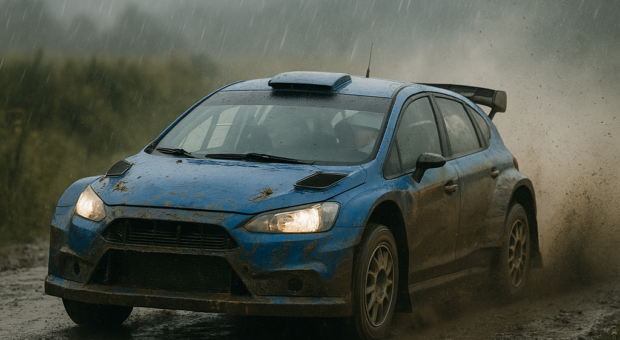
How Extreme Weather Affects Rally Car Reliability in WRC Rally Stages
Extreme weather conditions play a critical role in shaping the outcome of rally events, influencing everything from rally car setup to team strategy and driver performance. For rally teams competing in the World Rally Championship (WRC) or national rally championships, understanding how severe weather impacts rally car reliability is essential to mastering the unpredictable challenges of rally stages.
This in-depth guide explores how weather extremes—such as heavy rain, snow, mud, and intense heat—affect rally cars’ mechanical integrity and performance. We analyze common technical vulnerabilities, stage-specific conditions, and strategic adaptations that rally teams use to maintain competitiveness under harsh environments.
Overview: The Impact of Extreme Weather on Rally Car Reliability
Rally cars are built to withstand diverse terrains, but extreme weather conditions often push these machines beyond normal limits. Heavy rainfall and mud increase the risk of water ingress and component corrosion, while snow and ice challenge traction and suspension durability. Conversely, extreme heat can cause overheating issues, tire degradation, and fluid breakdown.
These factors influence:
- Engine performance and cooling efficiency
- Suspension and drivetrain wear
- Brake system effectiveness
- Electrical system reliability
Understanding how these elements interact with weather allows rally teams to tailor their rally car setup and strategy for optimal reliability and speed.
Key Technical Points: Rally Car Setup for Extreme Weather Conditions
Rally Suspension and Chassis Durability
In wet or snowy WRC rally stages, the suspension system faces added stress from slippery surfaces and uneven terrain. Teams often adjust suspension settings to softer spring rates and increased travel to absorb shocks from wet gravel or icy ruts without damaging components.
- Softer suspension reduces the risk of broken control arms or shock absorbers.
- Reinforced skid plates protect the undercarriage from hidden obstacles beneath mud or snowbanks.
- Anti-corrosion coatings on suspension parts help mitigate rust from prolonged exposure to water.
Engine Cooling and Intake Protection
Heavy rain or snow can cause water ingestion through the air intake, risking hydrolock and engine damage.
- Rally teams install snorkels or raised air intakes to reduce water intake during river crossings or deep puddles.
- Radiators and intercoolers are fitted with protective grills or mesh to prevent mud buildup that impairs cooling.
- Cooling system fluids are monitored closely, as extreme heat combined with dust can clog radiators, leading to overheating.
Brake and Tire Adaptations
Wet and icy conditions compromise braking performance. Teams adjust brake pad compounds to maintain grip and reduce fade in cold, wet stages.
- Brake cooling ducts may be partially blocked in cold weather to maintain optimal operating temperatures.
- Tire choice shifts dramatically—gravel vs tarmac setups, studded snow tires, or soft compound wets—to maximize traction.
- Tire pressures are adjusted lower in muddy conditions to increase contact patch and grip.
Stage Conditions: Real-World Examples from WRC Rally Stages
Heavy Rain in Rally Finland
During rainy Rally Finland stages, deep puddles and muddy ruts test rally car reliability. In 2021, several teams reported water ingress causing electrical shorts and engine stalls. Teams employed waterproofing measures around critical wiring harnesses and used sealed connectors per rally regulations to minimize failures.
Snow and Ice in Rally Sweden
Rally Sweden’s icy roads demand studded tires and carefully tuned suspension setups. Temperature swings between -5°C and -15°C impact brake efficiency and tire wear. Teams often use heated brake discs and specialized lubricants that remain viscous in subzero temperatures to maintain system reliability.
Extreme Heat in Safari Rally Kenya
The 2022 Safari Rally saw temperatures exceeding 35°C on rough gravel roads. Engine overheating became a major concern, forcing teams to increase radiator capacity and optimize airflow. Dust ingestion was another issue, leading to frequent air filter changes during service breaks to prevent power loss.
Strategy Insights: Rally Team Strategy for Weather-Driven Reliability
Adapting rally team strategy to extreme weather is as vital as mechanical preparation. Teams focus on:
- Service Intervals: Shortening service intervals in muddy or dusty conditions to replace worn components and fluids.
- Pace Notes Adaptation: Drivers and co-drivers modify pace notes to account for reduced grip or visibility caused by weather.
- Tire Management: Selecting tire compounds and pressures tailored to forecasted conditions, balancing durability and performance.
- Driver Caution vs Aggression: Teams advise drivers on risk management, choosing when to push hard or conserve the car to avoid damage.
For example, at the 2023 Monte Carlo Rally, several leading teams adopted conservative strategies during unexpected snowstorms, prioritizing rally car reliability over outright speed, which paid dividends in later stages.
Common Mistakes: Pitfalls That Compromise Rally Car Reliability in Extreme Weather
Even experienced teams can fall prey to common errors under extreme weather conditions:
- Underestimating Water Damage Risks: Failing to waterproof electrical systems or reinforce air intakes can cause sudden engine failure.
- Inappropriate Tire Choices: Using incorrect tire compounds or pressures leads to excessive wear or loss of control.
- Neglecting Suspension Wear: Ignoring the need for softer setups in muddy or icy conditions increases the likelihood of suspension failure.
- Overheating Due to Dust and Heat: Insufficient cooling adaptations on hot gravel stages can cause engine seizures or turbo failures.
Avoiding these mistakes requires meticulous preparation and real-time weather monitoring aligned with rally regulations that govern vehicle modifications.
For rally fans and competitors alike, mastering the interplay between extreme weather and rally car reliability offers a fascinating glimpse into the technical and strategic depth of rallying. As rally seasons progress through diverse climates and terrains, teams that effectively adapt their rally car setups and strategies to these harsh conditions often find themselves ahead in the rally championship standings. Staying informed on technical developments and weather impacts remains key to enjoying and succeeding in the ever-challenging world of rally motorsport.
See also our previous article: How to Spot Accident Damage When Inspecting a Used Rally Car: A Complete Buyer’s Guide