How to Spot Accident Repairs on a Rally Car: A Technical Guide for Rally Fans and Teams
Overview: Why Detecting Accident Repairs Matters in Rally Motorsport
Rally cars face extreme challenges across diverse terrains and stages, from gravel mountain paths to tight tarmac roads. The aggressive driving style and unpredictable conditions often lead to incidents requiring repairs, sometimes done hastily between stages or service intervals. For rally fans, teams, and technical inspectors, being able to identify signs of accident repairs is crucial. It can reveal how a team manages vehicle reliability, adheres to rally regulations, or adapts their rally car setup after damage.
Recognizing these repairs also offers insights into rally team strategy and how accident management influences performance during WRC rally stages or national championship events. This guide breaks down the key technical points, typical stage conditions that cause damage, strategic considerations, and common mistakes in spotting repairs on rally cars.
Key Technical Points: Identifying Signs of Accident Repairs on Rally Cars
Exterior Bodywork and Panel Fitment
Damaged panels are often the first giveaway:
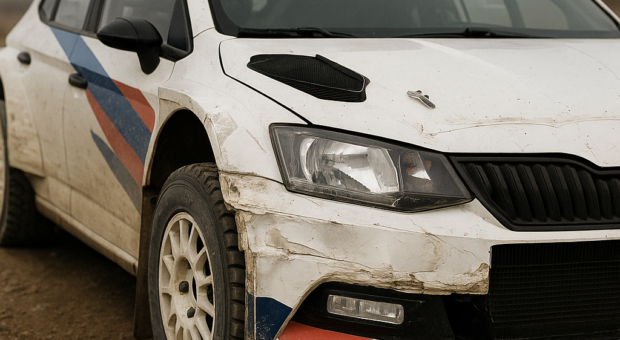
- Misaligned body panels: Doors, fenders, or bonnet panels may not sit flush, showing uneven gaps or overlaps.
- Paint inconsistencies: Fresh paint patches or mismatched colors can indicate repainting after damage.
- Non-factory fasteners: Use of zip ties, pop rivets, or visible weld marks often replaces original bolts or clips during quick repairs.
Suspension and Wheel Assembly
Rally suspension endures heavy strain, making it a common damage point:
- Bent control arms or trailing arms: Subtle bends can be spotted by comparing the suspension geometry against factory specs or the opposite side.
- Damaged wheel hubs or studs: Cracks or uneven wheel fitment can indicate past impacts.
- Unusual suspension settings: An overly stiff or soft setup might cover damage or compensate for bent components.
Chassis and Undercarriage Inspection
The chassis rail and underbody are vulnerable during jumps or off-track excursions:
- Dents or creases in chassis rails: Visible on the underside, indicating impact with rocks or barriers.
- Weld repairs: Look for non-uniform weld beads or fresh grinding marks.
- Skid plate condition: Missing or replaced skid plates may signal prior protection damage.
Interior and Safety Equipment Checks
Safety compliance is mandatory under rally regulations, so repairs inside the cockpit must meet strict standards:
- Roll cage integrity: Cracks or welds on the roll cage tubing can suggest post-accident reinforcement.
- Seat mounts and harnesses: Misaligned seat brackets or non-standard harness attachments might be signs of a crash.
- Dashboard and electronics: Loose or replaced panels may point to repair work after a stage incident.
Stage Conditions That Trigger Rally Car Damage
Gravel vs Tarmac Setups and Their Impact on Vehicle Reliability
- Gravel stages: Loose surfaces increase the risk of sliding off-line and hitting rocks or ditches. Suspension arms and underbody are most at risk.
- Tarmac stages: High-speed impacts against barriers or guardrails lead to body panel damage and sometimes chassis deformation.
- Mixed surface rallies: Constant setup changes make it harder to detect repairs quickly, as teams adjust suspension travel or ride height between stages.
Harsh Weather and Terrain Effects
- Mud, snow, and water crossings add stress to mechanical components and bodywork.
- Wet conditions increase the chance of sliding and off-course incidents, often resulting in bent suspension parts or damaged wheels.
- Rocky or forested stages can cause panel scrapes, dents, and broken lights.
Strategy Insights: How Rally Teams Manage Repairs Within Rally Regulations
Time Constraints and Service Park Limitations
- Rally teams have limited minutes during service intervals to repair damage, often prioritizing reliability over aesthetics.
- Quick fixes like zip ties or duct tape may be used to keep parts functional.
- Major chassis repairs generally require withdrawal or must be done under rally regulations specifying repair methods and inspection.
Balancing Performance and Reliability After Repairs
- Some teams adjust their rally car setup after repairs to compensate for damaged components. For example:
– Softer suspension settings to reduce stress on a compromised arm.
– Altered camber or toe angles to correct bent control arms.
- Teams must consider how repair-induced changes affect stage times and tire wear.
Compliance with Rally Regulations on Repairs
- FIA rally regulations require that repairs do not compromise safety equipment or structural integrity.
- Post-accident repairs are subject to scrutineering checks; non-compliant fixes can lead to penalties or disqualification.
- Documentation and transparency during repairs are essential, especially in championship events.
Common Mistakes When Spotting Accident Repairs on Rally Cars
- Assuming all scratches imply repairs: Some surface damage is normal after rough stages and may not indicate structural repairs.
- Overlooking subtle suspension damage: Not all damage is visible; small bends may require measurements or specialist tools.
- Ignoring non-visible damage: Internal components like steering racks or drivetrain parts can be compromised but remain hidden.
- Confusing setup changes with repairs: Suspension adjustments and body modifications for specific stages are normal and should not be mistaken for damage fixes.
Practical Tips for Rally Fans and Team Members to Detect Repairs
- Compare both sides of the car for symmetry in panels and suspension angles.
- Look for inconsistencies in paint finish or hardware types.
- Monitor changes in car behavior during stages, such as unusual handling or noises.
- Follow team service updates and rally championship news for official repair disclosures.
By understanding how to spot accident repairs on rally cars, enthusiasts gain a deeper appreciation for the resilience and adaptability of rally teams. For competitors, mastering repair detection supports smarter race strategies and better vehicle management across the demanding WRC rally stages and beyond.
See also our previous article: Comparison between different generations of the same rally car