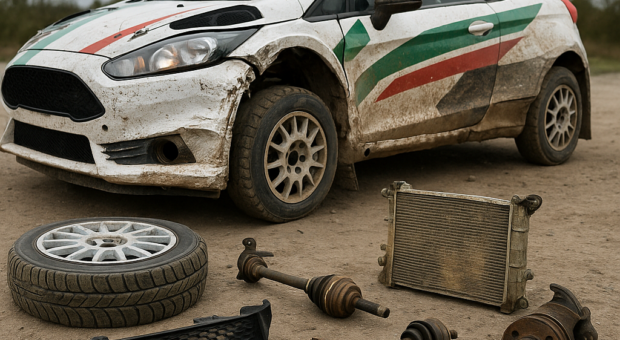
Most Common Rally Car Parts That Fail During a Grueling Rally Season
Rally racing pushes cars to their absolute limits, combining high speeds with extreme terrain and unpredictable weather. Understanding which rally car components are most prone to failure during a rally season is crucial for teams aiming to optimize their setups, improve reliability, and adapt their rally team strategy. This guide breaks down the key technical points behind parts that commonly fail, examines how stage conditions affect component wear, and offers insights into avoiding costly mistakes.
Overview of Rally Car Reliability Challenges
Rally cars undergo immense stress over WRC rally stages that often include gravel, tarmac, snow, and mixed surfaces. Unlike circuit racing, rallying subjects vehicles to rapid elevation changes, jumps, and constant directional shifts, increasing the risk of component failure. Reliability isn’t just about finishing a stage; it’s about preserving performance over the entire rally championship update period.
Typical rally car failures can derail a driver’s championship hopes, making it essential to identify weak points and reinforce them through meticulous rally car setup adjustments and pre-race maintenance.
Key Technical Points: Parts That Fail Most Often in Rally Cars
Suspension Components Under Constant Assault
The rally suspension system is arguably the most stressed assembly on a rally car. It must absorb impacts from jumps, rocks, and rough terrain while maintaining precise handling.
- Struts and Dampers: Repeated heavy landings cause fatigue and oil leakage in dampers, leading to reduced damping efficiency.
- Control Arms and Ball Joints: These parts suffer from bending and wear due to uneven terrain and lateral forces.
- Bushings and Mounts: Rubber bushings degrade quickly, especially in gravel vs tarmac setups where suspension travel differs dramatically.
Transmission and Drivetrain Vulnerabilities
Rally transmissions experience shock loads from rapid gear changes and torque spikes, especially in tight, twisty WRC rally stages.
- Gearboxes: Synchro wear and gear tooth chipping are common due to aggressive downshifting and clutch slip.
- Differentials: Limited-slip differentials can overheat or lose clamping force under continuous high load.
- Driveshafts and CV Joints: Joints can crack or seize if debris penetrates protective boots, often during muddy or snowy stages.
Engine and Cooling System Stress
Engines in rally cars are pushed to their power limits while operating in dusty or cold conditions.
- Turbochargers: Overboost or debris ingestion can cause turbine damage.
- Cooling Radiators: Clogged or damaged radiators from mud and gravel reduce cooling efficiency, risking overheating.
- Fuel Systems: Contamination or pressure drops during jumps can cause fuel delivery issues.
Brake System Wear and Failures
Braking on mixed surfaces requires robust components, but rally brakes are prone to:
- Pad and Disc Wear: Gravel stages accelerate pad abrasion; tarmac stages generate extreme heat causing disc warping.
- Brake Lines: Vibrations and impacts can cause leaks or ruptures.
- Master Cylinders: Sudden pressure changes during stage restarts can lead to seal failures.
Stage Conditions and Their Impact on Rally Car Parts
Gravel vs Tarmac Rally Stages
- Gravel stages batter suspension parts with constant impacts and debris.
- Tarmac stages demand high brake performance and precise suspension tuning.
- Mixed surface rallies require versatile setups, increasing wear on adjustable components like sway bars and ride height mounts.
Weather Influences on Component Durability
- Rain and mud accelerate corrosion and clog cooling systems.
- Dusty conditions infiltrate air filters, turbochargers, and joints.
- Cold temperatures stiffen bushings and lubricants, increasing component stress.
Strategy Insights: Balancing Performance and Reliability
Successful rally team strategy balances aggressive setup choices with component longevity.
- Proactive Maintenance: Regular inspection and replacement of high-failure parts such as suspension bushes and brake pads before each event.
- Stage-by-Stage Setup Adjustments: Tailoring rally car setups to stage surfaces helps minimize unnecessary wear.
- Driving Style Coordination: Drivers adapting their driving to preserve tires and brakes can reduce component stress.
Common Mistakes Leading to Rally Car Part Failures
- Ignoring Subtle Damage: Small cracks in control arms or worn suspension bushes often go unnoticed until catastrophic failure.
- Overly Aggressive Setup: Excessively stiff suspensions might improve handling but increase the risk of broken parts on rough stages.
- Inadequate Cooling Measures: Underestimating radiator protection in dusty or muddy conditions often leads to overheating.
- Poor Debris Protection: Skimping on underbody guards or mud flaps allows stones and dirt to damage drivetrain components.
Rally enthusiasts and competitors alike can appreciate the intricate dance between pushing the limits and preserving the rally car’s vital components. Understanding which parts fail most often and why helps teams craft smarter rally setups and strategies — ensuring not only speed but the reliability needed to conquer every stage. Whether you’re tuning your own car or following the next rally championship update, keeping these factors in mind will deepen your appreciation of this demanding motorsport.
See also our previous article: Hybrid vs petrol rally cars: strategy, performance, and reliability