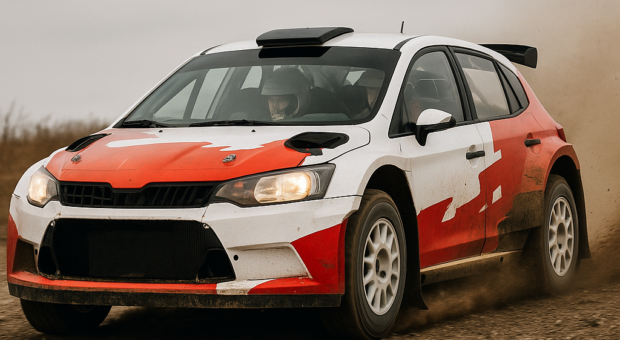
Step-by-Step Guide to Importing a Rally Car from Another Country
Importing a rally car from abroad can be a game-changer for drivers or teams looking to access rare models, competitive machinery, or specific rally setups not available locally. However, this process involves careful navigation of technical, legal, and logistical hurdles to ensure the car arrives race-ready and compliant with rally regulations. This guide breaks down the key steps, technical points, and strategic considerations for importing a rally car efficiently and legally.
Overview: Why Import a Rally Car?
Sourcing a rally car internationally broadens your choices beyond local dealerships or auctions. Enthusiasts and professionals often seek:
- Specialized rally car setups like gravel vs tarmac tuning unavailable domestically.
- Proven competitive models from established rally championships.
- Cars with known rally car reliability and performance history.
Yet, the import process requires understanding regulations, taxes, and technical standards in both the exporting and importing countries.
Key Technical Points When Importing a Rally Car
Understanding Rally Car Setup Variants
Rally cars are often optimized for specific stage conditions:
- Gravel vs Tarmac Setup: Suspension travel, damping rates, and tyre choices differ significantly. Imported cars may need adjustments to suit local rally stages.
- Suspension Tuning: Check if the imported car’s rally suspension complies with your rally series’ technical regulations. Some countries require homologation papers or specific parts certification.
- Engine and ECU Specifications: Ensure the engine management system is compatible with local fuel types and emission standards without violating rally regulations.
Checking Rally Regulations Compliance Before Import
Each rally championship enforces strict vehicle eligibility:
- Verify if the car meets the FIA or national rally regulations for your intended competition class (e.g., Group R5, WRC2, or Historic).
- Confirm if modifications made abroad (roll cages, safety equipment) are approved by your local motorsport authority.
- Obtain a technical passport or homologation documents from the exporting country to streamline inspection upon arrival.
Stage Conditions and Their Impact on Imported Rally Cars
Matching Imported Rally Cars to Local Rally Stages
Imported cars optimized for specific rally stages may require setup changes:
- WRC Rally Stages in Scandinavia vs Mediterranean: Snow and ice require studded tyres and special suspension; Mediterranean gravel stages demand different damping and cooling setups.
- Altitude and Climate Effects: Higher altitudes affect engine performance; imported cars might need ECU remapping.
Real-World Example
A team importing a Subaru WRX STI from Japan to compete in European gravel rallies had to:
- Replace the Japanese-spec suspension with European homologated parts.
- Adapt the cooling system for hotter Mediterranean stages.
- Upgrade the brake system to comply with stricter EU rally safety standards.
Strategy Insights: Planning Your Rally Car Import
Step-by-Step Import Process
1. Research and Select the Right Car: Consider rally car reliability, availability of parts, and suitability for your rally category.
2. Verify Documentation: Ensure the seller provides technical sheets, homologation certificates, and service history.
3. Customs and Shipping: Choose a specialized motorsport logistics company familiar with rally car transport.
4. Pay Import Duties and Taxes: Be prepared for VAT, customs fees, and possible homologation inspection costs.
5. Local Compliance: Register the car with your national motorsport authority and pass technical inspections.
6. Rally Setup Optimization: Work with your mechanics to adjust suspension, engine mapping, and safety equipment based on local rally regulations and stage conditions.
Rally Team Strategy for Imported Cars
- Plan test sessions early to identify setup needs for local rally conditions.
- Stock up on spare parts that may be rare or expensive to source internationally.
- Network with local rally teams or workshops experienced in your imported car model.
Common Mistakes to Avoid When Importing Rally Cars
- Ignoring Rally Regulations: Importing a car that doesn’t meet local safety or technical standards wastes time and money.
- Overlooking Shipping Logistics: Rally cars require careful handling to avoid damage to suspension or electronics.
- Neglecting Spare Parts Availability: Imported models might have scarce or delayed parts supply, affecting rally reliability.
- Skipping Pre-Import Inspections: Failing to inspect the car thoroughly abroad can result in unexpected repairs or non-compliance.
- Underestimating Costs: Taxes, homologation fees, and setup costs can significantly increase the total investment.
Final Thoughts for Rally Enthusiasts and Competitors
Importing a rally car offers unique opportunities to enhance your competitive edge and experience diverse rally machine technologies. Understanding the interplay between rally car setup, stage conditions, and regulatory compliance is crucial for a smooth import process. As you prepare your imported rally car for the next event, remember that meticulous planning and adherence to rally regulations will help you focus on what matters most: pushing your limits on the stages and enjoying the thrill of motorsport competition.
See also our previous article: How competition mileage affects real rally car wear