How to Spot Accident Repairs on a Rally Car: A Technical Guide for Rally Fans and Teams
Overview: The Importance of Detecting Accident Repairs in Rally Cars
Rally cars endure punishing conditions across diverse terrains, from gravel mountain passes to fast tarmac stages. The high-speed nature of rallying combined with unpredictable surface conditions means accidents and repairs are part of the sport’s reality. For rally fans, teams, and technical inspectors, being able to spot accident repairs on a rally car offers valuable insight into the car’s reliability, team strategy, and potential performance limitations on upcoming WRC rally stages.
Accident repairs are not just cosmetic fixes; they can impact the rally car setup, suspension geometry, and overall chassis integrity. Understanding how to identify these repairs helps in analyzing rally team strategy and predicting how a car might perform under demanding conditions, especially when rally regulations impose strict checks on chassis and safety compliance.
Key Technical Points: Where and How Rally Cars Are Repaired After Crashes
Rally cars are built tough but repairs after incidents are inevitable. Key areas to examine when spotting accident repairs include:
1. Bodywork and Panel Alignment
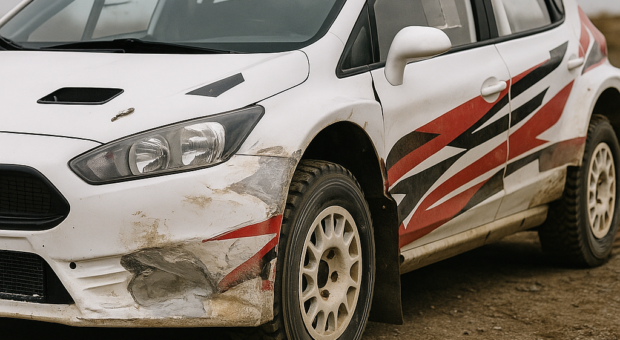
- Panel gaps: Uneven or inconsistent gaps between body panels (doors, fenders, hood) may indicate replaced or repaired parts.
- Paint texture and color mismatches: Slight variations in paint sheen or tone suggest patchwork or repainting after damage.
- Weld marks or rivets: Visible weld seams or aftermarket rivets around wheel arches or chassis rails can reveal structural repairs.
2. Suspension Components
- Uneven suspension arm angles: After an impact, suspension arms or linkages might be bent or replaced, affecting the rally suspension setup.
- Misaligned wheel camber/toe: Rally cars have precise alignment for gravel vs tarmac setup; noticeable misalignment could indicate incomplete repairs.
- Scratches or new weld spots: Fresh welds or replaced suspension mounts are often necessary after crash damage.
3. Chassis and Safety Cage
- Roll cage modifications: New welds or reinforcements on the roll cage visible inside the cockpit point to crash repairs.
- Chassis rails and subframe checks: Bent or patched chassis rails under the car can be indicators of past impacts.
- Crack repairs using filler or fiberglass: Some teams use fillers on minor cracks, which can often be spotted under close inspection.
Stage Conditions and Their Role in Accident Repairs
Different rally surfaces and stage conditions directly influence the frequency and type of accident repairs:
- Gravel stages: Loose gravel can cause unpredictable slides, increasing the risk of side impacts and suspension damage. Repairs often focus on suspension arms and undersides.
- Tarmac stages: Higher speeds on asphalt lead to sharper crashes, typically resulting in chassis deformation and body panel damage.
- Mixed surface rallies: Events like Rallye Monte-Carlo challenge teams to adapt their rally car setup frequently, increasing wear and tear and the likelihood of repairs between stages.
For example, during a fast gravel stage with tight hairpins, a slight miscalculation can lead to a wheel hitting a rock, causing suspension damage that requires urgent repair before the next stage.
Strategy Insights: How Rally Teams Manage Repairs and Reliability
Rally team strategy revolves around balancing speed with reliability. Spotting accident repairs can reveal how teams prioritize between pushing the limits and ensuring rally car reliability:
- Quick patch repairs during service breaks: Teams often perform rapid suspension replacements or bodywork fixes to maintain competitive pace.
- Strategic chassis reinforcements: Reinforcing vulnerable areas after minor accidents helps prevent bigger failures later in the rally.
- Adapted rally car setup post-repair: After repairs, teams may adjust suspension settings or tire choices to compensate for any changes in handling.
Rally regulations enforce strict post-stage checks to ensure repaired cars comply with safety and technical standards. Teams caught with non-compliant repairs risk penalties or exclusion, making transparent and quality repairs a strategic necessity.
Common Mistakes When Identifying Accident Repairs on Rally Cars
- Assuming all panel misalignments indicate crashes: Some slight mismatches can result from normal wear during intense rallying rather than accidents.
- Overlooking subtle weld marks inside the cockpit: Repairs to the roll cage are often hidden but critical for safety and performance.
- Ignoring suspension geometry changes: Even minor misalignments can drastically affect rally car setup and performance on WRC rally stages.
- Confusing cosmetic fixes with structural repairs: A fresh paint job doesn’t always mean the chassis was damaged; conversely, subtle filler patches may hide significant damage.
Practical Example: Spotting Repairs on a Rally Car After a Rocky Gravel Stage
Consider a scenario from a gravel rally stage known for rough terrain and unpredictable rocks:
- The co-driver reports a slight pulling sensation during braking.
- Inspecting the front suspension reveals that the left lower control arm has a slightly different angle compared to the right.
- The front-left fender shows a subtle paint mismatch and a small weld mark near the wheel arch.
- Inside the cockpit, an additional weld reinforcement is visible on the roll cage’s lower bar.
These signs indicate the team likely repaired suspension damage and reinforced the safety cage after an impact with a rock. The team’s rally car setup may now require adjustments to compensate for altered suspension geometry, impacting performance on upcoming fast tarmac stages.
For rally enthusiasts and competitors alike, understanding how to spot accident repairs on rally cars adds a new dimension to watching and analyzing rally events. It reveals the hidden challenges teams face and the resilience required to compete in one of motorsport’s toughest arenas. Whether you’re tracking your favorite driver’s rally championship update or diving into the technical nuances of rally suspension and setup, mastering this knowledge enriches your rally experience.
See also our previous article: Beginner’s guide to choosing your first rally car for local competitions