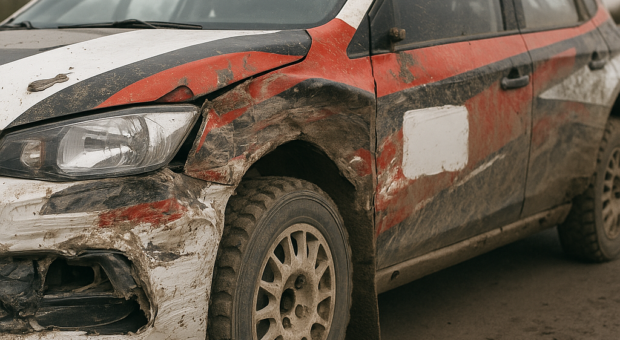
How to Spot Accident Repairs on a Rally Car: A Technical Guide for Rally Fans and Teams
Rally cars endure punishing conditions through stages that test both driver skill and vehicle durability. Accidents and off-road excursions are common, forcing teams to repair cars quickly before the next stage. Learning how to spot accident repairs on rally cars deepens your appreciation for the sport’s technical challenges and highlights the resilience of both drivers and mechanics. This guide breaks down key indicators of repairs, explains rally regulations related to damaged cars, and offers insights into rally team strategies for managing vehicle reliability.
Overview: Why Identifying Accident Repairs Matters in Rally Motorsport
Rally cars are engineered for high speed over gravel, tarmac, snow, and mixed surfaces, but collisions with rocks, trees, or barriers can cause serious damage. Spotting repairs helps fans and competitors:
- Understand the impact of incidents during a rally championship update
- Assess a rally car’s reliability and how teams adapt setups after damage
- Gain insight into rally team strategy decisions about risk versus repair time
Familiarity with common repair signs also connects with broader motorsport news, where vehicle durability shapes championship outcomes.
Key Technical Points: Common Signs of Accident Repairs on Rally Cars
Bodywork and Panel Gaps
The most visible indicators of accident repairs are on the car’s exterior:
- Misaligned panels: Doors, fenders, and bumpers may have uneven gaps or fit loosely after quick repairs.
- Non-factory paint or patchwork: Fresh paint touch-ups or overspray can signal repainting after body damage.
- Temporary fix materials: Use of tape, zip ties, or rivets instead of factory fasteners often indicates field repairs.
For example, during a WRC rally stage, a car that brushes a tree might show a slightly buckled rear fender with visible rivets holding a replacement panel.
Suspension and Wheel Alignment
Rally suspension absorbs extreme impacts but shows wear or damage clues:
- Uneven ride height: If one corner sits higher or lower, suspension arms or springs might be bent or replaced.
- Scratches or dents on rims: Marks on wheels suggest contact with obstacles.
- Unusual tire wear: Uneven wear patterns can result from misaligned suspension after an accident.
Technicians may adjust the rally suspension or swap components during service breaks to restore handling for gravel vs tarmac setup changes.
Undercarriage and Skid Plates
Damage underneath the car is less visible but critical:
- Scratches or dents on skid plates: Indicates contact with rocks or rough terrain.
- Leaks or damage to drivetrain components: Oil or coolant leaks after a crash can be spotted during service inspections.
- Changed fasteners or patch repairs: Replacement bolts or weld marks on the chassis show repair work done under time pressure.
Teams follow strict rally regulations that require cars to pass technical checks, so some repairs must be thorough to ensure safety and compliance.
Stage Conditions and Their Impact on Accident Repairs
Different rally stages influence how and where accident repairs occur:
- Gravel Stages: Loose surfaces and hidden rocks increase risks of suspension and undercarriage damage. Quick repairs often focus on stabilizing suspension and fixing punctured tires.
- Tarmac Stages: Higher speeds raise impact severity on crashes, leading to more visible bodywork damage and alignment issues.
- Mixed Surface Events: Require flexible rally car setup adjustments, so teams might combine repair work with setup changes to optimize performance and reliability.
For instance, in a gravel-heavy WRC rally stage with rough terrain, a driver hitting a rock can cause front suspension damage that mechanics address during a timed service stop, balancing repair speed and setup adjustment.
Strategy Insights: How Rally Teams Manage Repairs During Competition
Rally teams must balance repair quality with time constraints:
- Service Park Prioritization: Teams focus first on safety-critical repairs such as suspension or brake systems, then address cosmetic damage if time allows.
- Use of Spare Parts: Teams carry spare components like arms, dampers, and panels to expedite repairs.
- Strategic Withdrawal or Repair Decisions: If damage is severe, teams might choose to retire or re-enter under Rally2 regulations, prioritizing championship points over stage wins.
Rally team strategy also involves monitoring rally car reliability across stages to predict potential failures and plan preventive maintenance during service breaks.
Common Mistakes When Trying to Identify Rally Car Repairs
Fans and newcomers often misinterpret certain signs:
- Assuming all scratches mean recent accidents: Some surface damage accumulates naturally through rough driving.
- Confusing setup changes with repairs: Altered ride height or wheel alignment can be intentional for gravel vs tarmac setup optimization, not necessarily accident-related.
- Overlooking quick, high-quality repairs: Professional teams often perform seamless repairs that are hard to spot without detailed inspection.
Understanding rally regulations about car repair windows and service times helps contextualize what is feasible between stages.
Rally cars are remarkable machines pushed to their limits in every event. Spotting accident repairs offers a window into the intense battle between man, machine, and nature. For rally fans and competitors alike, recognizing these signs enhances appreciation for the resilience and ingenuity behind every stage performance. Whether watching a WRC rally stage live or following motorsport news updates, knowing how teams manage damage and keep their cars competitive adds a thrilling layer to rally championship narratives.
See also our previous article: Beginner’s guide to choosing your first rally car for local competitions