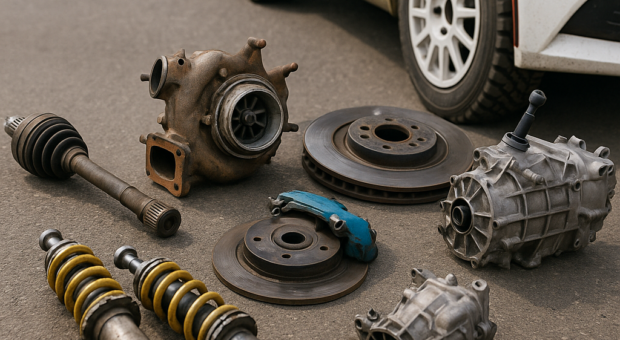
Essential Rally Car Parts Prone to Failure During a Rally Season: Insights for Teams and Drivers
Rally racing pushes vehicles to their limits across diverse terrains, demanding not only driver skill but also impeccable car reliability. Understanding which rally car parts fail most often during a rally season is crucial for teams aiming to optimize performance and avoid costly retirements. This guide breaks down the technical weak points, stage-specific stresses, and strategic considerations that influence rally car reliability.
Overview: Why Rally Car Reliability Matters
Rally cars endure harsh treatment in every stage, from high-speed gravel roads to tight tarmac hairpins. Unlike circuit racing, rally stages expose cars to unpredictable surfaces, jumps, and variable weather. Mechanical failures can abruptly end a competitor’s run, impacting championship standings.
Key factors influencing part durability include:
- Stage conditions (gravel, tarmac, snow)
- Aggressive driving style and car setup
- Compliance with rally regulations limiting modifications
- Team maintenance protocols and pre-stage inspections
Focusing on known failure points helps rally teams balance performance with endurance.
Key Technical Points: Parts Most Susceptible to Failure
Suspension Components and Rally Suspension Stress
Rally suspension is engineered to absorb extreme impacts and maintain grip on uneven surfaces. Despite robust design, certain parts experience frequent failures:
- Control arms and ball joints: Constant flexing and impacts cause metal fatigue, especially on rough gravel stages.
- Shock absorbers: Leaks and loss of damping capability occur after repeated heavy landings from jumps.
- Suspension bushes: Rubber and polyurethane bushes degrade faster due to mud, dust, and repeated torsional loads.
A well-maintained rally suspension setup is essential for consistent stage times and vehicle control.
Transmission and Gearbox Failures in Rally Competition
The transmission handles rapid gear changes under high torque. Common issues include:
- Gearbox overheating: Aggressive downshifting on tarmac sections without proper cooling leads to premature wear.
- Clutch wear: Frequent gear changes and high RPMs cause clutch slippage or failure.
- Differential damage: Gravel stages with tight corners induce excessive differential stress, risking internal breakage.
Teams often monitor oil temperatures and perform mid-event servicing to mitigate these risks.
Engine and Cooling System Vulnerabilities
Engines endure prolonged high revs and variable loads. Failure points include:
- Overheating: Dust and mud clog radiators during forest stages, restricting airflow and causing temperature spikes.
- Turbocharger wear: Repeated boost cycling on mixed surfaces strains turbo components.
- Fuel system blockages: Contaminants from unstable fuel or debris can clog injectors, reducing power.
Regular cleaning and protective mesh screens help maintain engine reliability.
Brake System Durability on WRC Rally Stages
Brakes face intense heat and wear, especially on tarmac-heavy rallies:
- Disc warping: Continuous heavy braking causes rotor distortion, leading to reduced braking efficiency.
- Pad degradation: Aggressive braking and dust ingestion accelerate pad wear.
- Hydraulic leaks: Vibrations and impacts can compromise brake lines or calipers.
Brake system checks between stages are critical to avoid sudden failures.
Stage Conditions: Impact on Rally Car Part Failures
Different rally surfaces impose unique stresses on car components:
- Gravel vs tarmac setup: Gravel demands softer suspension and reinforced underbody protection, while tarmac requires stiffer suspension and more precise braking systems.
- Snow and ice: Cold temperatures affect rubber parts and battery performance, increasing the chance of electrical failures.
- Mixed surface rallies: Rapid setup changes between stages challenge teams to balance durability and speed.
Real-world example: At Rally Finland, the high-speed jumps frequently result in suspension component fatigue, while in Rally Monte Carlo, sharp temperature swings test engine cooling and electrical systems.
Strategy Insights: Managing Reliability Through Rally Team Strategy
Successful rally teams integrate reliability management into their overall strategy:
- Pre-event inspections: Detailed checks focusing on commonly failing parts reduce risk of mid-event breakdowns.
- Stage pacing: Drivers modulate aggression to preserve mechanical sympathy, especially in longer marathon stages.
- Spare parts allocation: Teams balance carrying essential spares (e.g., control arms, brake discs) with weight considerations.
- Service intervals: Efficient service park work optimizes component replacement and adjustments.
Understanding rally regulations regarding weight and parts replacement is vital to avoid penalties while ensuring reliability.
Common Mistakes Leading to Rally Car Part Failures
Even experienced teams can fall into reliability traps:
- Ignoring early warning signs: Strange noises or subtle handling changes often precede major failures.
- Over-aggressive setup: Prioritizing outright speed over component durability can cause repeated breakdowns.
- Inadequate cooling solutions: Especially in dusty or muddy conditions, insufficient radiator protection leads to overheating.
- Poor quality spares or repairs: Using substandard parts or rushed fixes compromises long-term reliability.
Addressing these mistakes with proactive maintenance and realistic rally car setup choices improves chances of finishing strong.
Rally fans and competitors alike appreciate the delicate balance between speed and mechanical endurance. Knowing which parts are most vulnerable during the rally season empowers teams to prepare smarter and adapt faster. By combining technical knowledge with strategic planning, rally crews can push their cars to the limit while minimizing unexpected failures on WRC rally stages and beyond.
See also our previous article: The most common rally car failures and how to prevent them