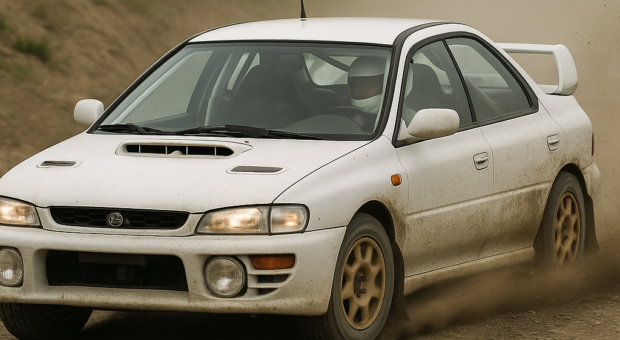
Mastering Rally Car Reliability: Strategies and Setups for Season-Long Performance
Rally racing demands more than just speed; consistent performance across diverse stages distinguishes championship contenders from the rest. One critical yet often underappreciated aspect is rally car reliability—how teams maintain their machines to endure the grueling conditions of a full season. This guide dives into the technical, strategic, and practical facets of rally car reliability, offering insights tailored for enthusiasts, teams, and aspiring drivers aiming for sustained success in the World Rally Championship (WRC) or national rally series.
Understanding Rally Car Setup for Long-Term Durability
Rally car setup is a balancing act between performance and robustness. While aggressive tuning can shave seconds off stage times, it often risks mechanical failure if not managed carefully.
Key Technical Points Affecting Rally Car Reliability
- Suspension Tuning for Varied Terrain
Rally stages oscillate between gravel, tarmac, snow, and mixed surfaces. Reliable rally suspension setups must absorb shocks from rough gravel without compromising control on smooth tarmac. Teams often use adjustable dampers and reinforced suspension arms to prevent premature wear.
- Engine Mapping and Cooling Systems
Engines tuned for maximum output can overheat or suffer component stress during long stages. Conservative engine maps that prioritize torque and drivability over peak horsepower help maintain engine integrity. Enhanced cooling systems, including larger radiators and oil coolers, are essential for avoiding overheating in hot or dusty environments.
- Drivetrain and Transmission Durability
Continuous gear shifting and torque transfer over uneven terrain strain the gearbox and differentials. Reinforced gearboxes with optimized gear ratios tailored to stage profiles reduce mechanical stress. Regular maintenance schedules during service breaks focus on fluid changes and inspections to prevent failures.
WRC Rally Stages: How Stage Conditions Influence Reliability
Each rally stage presents unique challenges that can impact reliability. Understanding these conditions helps teams prepare setups and strategies accordingly.
Gravel vs Tarmac Setup Challenges
- Gravel Stages
Loose surfaces generate high suspension impacts and increase the risk of punctures. Teams install taller suspension travel and use reinforced tires with stronger sidewalls. Dust and dirt ingress protection in air intakes and electronics is vital to prevent failures.
- Tarmac Stages
Higher speeds on asphalt increase brake temperatures and tire wear. Brake cooling ducts and specialized high-friction brake pads are standard. Tire compounds are chosen to withstand abrasive surfaces without compromising grip.
Weather and Environmental Factors
- Muddy or snowy stages can clog radiators and filters, while extreme heat or cold affects fluid viscosity and component elasticity. Teams adjust fluid types and sealing techniques to maintain consistent performance across varied climates.
Rally Team Strategy for Maintaining Season-Long Reliability
Effective rally team strategy extends beyond stage tactics to encompass vehicle preservation and resource management throughout the season.
Scheduled Maintenance and Service Intervals
- Meticulous servicing at designated service parks after every leg is crucial. Tasks typically include:
– Changing engine and gearbox oils
– Inspecting suspension components for cracks or deformation
– Replacing worn brake pads and discs
– Checking and adjusting turbochargers and cooling circuits
- Teams allocate spare parts strategically to avoid carrying excess weight while ensuring critical components are available for quick repairs.
Pacing and Risk Management During Stages
- Drivers and co-drivers collaborate on pace notes that reflect not only speed but also mechanical sympathy.
- In challenging conditions, maintaining a measured pace reduces the likelihood of component damage or accidents that compromise reliability.
Aligning Rally Regulations with Reliability Goals
- Compliance with homologation rules limits modifications, forcing teams to optimize within strict constraints.
- Weight limits and safety regulations indirectly affect reliability by influencing component choices and installation methods.
Common Mistakes That Undermine Rally Car Reliability
Even the best-prepared teams can falter if avoidable errors creep into their approach.
- Over-aggressive Driving on Rough Terrain
Excessive jumps, harsh landings, and aggressive cornering lead to suspension damage and drivetrain failures.
- Ignoring Early Warning Signs
Strange noises, fluid leaks, or overheating during reconnaissance or early stages should prompt immediate checks rather than risking cumulative damage.
- Inadequate Communication Between Driver and Service Crew
Failure to report subtle vehicle issues can result in unaddressed problems escalating into stage-ending failures.
- Improper Tire Selection
Using the wrong compound or tread pattern drastically increases the risk of punctures and handling issues, indirectly stressing suspension and steering components.
Final Thoughts for Rally Enthusiasts and Competitors
Achieving season-long rally car reliability demands a holistic approach combining precise technical setups, adaptive strategies, and vigilant maintenance. The interplay between rally regulations, stage conditions, and vehicle dynamics shapes how teams balance outright speed with mechanical sympathy. For rally fans and competitors alike, appreciating this delicate balance enriches the understanding of what it truly takes to compete at the highest level of motorsport. Continuous learning and adaptation remain the keys to mastering reliability in the relentless world of rally racing.
See also our previous article: Common maintenance mistakes that lead to retirements