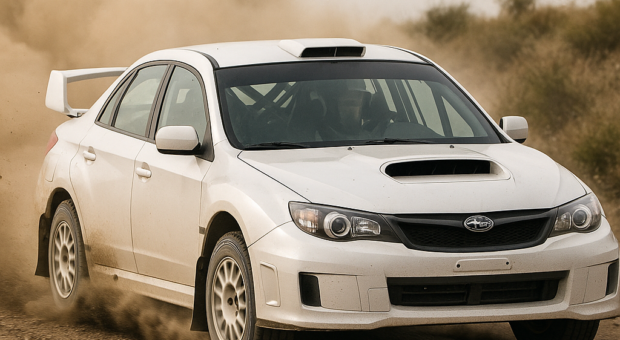
Mastering Rally Car Reliability: Strategies for Season-Long Success in WRC and Beyond
Achieving consistent performance across a full rally championship requires more than just speed. Rally car reliability is the cornerstone of a successful campaign, especially in grueling WRC rally stages where mechanical failures can dash the hopes of even the most skilled drivers. This guide dives deep into the technical factors, stage conditions, and strategic approaches that rally teams use to maintain peak reliability through a demanding season.
Overview of Rally Car Reliability in Competitive Motorsport
Rally cars endure some of the toughest conditions in motorsport—from rough gravel tracks to high-speed tarmac stages and unpredictable weather. Unlike circuit racing, rally stages often last several kilometers over uneven terrain, pushing the car’s mechanical and electronic systems to their limits.
Season-long reliability means minimizing the risk of mechanical breakdowns, while still extracting competitive performance. It involves careful engineering, meticulous rally car setup, and intelligent team strategy aligned with rally regulations. Understanding how these elements interact is critical for teams aiming to finish every event and score consistent points.
Key Technical Points Influencing Rally Car Setup and Durability
Engine and Powertrain Robustness
A rally car’s engine must balance peak power output with endurance. Teams often tune engines to deliver strong torque across the rev range, which reduces excessive strain during rapid acceleration on tight stages.
- Reinforced engine internals help withstand high RPM bursts and variable loads.
- Cooling systems are optimized to prevent overheating during long liaison sections and slow-speed technical stages.
- Transmission components, including the sequential gearbox and differentials, are designed to absorb shocks from jumps and rough terrain.
Rally Suspension and Chassis Strength
Suspension setup is critical for both performance and reliability. Gravel vs tarmac setup differences are significant:
- Gravel setup: Softer, longer-travel suspension to absorb impacts and reduce chassis stress.
- Tarmac setup: Stiffer suspension for precision handling but reinforced to avoid damage from potholes or curbs.
Chassis reinforcements, such as roll cages and skid plates, protect vital components from damage caused by rocks, jumps, and rough landings.
Electronics and Data Systems
Modern rally cars rely heavily on electronics for engine management, traction control, and telemetry. Reliability here means:
- Using ruggedized wiring harnesses resistant to vibration and moisture.
- Implementing fail-safes in critical control units.
- Ensuring software updates comply with rally regulations and do not introduce bugs mid-season.
Understanding WRC Rally Stages and Their Impact on Reliability
Diverse Surface Conditions
Rally events incorporate mixed surfaces—from loose gravel and mud to asphalt and snow. Each surface demands a tailored car setup:
- Gravel stages are abrasive and cause accelerated tire and suspension wear.
- Tarmac stages push tires and brakes to their thermal limits.
- Wet or icy stages require special attention to traction and braking systems.
Stage Length and Environmental Challenges
Longer stages increase the likelihood of mechanical wear or overheating. Environmental factors such as dust, water crossings, and temperature swings also contribute to component fatigue.
For example, during the iconic Safari Rally, teams face deep ruts and unpredictable weather, requiring extra cooling and reinforced underbody protection to avoid failures.
Rally Team Strategy for Maximizing Reliability Across the Championship
Pre-Event Preparation and Testing
Teams invest heavily in pre-event reconnaissance and testing to fine-tune rally car setup for specific stage conditions. This minimizes surprises that could cause undue stress on the car.
Controlled Pacing and Risk Management
Drivers and co-drivers manage pace to balance speed with mechanical sympathy. Pushing flat-out on every stage may yield stage wins but can increase the risk of damage or failures.
Teams often adopt a points-focused strategy—prioritizing finishing stages cleanly over aggressive driving that risks mechanical trouble.
Efficient Service and Repairs
Rally regulations allow limited service time between stages. Teams focus on:
- Quick inspections of suspension, brakes, and tires.
- Replacing worn parts before they cause failures.
- Using high-quality, tested spares aligned with WRC regulations.
Common Mistakes That Undermine Rally Car Reliability
- Over-aggressive tuning: Maximizing power without regard for endurance often leads to overheating or component failure.
- Ignoring stage-specific setup: Using a gravel setup on tarmac or vice versa increases wear and reduces control.
- Neglecting data analysis: Failing to monitor telemetry for warning signs of mechanical stress can lead to unexpected breakdowns.
- Poor communication: Lack of coordination between driver, co-driver, and mechanics results in missed opportunities to address issues promptly.
Rally Regulations and Their Role in Reliability Management
WRC rally regulations govern everything from car specifications to service times and spare part usage. Understanding these rules is vital for teams to optimize reliability legally.
- Restrictions on engine rebuilds and component replacements encourage durable designs.
- Limits on service duration enforce efficient maintenance strategies.
- Penalties for outside assistance push teams to maximize on-site repairs.
For rally enthusiasts and competitors alike, mastering reliability is as thrilling as chasing outright speed. The intricate balance of engineering, strategy, and adaptability defines the champions who endure every stage of the demanding rally calendar. Whether you’re tuning your own rally car or following the WRC championship update, appreciating the art and science behind season-long reliability adds depth to every twist and turn of the rally adventure.
See also our previous article: Side-by-side comparison of two top-level rally cars: gravel vs tarmac