The Real Cost of a Rally Season: Breaking Down Car, Parts, Logistics, and Entry Fees
Rallying is one of the most exhilarating and demanding motorsports, combining high-speed driving with technical precision over varied terrain. However, behind every successful rally driver and team lies a complex web of expenses that can quickly add up. Understanding the real cost of a rally season—from the car build and replacement parts to logistics and entry fees—is essential for aspiring competitors and fans wanting to grasp the sport’s financial demands.
Overview of Rally Season Expenses
Competing in a rally championship involves multiple cost centers. These include:
- Rally car acquisition and modifications
- Spare parts and consumables
- Logistics and transportation
- Entry fees and licensing
- Team salaries and support crew
Each of these elements plays a critical role in preparing for and finishing rally events, especially in endurance formats like WRC rally stages or national gravel and tarmac championships.
Rally Car Setup: Investment in Performance and Reliability
Purchasing and Preparing a Rally Car
Building a rally car starts with selecting the right base vehicle, typically a production model homologated for rallying. Popular choices include the Subaru WRX STI, Ford Fiesta R5, or Mitsubishi Lancer Evolution.
- Base car cost: $20,000 to $50,000 depending on model and condition.
- Roll cage installation: $5,000–$10,000 for FIA-approved safety cages.
- Engine tuning and upgrades: $10,000–$30,000 to boost power and reliability.
- Rally suspension and brakes: $8,000–$15,000 for adjustable rally suspension suited to gravel vs tarmac setup.
- Safety equipment: $3,000–$7,000 including seats, harnesses, fire extinguishers, and helmets.
Rally Car Reliability and Maintenance
Rally stages are notoriously tough on vehicles. Harsh terrain, jumps, and long distances increase wear and tear. Teams often budget for:
- Routine rebuilds of engine and transmission after 3-5 events.
- Suspension component replacements every event or two due to damage.
- Brake pads and discs replaced every rally on abrasive surfaces.
These maintenance cycles can cost $10,000–$20,000 per rally, dependent on stage difficulty and driver style.
Spare Parts and Consumables: The Hidden Rally Season Cost
Essential Spare Parts for Rally Events
During a rally, quick repairs are often necessary between stages. Common spare parts include:
- Tires and wheels (gravel, snow, tarmac compounds)
- Brake components
- Suspension arms and struts
- Clutch kits and gearboxes
- Engine components (filters, belts, fluids)
Tire and Fuel Expenses
Tire selection and consumption are critical. A WRC event can require 20 or more tires, costing approximately $150–$250 each. Fuel consumption is also high, with teams using specialized high-octane racing fuel costing upwards of $10 per liter.
Logistics and Transportation: Moving the Rally Team
Rally Team Strategy for Logistics
Transporting rally cars, spare parts, and crew between events—sometimes hundreds or thousands of kilometers apart—is a logistical challenge.
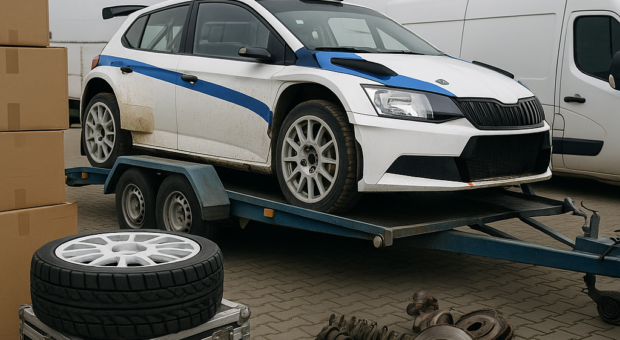
- Transport trucks and trailers: Leasing or owning a rally truck can cost $3,000–$8,000 monthly.
- Accommodation and meals for team members: $150–$300 per person per day.
- Fuel and tolls for transport vehicles.
Efficient logistics planning is vital to reduce costs and ensure timely arrival at service parks.
Entry Fees and Rally Regulations: The Price of Competing
Entry Fees for Rally Events
Entry fees vary widely depending on rally category and level:
- Local or club rallies: $300–$1,000 per event.
- National championship rounds: $1,000–$3,000.
- International events and WRC rounds: $5,000 and up.
Entry fees often include timing, scrutineering, and basic services but exclude service park utilities.
Rally Licensing and Compliance Costs
Drivers and co-drivers must obtain competition licenses, costing between $200 and $1,000 annually. Compliance with rally regulations—such as safety gear certification and vehicle homologation—adds further expenses.
Stage Conditions and Their Impact on Costs
Gravel vs Tarmac Rally Setup
Stage conditions dictate car setup and component wear:
- Gravel stages demand reinforced underbody protection, softer suspension, and more durable tires.
- Tarmac stages require stiffer suspension, lower ride height, and slick tires.
The diverse conditions within a rally season often require teams to invest in multiple setups, increasing parts inventory and labor costs.
Weather and Terrain Challenges
Rally teams must also prepare for:
- Mud and snow conditions requiring specialized tires and increased maintenance.
- Rocky or forested stages causing higher risk of suspension damage.
These factors influence strategy and the budget allocated for parts replacement.
Strategy Insights: Balancing Performance and Budget
Successful rally teams balance competitive pace with mechanical sympathy. Going all-out on every stage can lead to costly repairs or retirements. Teams often:
- Prioritize reliability on longer endurance rallies.
- Adjust suspension and engine mapping for stage-specific conditions.
- Manage tire usage strategically over multiple stages.
This careful management reduces unexpected expenses and improves overall championship results.
Common Mistakes Affecting Rally Season Costs
- Underestimating spare parts needs: Running out of critical parts mid-season leads to expensive emergency orders.
- Neglecting vehicle maintenance: Skimping on routine checks increases breakdown risk.
- Poor logistics planning: Last-minute transport arrangements inflate costs.
- Ignoring rally regulations: Failing scrutineering due to non-compliance causes penalties or disqualification.
Avoiding these pitfalls can help teams optimize their rally budget.
For rally enthusiasts and competitors alike, understanding the financial side of rallying enriches appreciation of the sport’s complexity. Whether you’re a driver gearing up for your first season or a fan following the rally championship update, knowing how every dollar supports performance helps deepen your connection to the thrilling world of rally motorsport.
See also our previous article: Parts that fail most often during a rally season