Warning Signs of Engine, Transmission, and Suspension Failure in Rally Cars: A Technical Guide for Teams and Drivers
Overview: Understanding Rally Car Reliability on WRC Rally Stages
Rally cars are pushed to their mechanical limits over diverse and extreme rally stages. From gravel to tarmac, sandy dirt to icy mountain passes, each surface demands a specialized rally car setup and continuous attention to reliability. For teams and drivers competing in the rally championship, early detection of potential engine, transmission, or suspension failures is crucial to avoid costly retirements.
This guide explores the key technical warning signs that indicate your rally car’s critical components are approaching failure. Recognizing these signs helps optimize rally team strategy, ensuring the car remains competitive and compliant with rally regulations throughout demanding events.
Key Technical Points: Identifying Engine, Transmission, and Suspension Issues in Rally Cars
Engine Warning Signs in Rally Competition
The engine is the heart of any rally car, delivering power across variable WRC rally stages. Due to high revs, rapid acceleration, and harsh conditions, engines can suffer wear or damage quickly.
Look out for these warning signs:
- Unusual Noise: Knocking, rattling, or metallic sounds may indicate piston or bearing issues.
- Loss of Power: Difficulty in maintaining speed on steep or technical sections can signal fuel delivery problems or turbocharger failure.
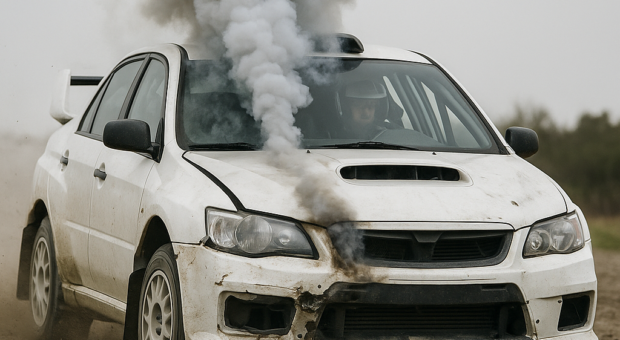
- Excessive Smoke: Blue or black smoke from the exhaust suggests oil burning or rich fuel mixtures.
- Overheating: Rapid temperature increases on temperature gauges or coolant loss can point to cooling system failures.
- Oil Pressure Drops: Low oil pressure warnings or oil leaks compromise lubrication, accelerating wear.
Example: During a gravel stage, a WRC driver experiencing sudden loss of acceleration and popping noises from the exhaust could be facing turbocharger degradation or ignition problems.
Transmission Warning Signs on Rough Rally Terrains
The transmission endures intense stress, especially during gear shifts on tight corners or rapid acceleration zones. Rally transmissions are typically sequential gearboxes, prone to wear under tough stage conditions.
Key symptoms include:
- Gear Slippage or Jumping: Difficulty engaging or holding gears, particularly under load.
- Unusual Clutch Behavior: Pedal feeling soft, stiff, or inconsistent can indicate clutch wear.
- Grinding Noises: Metallic sounds during shifting often mean damaged synchros or gears.
- Delayed Engagement: Hesitation between gear shifts affects acceleration and stage times.
Teams must monitor transmission fluid temperatures and levels, as overheating accelerates wear.
Suspension Warning Signs for Rally Car Setup on Gravel vs Tarmac
Suspension systems absorb shocks and maintain traction on varying rally surfaces. Failure can drastically reduce vehicle control, risking stage time and safety.
Watch for:
- Unusual Noises: Clunks, creaks, or knocking sounds when hitting bumps or during cornering.
- Handling Instability: Excessive body roll, understeer, or oversteer can suggest worn bushings or damaged dampers.
- Visible Damage: Leaking suspension fluid or bent components after impacts.
- Uneven Tire Wear: Indicates misalignment or suspension geometry issues.
Example: On a fast gravel stage, a sudden loss of rear suspension damping can cause unpredictable slides, forcing the driver to reduce pace.
Stage Conditions Affecting Mechanical Stress and Failure Risks
Gravel vs Tarmac Setup and Mechanical Demands
- Gravel Stages: Loose surfaces cause higher suspension travel and more frequent impacts. Engines face dust and cooling challenges, while transmissions endure constant shifting in tight sections.
- Tarmac Stages: Higher speeds place greater load on transmissions and require precise suspension tuning to maintain grip. Engine cooling is often less problematic, but overheating can still occur in stop-start stages.
Stage length and weather also influence component stress. Long, rough stages increase the chance of accumulated damage, while wet or icy conditions may hide mechanical issues until failure.
Strategy Insights: Managing Reliability Through Rally Team Strategy
Successful rally teams integrate mechanical monitoring into their overall rally strategy:
- Pre-Stage Checks: Routine inspections of oil levels, fluid temperatures, and suspension integrity.
- On-Stage Awareness: Drivers report unusual car behavior immediately to co-drivers and service teams.
- Service Park Interventions: Quick repairs and part replacements between stages, within time limits set by rally regulations.
- Data Logging: Teams use telemetry to track engine RPM, transmission temperature, and suspension travel, identifying early warning patterns.
Balancing aggression and mechanical sympathy is key. Pushing too hard increases failure risk, while conservative driving might cost crucial seconds.
Common Mistakes That Accelerate Component Failure in Rally Cars
- Ignoring Early Warning Signs: Delaying service after noticing noises or performance losses often leads to catastrophic failure.
- Improper Rally Car Setup: Using a tarmac setup on gravel stages, or vice versa, stresses components beyond their design limits.
- Overheating Components: Poor cooling management, especially in hot weather or slow sections, damages engines and transmissions.
- Neglecting Suspension Maintenance: Failing to replace worn bushings or shocks after rough stages causes progressive damage and unpredictable handling.
- Excessive Clutch Riding: Drivers holding the clutch during tight maneuvers wear the transmission and clutch prematurely.
Rally competition demands a fine balance between speed and mechanical endurance. For rally fans and competitors alike, understanding the subtle signs of engine, transmission, and suspension distress adds a new layer of appreciation for the skill and strategy behind each stage. Staying vigilant to these warning signals not only secures better performance but can make the difference between finishing strong or facing an untimely exit from the rally championship leaderboard.
See also our previous article: What you need to know about insurance and regulations in rallying