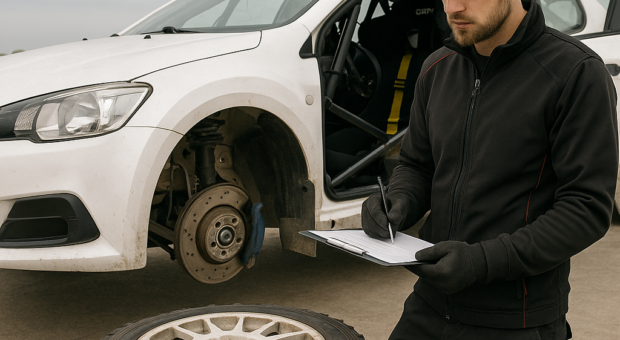
Pre-Rally Checklist: Essential Brake, Drivetrain, Tyres, and Safety Equipment for Winning Rally Car Setup
Preparing a rally car for demanding WRC rally stages or regional gravel events requires a meticulous pre-rally checklist. Success on varying surfaces—gravel, tarmac, or snow—depends not only on driver skill but a carefully optimized rally car setup. This article dives deep into the critical areas every rally team must inspect and adjust before hitting the stages: brakes, drivetrain, tyres, and safety equipment. Understanding these components in relation to rally regulations and stage conditions enhances reliability and performance while minimizing the risk of costly mistakes.
Overview: Why a Pre-Rally Checklist Matters for Rally Car Reliability
Rally cars endure extreme stresses over hundreds of competitive kilometers. High-speed braking into tight corners, rapid gear changes on mixed surfaces, and unpredictable terrain demand maximum mechanical reliability and safety. Pre-rally checks ensure the car meets strict rally regulations and is prepared for the specific challenges of each rally stage.
Key benefits of an exhaustive checklist include:
- Preventing mechanical failures that can end a rally prematurely
- Maximizing grip and control through tailored tyre and brake setups
- Complying with FIA rally safety regulations to protect driver and co-driver
- Optimizing drivetrain components for power delivery and durability
Key Technical Points: Brakes, Drivetrain, and Tyres in Rally Car Setup
Brake System Inspection and Setup for Rally Stages
Braking performance is crucial in rally stages where drivers often brake hard on loose gravel or rapidly changing tarmac surfaces. Key components to check:
- Brake pads and discs: Ensure pads have at least 6-8mm thickness and discs show no cracks or warping. Carbon-ceramic discs are common in WRC for heat resistance, but steel discs are used in regional rallies.
- Brake fluid: Must be replaced regularly with high boiling point fluids (e.g., DOT 5.1 or higher) to prevent vapor lock in high temperatures.
- Cooling ducts: Confirm ducts are clean and correctly positioned for optimal airflow, especially on tarmac stages where brakes generate more heat.
- Brake bias adjustment: Rally regulations often allow adjustable bias; fine-tune it to match stage conditions (more rear bias on gravel for controlled slides, front bias on tarmac for stability).
Example: During the Monte Carlo Rally, drivers reduce brake bias to the rear to help manage icy corners, enhancing rotation without losing control.
Drivetrain Reliability and Functionality Checks
The drivetrain transfers engine power to wheels and must endure aggressive acceleration and torque loads. Key points to assess:
- Gearbox and differential oil: Change fluids with correct viscosity to reduce wear and overheating.
- Gear engagement: Test for smooth and precise shifting; any grinding or missed shifts indicate urgent gearbox maintenance.
- CV joints and driveshafts: Inspect for cracks or excessive play which can cause failure on rough gravel stages.
- Differential settings: Adjust front, center, and rear limited-slip differentials for the expected stage surface (tight lock for tarmac, more open for slippery gravel).
A real rally scenario: In Finland’s fast gravel stages, teams often opt for a more open center differential to allow smoother cornering at high speeds, preventing drivetrain binding.
Tyres: The Frontline of Rally Car Performance
Tyres are the only contact point between car and stage surface, making selection and condition vital:
- Tyre type: Use soft compound tyres for cold, wet stages and hard compounds for dry, abrasive gravel.
- Tyre tread pattern: Choose aggressive knobbly treads for deep gravel, and slick or semi-slicks for tarmac events.
- Tyre pressure: Adjust pressures based on stage length and surface; lower pressures increase grip on rough gravel but risk punctures, higher pressures reduce rolling resistance on smooth tarmac.
- Spare tyres: Confirm correct number and type of spares are loaded as per rally regulations and expected stage risks.
During the Wales Rally GB, teams often carry extra reinforced gravel tyres to combat sharp rocks and forest debris that frequently cause punctures.
Stage Conditions: Adapting the Pre-Rally Setup for Performance and Safety
Each rally stage presents unique challenges influencing setup decisions:
- Gravel vs Tarmac Setup: Gravel requires softer suspension travel, higher ride height, and more compliant brake bias, while tarmac demands stiff suspension, low ride height, and aggressive brake cooling.
- Weather impact: Rain or snow drastically affect tyre choice and brake performance; wet tarmac stages necessitate wet-weather tyres and cautious brake application to avoid lock-ups.
- Altitude and temperature: High-altitude rallies reduce engine power but can also affect brake cooling efficiency, requiring compensations in brake ducting and fluid choice.
Example: The Rally Catalunya switches between gravel and tarmac stages, forcing teams to perform quick switchovers in tyre and brake setup, testing logistical efficiency and driver adaptability.
Strategy Insights: Combining Technical Setup with Rally Team Strategy
A successful rally car setup is only part of the equation. Integrating it with rally team strategy ensures maximum stage performance:
- Stage reconnaissance (recce): Use pace notes and stage inspection to tailor brake bias, tyre choice, and differential settings.
- Service timing: Plan repairs or setup changes during service intervals efficiently to minimize downtime.
- Driver feedback: Real-time driver input during liaison sections helps the team fine-tune components for upcoming stages.
- Regulation compliance: Ensure all modifications and equipment meet FIA rally regulations to avoid penalties or disqualification.
Example: At the Safari Rally, known for punishing terrain, teams prioritize drivetrain robustness and tyre durability over outright speed, adjusting strategy accordingly.
Common Mistakes in Pre-Rally Preparation That Cost Time and Reliability
Many rally teams fall into avoidable pitfalls that compromise performance:
- Neglecting brake fluid changes, leading to brake fade and loss of stopping power.
- Overlooking drivetrain wear signs, resulting in gearbox failures mid-stage.
- Using inappropriate tyre compounds for stage conditions, causing grip loss or excessive wear.
- Inadequate safety equipment checks, risking non-compliance or driver injury in crashes.
Regularly updating the pre-rally checklist to include lessons learned from past rallies helps reduce these issues.
For rally fans and competitors alike, mastering the pre-rally checklist is a gateway to understanding the complexities behind every successful stage run. Whether tuning your own rally car or following motorsport news, appreciating the technical and strategic layers brings a deeper connection to the thrilling world of rally championship battles.
See also our previous article: Essential tips for buying a second-hand rally car