End-of-Day Rally Recap: Winners, Setbacks, and Unexpected Twists on Grueling WRC Gravel Stages
What Happened on Day One of the Rally Championship Update?
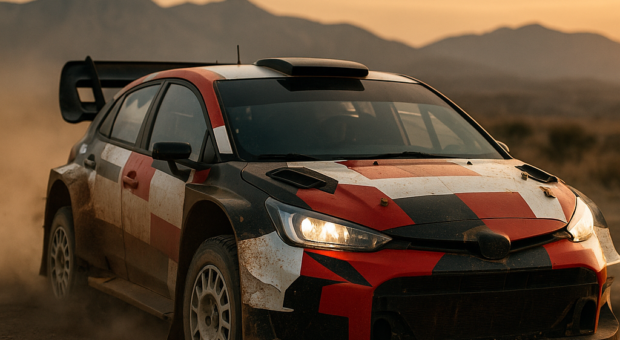
The opening day of this WRC rally event delivered intense action across challenging gravel vs tarmac setup transitions. Drivers faced mixed surface stages that tested both skill and team strategy from the start. Notably, the rough terrain and unpredictable weather played a major role in rally car reliability, forcing some top contenders into early trouble.
By the end of the day, multiple lead changes shook up the standings, highlighting how crucial rally suspension tuning and precise car setup are in adapting to evolving stage conditions.
Key Moments That Shaped the Rally Leaderboard
Early Stage Drama: Mechanical Failures and Time Losses
- Defending champion Johan Kristoffersen suffered a critical suspension failure on Stage 3, costing him over two minutes.
- Rally team strategy came into sharp focus when Hyundai’s crew opted for a softer gravel setup, helping teammates gain time on slippery descents.
- A surprise podium contender emerged as rookie driver Luca Mazzoni pushed his car to the limits, climbing into the top five after consistent stage times.
Weather Shifts Impacting Rally Car Setup Choices
Midday rain forced crews to rethink tire choices and suspension settings. Teams running aggressive tarmac setups struggled to maintain traction, while those with adaptive gravel configurations capitalized on better grip.
- Stage 5 saw numerous spins and punctures due to the wet gravel, influencing the battle for stage wins.
- Subaru’s decision to switch to reinforced rally suspension after Stage 4 paid dividends, with driver Emma Larsson posting the fastest time on the slippery sections.
Technical and Strategic Impact on Rally Performance
Rally Suspension and Setup: The Deciding Factor
The contrasting gravel and tarmac surfaces demanded a finely balanced rally car setup. Teams that successfully managed the gravel vs tarmac setup transition gained crucial seconds.
- Softer suspension settings improved traction on gravel but compromised speed on tarmac.
- Drivers who adapted their pace to the changing surfaces avoided costly mistakes and mechanical strain.
Rally Car Reliability Under Harsh Conditions
The rough stages exposed vulnerabilities in some cars’ durability:
- Toyota’s rally car suffered from overheating issues due to clogged radiators from dirt and debris.
- Ford’s rally team improved cooling efficiency with modified air intakes, resulting in uninterrupted performance for their lead driver.
Driver and Team Reactions: Insights from the Service Park
Post-stage interviews revealed a mixture of frustration and optimism among drivers and crews.
- Johan Kristoffersen expressed disappointment but remained confident his team could recover with setup adjustments.
- Luca Mazzoni praised his team’s precise rally team strategy, especially their tire choices and pace notes for the tricky gravel sections.
- Emma Larsson highlighted how her enhanced suspension setup allowed her to push harder without risking control on wet gravel.
Team principals emphasized the importance of flexibility in rally regulations, noting how adapting setups between stages is critical for day-long endurance.
What to Watch Next: Rally Championship Update and Stage Analysis
As the rally progresses, expect teams to refine their rally car setup further to maximize grip and reliability. Key factors to monitor include:
- How drivers manage tire wear over mixed surface rallies.
- Whether any teams implement mid-rally suspension changes to better handle evolving conditions.
- Potential shifts in the championship leaderboard as frontrunners battle for consistent stage times and avoid mechanical issues.
Fans should keep an eye on upcoming WRC rally stages featuring steep climbs and technical corners, which will test both driver skill and car balance.
For rally enthusiasts and competitors alike, today’s action underscores that success hinges on smart rally team strategy, reliable rally suspension tuning, and the ability to adapt quickly to unpredictable stage conditions. Stay tuned as the championship battle intensifies!
Looking for more in-depth information? You can also read one of our full guides here: How often a rally car really needs servicing during the season.
Read the previous review: Breaking news: safety car deployed after stage interruption