Mid-Rally Report: Who’s Managing Pace and Who’s Pushing Too Hard on WRC Gravel Stages
As the dust settles on the crucial mid-point of this WRC gravel event, the battle between calculated pace and aggressive pushing is clearer than ever. The latest rally stages have tested both driver skill and rally car setup, revealing which teams have optimized their strategy and which are risking too much for early gains.
What Happened: Shifting Momentum on Challenging Gravel Stages
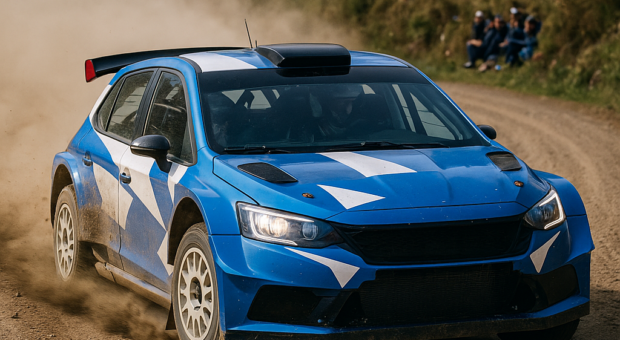
The rally’s midpoint featured three demanding gravel stages, each presenting a unique mix of high-speed straights and tight technical corners. The variable conditions, with intermittent rain making sections slippery, forced teams to adapt their rally suspension and tire choices on the fly.
- Several top contenders adopted a conservative approach to preserve rally car reliability over the long haul.
- Others pushed aggressively, aiming to build a time buffer before the final stages.
- Notably, stage 7 saw multiple drivers struggling with traction, leading to time losses and minor off-road excursions.
This section of the rally was pivotal in reshuffling the leaderboard and highlighted the importance of balancing pace with mechanical sympathy.
Key Moments: Who Gained and Who Lost Time?
The Art of Rally Car Setup on Gravel vs Tarmac
While this rally is predominantly gravel, some stages featured mixed surfaces, challenging teams to find the ideal compromise between gravel and tarmac setups. Drivers who managed this balance effectively gained critical seconds.
- Sébastien Ogier’s team opted for a slightly softer suspension setup, improving grip in slippery sections without sacrificing stability on faster gravel stretches.
- Ott Tänak, pushing hard with a stiffer suspension, experienced a couple of traction issues but gained time on high-speed sections.
- Kalle Rovanperä’s aggressive pace on stage 7 led to a minor off-road moment, costing him valuable seconds but demonstrating his intent to push the limits.
Rally Team Strategy: Managing Pace vs Risk on Slippery Terrain
The mid-rally report shows that teams managing their pace carefully benefited from fewer mistakes and better tire longevity, crucial for the upcoming longer stages.
- Hyundai Motorsport’s drivers focused on a risk-managed approach, maintaining consistent stage times without overextending.
- Toyota Gazoo Racing drivers pushed the envelope, especially on the fastest stages, attempting to capitalize on their superior engine performance.
- M-Sport Ford’s cautious approach kept them in the hunt, leveraging rally car reliability over pure speed.
Technical and Strategic Impact on Rally Championship Standings
The decisions made at this midpoint influence not just today’s results but the entire rally championship update. Rally car setup choices and how teams manage tire wear and suspension under varying conditions can make or break a rally.
- Teams that preserved their cars’ mechanical integrity are positioned well to attack the final stages.
- Those who pushed too hard risked damaging suspension components or tires, potentially forcing repairs during service breaks.
- The variability of gravel stages combined with changing weather conditions tested the teams’ ability to adapt their rally team strategy dynamically.
Driver and Team Reactions: Insights from the Service Park
Post-stage interviews reveal contrasting mindsets among drivers and crews:
- Sébastien Ogier praised his co-driver and engineers for a balanced approach, emphasizing the importance of “listening to the car” in gravel rally stages.
- Ott Tänak admitted to “pushing on the edge” but remains confident his pace will pay off if he can avoid further mistakes.
- Kalle Rovanperä acknowledged the off-road moment but reiterated his commitment to “extract every tenth” from the car before the rally’s conclusion.
Hyundai team principals highlighted their focus on “steady progression” and “maximizing points” rather than outright stage wins, a strategy that could prove decisive in the championship battle.
What to Watch Next: Final Stages and Rally Car Reliability
As the rally progresses, attention turns to the final set of stages, where:
- Rally car reliability will be paramount, especially with longer gravel sections testing suspension and drivetrain durability.
- Drivers who managed their pace mid-rally may have fresher tires and fewer mechanical issues, giving them an edge.
- Weather forecasts predict further rain, potentially altering stage conditions and forcing last-minute setup tweaks.
Fans and competitors alike should watch for:
- How teams adjust rally suspension settings overnight to cope with evolving terrain.
- Whether any drivers escalate their pace in a final push or continue managing risk.
- The impact of rally regulations on tire usage and service times in the closing stages.
This mid-rally report underscores the intricate balance between aggression and caution in rally racing. The drivers and teams who master this dynamic on demanding gravel stages often emerge victorious, making every strategic decision a potential game-changer in the WRC championship chase.
Looking for more in-depth information? You can also read one of our full guides here: Comparison between different generations of the same rally car.
Read the previous review: Stage-by-stage recap: how the rally unfolded today