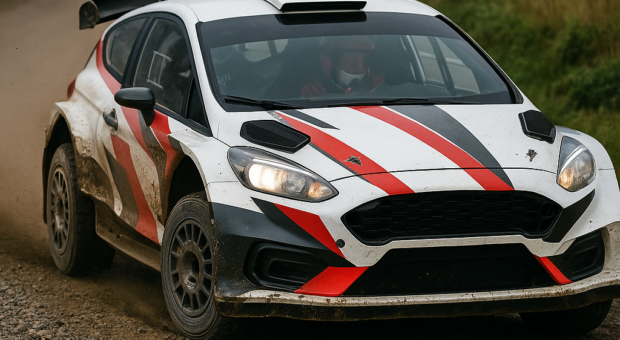
Rally strategy update: tyre choices that changed the leaderboard
What happened: dynamic tyre calls on challenging gravel stages
On the latest WRC gravel event, tyre choices dramatically altered the leaderboard standings, proving once again that tyre strategy is as crucial as raw speed. As crews faced mixed conditions—ranging from dry, dusty tracks to unexpected rain showers—the selection between soft, medium, and hard compound tyres became a decisive factor.
Several top drivers gambled on softer compounds early in the day to maximize grip on loose gravel, while others opted for harder tyres to endure abrasive surfaces and longer stages. The variance in tyre wear rates and performance led to significant position shifts, with some drivers dropping out of the top five and others capitalizing on their tyre strategy to climb the ranks.
Key moments: pivotal stages where tyre strategy paid off
- Stage 5 (Montagne Sprint, 18.2 km): Sudden morning drizzle made the course slippery. Drivers on medium compound tyres gained an advantage over those on soft tyres, who struggled with tyre degradation and loss of grip.
- Stage 9 (Riverbed Run, 22.4 km): Dry, abrasive gravel favored the drivers who chose hard compound tyres. Several competitors on softer tyres reported excessive wear, forcing cautious driving that cost seconds.
- Stage 12 (Valley Circuit, 15.7 km): A last-minute weather update prompted some teams to swap to softer tyres for the afternoon loop, resulting in quicker stage times and position gains.
Technical or strategic impact: how tyre compounds influenced rally car setup and team tactics
Tyre compounds directly affect rally car setup, including suspension tuning and brake balance, especially on gravel versus tarmac setups. Softer tyres provide better initial grip but wear faster, requiring teams to balance pace and tyre preservation.
- Suspension adjustments: Teams running softer tyres often softened suspension settings to exploit grip, enhancing traction on loose surfaces.
- Tyre pressure management: Lower tyre pressures improved contact patches for softer tyres but increased the risk of tyre damage on rough gravel.
- Stage length considerations: Longer stages made hard tyres preferable to avoid excessive wear, whereas short, technical sections allowed softer compounds to shine.
This event highlighted how rally teams must integrate real-time weather and stage data into their strategy, adjusting rally car suspension and tyre pressures accordingly. It also underscored the importance of tyre manufacturers’ development in delivering compounds tailored for varying gravel conditions.
Driver and team reactions: insights from the rally frontlines
Multiple drivers praised the tyre strategy calls that helped them gain time, while others acknowledged the risks involved.
- Ott Tänak (Hyundai Motorsport): “Choosing medium tyres for the rainy morning stages was a gamble, but it paid off. The grip was better than expected, and it let me push harder without fearing wear.”
- Elfyn Evans (Toyota Gazoo Racing): “We stuck with hard tyres for the long stages, aiming for consistency. It wasn’t the fastest option, but it saved us from tyre degradation that caught out some rivals.”
- M-Sport Ford team principal: “Our strategy team worked closely with tyre engineers to adjust pressures and compounds based on stage reports. It’s a reminder how closely linked rally car setup and tyre choices are to overall performance.”
What to watch next: tyre strategy in upcoming WRC rally stages
As the championship moves towards mixed-surface events with gravel and tarmac sections, tyre strategy will become even more complex. Teams will need to decide not only on compound but also on how to manage transitions between surfaces without compromising rally car reliability.
- Expect more aggressive tyre pressure adjustments to optimize grip on changing stages.
- Keep an eye on how teams adapt suspension settings between gravel and tarmac setups to complement tyre performance.
- Weather forecasts will play an increasingly pivotal role in pre-stage tyre selection, with rain or dust capable of reshuffling positions rapidly.
For rally fans and competitors alike, understanding the evolving nuances of rally team strategy around tyre choices offers exciting insights into how split-second decisions shape championship battles. The tyre wars on gravel stages are far from over—and they might just decide the next rally winner.
Looking for more in-depth information? You can also read one of our full guides here: How to spot accident repairs on a rally car.
Read the previous review: Service park update: key repairs and last-minute fixes before the next stage