How Road Position Shaped Today’s WRC Rally Stage Performance: A Deep Dive Analysis
What happened on today’s WRC rally stages?
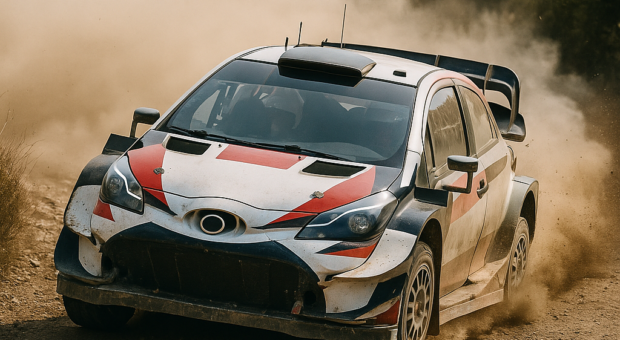
Today’s WRC rally stages delivered a compelling showcase of how road position can dramatically influence rally car performance. As crews tackled the notoriously slippery gravel and mixed-surface routes, the starting order became a decisive factor in the drivers’ times and overall standings. Early runners faced loose surface conditions, forcing a sweep effect, while those starting later enjoyed a cleaner racing line but contended with deteriorating grip in certain sectors.
Notably, the gravel vs tarmac setup nuances played a subtle yet critical role on transitional sections, where drivers switched between aggressive gravel suspension settings and tarmac-friendly adjustments. This blend challenged teams’ rally car setup strategies and highlighted the importance of flexible rally team strategy.
Key moments where road order affected results
Sweeping the road: early starters’ uphill battle
- Drivers starting in the top five positions encountered loose gravel in the opening kilometers, forcing them to “sweep” the road.
- This sweeping effect slowed their pace by an average of 4 to 6 seconds per kilometer compared to mid-pack starters.
- Toyota’s Kalle Rovanperä, running first on the road, struggled to find grip in the initial 10 kilometers, losing valuable seconds despite an aggressive driving style.
Mid-pack advantage on gravel stages
- Competitors starting between positions 8 and 15 capitalized on a cleaned racing line.
- Hyundai’s Thierry Neuville, starting ninth, set the fastest time on stage 3, benefiting from reduced gravel debris and improved traction.
- This tactical road position advantage allowed him to claw back 12 seconds on his rivals, shaking up the rally championship update.
Late runners’ challenge: grip fades on tarmac sections
- Drivers starting later encountered a double-edged sword: better road cleaning but increased tire wear due to higher ambient temperatures and road surface degradation.
- On mixed tarmac-gravel sectors, rally suspension setups had to cope with unexpected grip loss, especially in fast corners.
- M-Sport’s Elfyn Evans, running 18th, lost time as his gravel suspension was less forgiving on the worn tarmac patches.
Technical and strategic impact of road position on rally car setup
Road position not only influenced lap times but also forced teams to adapt their rally car reliability and setup to evolving stage conditions.
Suspension and tire choices
- Teams opted for softer rally suspension settings to maximize grip on loose gravel but risked instability on tarmac stretches.
- Tire selection became a balancing act: softer compounds offered better grip but wore out faster on abrasive surfaces, affecting rally car reliability over multiple stages.
Rally team strategy adjustments
- Some teams deliberately chose less favorable road positions for subsequent stages, accepting an early time loss to gain cleaner roads later.
- This strategic gamble hinged on forecasted weather and stage surface evolution, demonstrating the critical role of rally regulations and timing in team decisions.
Driver and team reactions to road position challenges
Post-stage interviews revealed mixed sentiments regarding road position effects:
- Rovanperä acknowledged the uphill battle of running first but praised his team’s rally car setup adjustments that kept him competitive despite sweeping duties.
- Neuville highlighted the importance of starting order luck but stressed that maintaining focus and consistent driving was key to exploiting road position advantages.
- Evans expressed frustration with the late road position but remained confident in his team’s ability to optimize rally suspension settings for upcoming stages.
What rally fans and competitors should watch next
The evolving dynamics of road position will remain a pivotal factor as the rally progresses. Fans should watch how:
- Teams refine their rally car setup to balance gravel vs tarmac demands amid changing weather conditions.
- Drivers manage tire wear and grip on mixed-surface WRC rally stages.
- Rally regulations and starting order selections influence team strategies, especially in the championship’s critical phases.
Understanding these nuances offers a richer appreciation of the complex interplay between driver skill, technical preparation, and strategic planning that defines top-level rally competition.
Looking for more in-depth information? You can also read one of our full guides here: Beginner’s guide to choosing your first rally car for local competitions.
Read the previous review: Rally standings update: championship fight tightens after today’s results