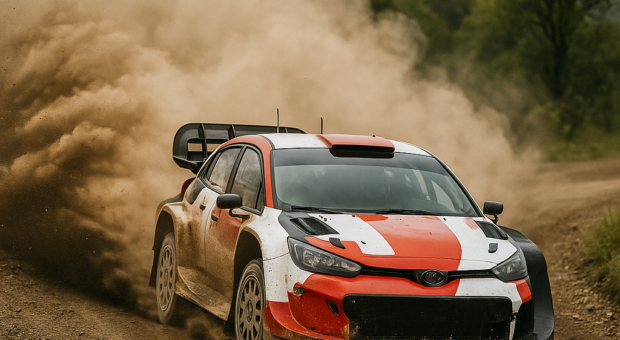
Gravel Stage Breakdown: How Time Was Won and Lost on Challenging WRC Rally Terrain
What Happened on the Latest WRC Gravel Stages?
The recent World Rally Championship (WRC) gravel stages delivered a thrilling mix of high-risk driving and strategic mastery. Drivers faced a demanding 25-kilometer test featuring loose gravel, sharp crests, and unexpected blind corners under dry but dusty conditions. This combination tested not only raw speed but also rally car setup and tire management.
Several top contenders made significant time gains, while others struggled with grip and mechanical setbacks. The shifting gravel surface meant that road position dramatically influenced stage times, as early runners had to “sweep” loose stones, giving later starters a cleaner line.
Key Moments That Defined the Gravel Stages
Early Leaders Struggle with Road Sweep
- The first few cars on the road lost precious seconds battling loose stones, which reduced traction.
- Drivers like Elfyn Evans and Thierry Neuville fell behind by 10-15 seconds compared to their usual pace.
- This effect highlighted the importance of rally team strategy regarding start order and tire choice on gravel.
Ott Tänak’s Bold Tire Gamble Pays Off
- Tänak’s team opted for a softer compound gravel tire with more aggressive tread patterns.
- This choice enhanced grip on the loose surface, allowing him to claw back 12 seconds on the stage.
- His suspension setup, tuned for more compliance over rough terrain, helped maintain stability at high speeds.
Mechanical Issues Hurt Sébastien Ogier
- Ogier experienced a minor suspension failure midway through the stage after hitting a hidden rock.
- The damage caused handling difficulties, forcing him to slow down and lose 20 seconds.
- This incident underlined the critical role of rally car reliability and robust suspension design on gravel.
Technical and Strategic Impact on Rally Car Performance
Gravel vs Tarmac Setup Adjustments
- Teams adjusted suspension travel and damping for maximum absorption of rough gravel terrain.
- Softer springs and reinforced shock absorbers were crucial to maintain high speed without risking damage.
- Aerodynamic settings were tweaked to optimize downforce at lower speeds typical of gravel stages.
Rally Suspension Choices Made the Difference
- Cars with adaptive suspension technology had an edge, as they could adjust stiffness dynamically.
- This allowed drivers to push harder over crests and compressions without losing control.
- Teams without such tech had to compromise between comfort and responsiveness.
Rally Team Strategy on Tire Selection and Road Position
- The timing of tire choices—gravel tires with either hard or soft compounds—proved decisive.
- Teams coordinated start orders to avoid early “road sweeping” when possible.
- Strategic pace management was critical, balancing risk and preserving car integrity over long gravel stages.
Driver and Team Reactions to Gravel Stage Challenges
Drivers Praise Adaptive Setups and Team Support
- Tänak praised his engineers: “Our suspension setup today kept me confident even in the rough sections.”
- Ogier acknowledged the challenge: “The suspension failure was unfortunate, but these stages always push the limits of reliability.”
Teams Evaluate Rally Car Reliability and Adjustments
- Hyundai Motorsport emphasized the need for further durability testing on gravel suspension components.
- Toyota Gazoo Racing highlighted the success of their tire strategy and adaptive suspension systems.
- M-Sport Ford pointed to the importance of balancing pace and caution on unpredictable gravel surfaces.
What to Watch Next in the Rally Championship Update
As the rally progresses, keep an eye on:
- How teams continue to refine gravel setups versus upcoming mixed-surface stages.
- Whether drivers who lost time due to road sweep can recover with favorable start positions.
- Potential mechanical issues as cars endure prolonged gravel punishment.
- The evolving rally team strategy as tire wear and suspension stress accumulate.
For rally enthusiasts, these gravel stages offer a perfect case study in the interplay of driver skill, technical innovation, and tactical planning. The battle for every second on loose surfaces showcases why gravel remains one of the most demanding and exciting challenges in the world of motorsport news.
Looking for more in-depth information? You can also read one of our full guides here: Parts that fail most often during a rally season.
Read the previous review: End-of-day rally summary: winners, losers, and surprises