Production-Based Rally Cars: What Components Stay Stock and What Rally Teams Modify
Rallying is a unique motorsport where production-based cars are transformed to tackle some of the world’s harshest and most varied terrains. Understanding the balance between stock components and modifications is essential for grasping how rally cars perform across different stages and conditions. This article breaks down the technical aspects of production-based rally cars, highlighting the elements that remain factory-standard and those extensively changed to meet rally regulations and competitive demands.
Overview: Understanding Production-Based Rally Cars in Rally Competitions
Production-based rally cars start as road-legal vehicles but are adapted to comply with rally regulations, such as those set by the FIA for categories like R5/Rally2 or Group N. These cars retain much of the original chassis and body shell but undergo rigorous modifications to improve durability, handling, and safety.
The key idea is to maintain a connection to the production model while enhancing performance for WRC rally stages, national rallies, or gravel and tarmac events. This approach keeps costs manageable and preserves the spirit of motorsport rooted in accessible technology.
Key Technical Points: Stock vs Modified Components in Rally Car Setup
Engine and Powertrain: Balancing Stock Base with Rally Tuning
- What stays stock: The engine block and cylinder head often remain from the production car to comply with homologation rules.
- Modifications: Internal components such as pistons, camshafts, and turbochargers are upgraded to increase power and torque output. For example, R5 rally cars typically produce around 280-300 horsepower.
- Transmission: Standard gearboxes are replaced with sequential or reinforced gearboxes for faster, more reliable shifting under rally conditions.
- Differentials: Multiple limited-slip differentials are added or tuned to optimize traction on varying surfaces.
Suspension: Rally Suspension Overhaul for Stage Conditions
- Stock parts: The basic suspension mounting points and subframe remain unchanged to satisfy homologation.
- Changes: Rally teams fit heavy-duty rally suspension with longer travel, reinforced components, and adjustable dampers. For gravel vs tarmac setups, suspension stiffness and ride height are tuned differently.
- Example: On gravel stages, softer springs and higher ride height help absorb rough terrain, while tarmac stages use stiffer springs and lower ride height for better handling.
Chassis and Safety: Reinforcements and Roll Cages
- Stock chassis: The core body shell is retained from the production car.
- Modifications: Installation of a full FIA-approved roll cage dramatically increases structural rigidity and driver safety.
- Additional reinforcements: Underbody protection plates, strengthened suspension mounts, and reinforced subframes are added to withstand the punishment of rally stages.
Brakes and Wheels: Performance Upgrades for Reliability and Control
- Stock components: Brake caliper mounts and hubs usually remain standard.
- Upgrades: High-performance brake discs, pads, and cooling ducts are installed. Wheel sizes and tires vary by stage, with gravel stages favoring smaller wheels with thicker tires and tarmac running larger wheels with slick tires.
Stage Conditions and Rally Car Setup: Adapting to Gravel, Tarmac, Snow, and Mixed Surfaces
Rally cars must be versatile to compete on WRC rally stages featuring diverse surfaces:
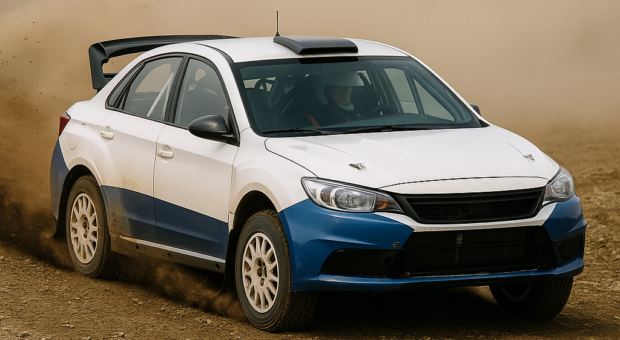
- Gravel setup: Softer suspension, increased ride height, skid plates, and durable tires for loose surfaces.
- Tarmac setup: Lower ride height, stiffer suspension, and slick or semi-slick tires for maximum grip.
- Snow and ice: Studded tires, specific suspension tuning for cold conditions, and limited engine power adjustments to maintain traction.
Each stage demands a tailored rally car setup, often requiring teams to swap parts overnight during service breaks—a critical element of rally team strategy.
Strategy Insights: How Rally Teams Balance Stock and Modified Parts for Performance and Reliability
Rally teams must optimize the balance between pushing the limits of performance and maintaining rally car reliability. Over-modification risks frequent breakdowns, while staying too close to stock limits competitiveness.
- Parts lifespan: Critical components like gearboxes and engines have regulated lifespans to avoid excessive costs.
- Service intervals: Teams plan maintenance and parts replacement strategically to maximize durability through long rally legs.
- Data analysis: Teams use telemetry from rally stages to adjust suspension settings, engine mapping, and tire choices to suit upcoming stages.
Common Mistakes in Production-Based Rally Car Development
- Over-reliance on stock parts: Some teams underestimate the need for reinforced suspension or cooling, leading to failures on rough stages.
- Ignoring stage-specific setups: Using a “one-size-fits-all” setup reduces performance and increases tire wear or mechanical stress.
- Neglecting homologation rules: Modifications outside rally regulations can lead to disqualification or penalties.
- Underestimating reliability: Over-tuning engines for maximum power without durability considerations often results in retirements.
The Impact of Rally Regulations on Production-Based Car Modifications
FIA rally regulations tightly control the modifications allowed to ensure fair competition and cost containment. Homologation rules dictate which parts must remain stock and which can be modified. This framework encourages innovation within boundaries, pushing teams to optimize every allowed adjustment.
For example, the R5/Rally2 category mandates the use of production-based engine blocks and restricts turbocharger specifications, while allowing suspension upgrades and advanced safety equipment. This maintains the connection to production cars while enabling competitive rally performance.
For rally enthusiasts and competitors alike, understanding what stays stock and what changes in production-based rally cars reveals the intricate balance that defines rally motorsport. This knowledge enhances appreciation of the engineering challenges teams face and the strategic decisions drivers and engineers make to master the unpredictable world of WRC rally stages.
See also our previous article: How to reduce repair costs between rally events