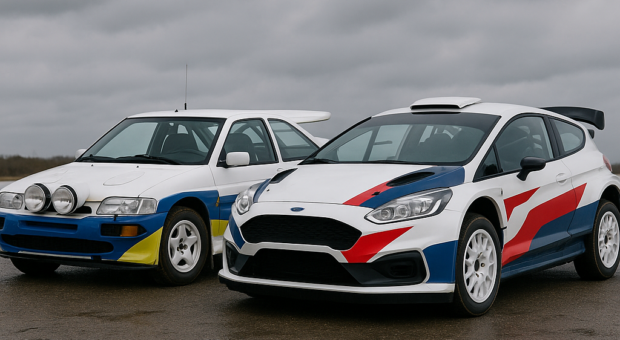
Comparing Rally Car Generations: Technical Evolution and Stage Performance Insights
Rallying is a sport where every detail counts—from the car’s mechanical setup to the driver’s split-second decisions on challenging terrain. When examining different generations of the same rally car model, understanding their evolution helps enthusiasts and teams grasp how technological advancements impact performance on diverse WRC rally stages. This article breaks down key aspects of rally car generations, focusing on rally car setup, suspension changes, stage conditions, and rally team strategy through the lens of real rally competition contexts.
Overview: Evolution of Rally Car Generations in Motorsport
Rally cars undergo continuous development to meet evolving rally regulations and to optimize performance across gravel, tarmac, snow, and mixed surfaces. Each generation reflects improvements in engine management, chassis dynamics, aerodynamics, and reliability.
- Early generations often prioritized raw power and mechanical grip with simpler electronics.
- Newer generations integrate advanced telemetry, hybrid suspension systems, and refined aerodynamics.
- Regulatory changes, such as restrictions on turbo boost or weight, shape the design philosophy of each generation.
Understanding these shifts is critical for appreciating why certain setups excel in different rally championship updates.
Key Technical Points: Rally Car Setup and Suspension Advances
Rally Suspension: From Mechanical to Adaptive Systems
Suspension is crucial for maintaining traction and stability on unpredictable rally stages. Comparing generations reveals a progression:
- Older cars relied on more basic, often heavier suspension components, with limited adjustability.
- Modern rally cars use electronically controlled dampers allowing real-time adjustments to suspension stiffness, improving handling on mixed surfaces.
- For example, the transition from traditional hydraulic dampers to magnetorheological dampers provides faster response times, aiding in faster stage times on rough gravel.
Engine and Drivetrain Improvements
- Earlier generations featured simpler turbocharged engines with less sophisticated engine mapping. Power delivery was less predictable.
- Current models utilize advanced engine management systems optimizing torque curves for specific rally stages.
- Differential technology has also advanced, with electronically controlled center and rear diffs allowing tailored torque split depending on stage conditions.
Weight Reduction and Aerodynamics
- Weight reduction techniques, including the use of carbon fiber components, have improved acceleration and braking performance.
- Aerodynamic packages have evolved to increase downforce without compromising top speed, crucial on fast WRC rally stages.
Stage Conditions: How Generation Differences Affect Performance
Rally cars face vastly different environments—from loose gravel to smooth asphalt. Each generation’s setup changes how they perform under these varying conditions.
Gravel vs Tarmac Setup Adaptations
- Older generations required manual suspension changes and different wheel/tire combinations between gravel and tarmac stages, often taking longer service breaks.
- Newer cars have semi-adaptive setups allowing quicker adjustments, improving the ability to transition between stage surfaces during a rally.
- Example: On a mixed-surface event like Rally Catalunya, newer generations can maintain better tire contact and suspension compliance, reducing time loss on transitional stages.
Handling Harsh Snow and Ice
- Earlier generations struggled with traction on snow due to less advanced traction control systems.
- Modern rally cars feature improved ABS and electronic stability controls tailored for slippery conditions, enhancing driver confidence and stage times.
Strategy Insights: Rally Team Approach to Generational Differences
Rally teams tailor their strategy depending on the generation of the car they field, affecting service intervals, tire choices, and driver instructions.
- Older cars may require longer service intervals due to mechanical wear, influencing pace management.
- Newer cars’ reliability and advanced diagnostics allow more aggressive driving and optimized tire wear strategies.
- Teams often analyze stage profiles and weather forecasts to choose the most favorable rally car setup for the generation they use, balancing outright speed with reliability.
Rally Regulations Impacting Setup and Strategy
- Regulations limiting aerodynamic components and engine modifications mean teams must extract maximum performance within strict guidelines.
- The evolution of homologation rules affects how much teams can innovate between generations, influencing rally team strategy during championship updates.
Common Mistakes in Managing Rally Car Generational Differences
Even experienced teams can misjudge the nuances between car generations, leading to:
- Overlooking the importance of suspension tuning for specific stage conditions, resulting in excessive tire wear or poor handling.
- Applying old setup philosophies to newer cars without considering electronic system capabilities.
- Underestimating reliability challenges unique to a given generation, causing unexpected retirements.
- Neglecting to adapt rally team strategy when switching generations, which can diminish competitive advantage.
Real-world rally scenarios show that successful teams blend technical knowledge with adaptive strategies to harness each generation’s strengths.
For rally fans and competitors, understanding these generational dynamics enhances appreciation of the sport’s technical depth. Whether you’re tuning your own rally car or following the latest motorsport news, recognizing how rally car setup, suspension, and team strategy evolve across generations helps decode the complex challenges faced on every WRC rally stage.
See also our previous article: What you need to know about insurance and regulations in rallying