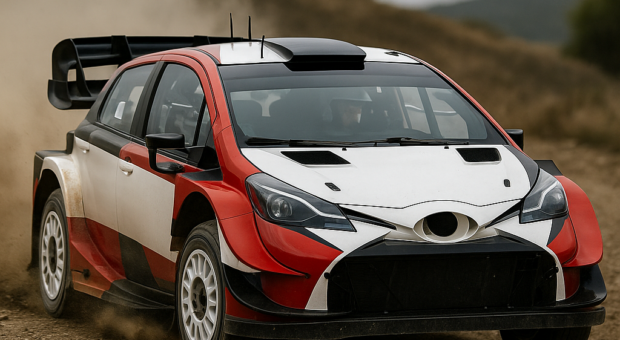
Mastering Rally Cars for Long and Demanding Stages: Technical Insights and Strategy
Overview: Understanding Rally Cars for Endurance Stages
Long and demanding rally stages, often stretching over 50 kilometers or more, push both driver and machine to their limits. Unlike shorter special stages where outright speed dominates, endurance rally legs require a balance of performance, reliability, and adaptability to varying terrain. Rally cars best suited for these gruelling tests combine robust engineering with flexible setups, enabling teams to maintain pace without compromising vehicle integrity.
Success in long stages isn’t just about raw power—it hinges on rally car reliability, efficient rally suspension setups, and smart rally team strategy. Preparing a vehicle for these conditions requires a deep understanding of rally regulations, terrain challenges, and how to optimize the car’s mechanical and electronic systems for sustained performance.
Key Technical Points for Rally Car Setup on Long Stages
Rally Suspension and Durability
Long stages often traverse unpredictable surfaces—from rough gravel roads to fast tarmac sections—so suspension setup is critical.
- Reinforced suspension components: Teams upgrade dampers, control arms, and bushes to withstand continuous high loads and impacts.
- Adjustable dampers: Allow drivers or engineers to fine-tune rebound and compression rates depending on stage feedback.
- Increased suspension travel: Helps absorb big bumps and reduces the risk of bottoming out, which can cause mechanical failures.
- Anti-roll bars tuning: Softer anti-roll bars can improve traction over rough terrain, while stiffer bars help maintain handling precision on smoother sections.
Engine and Cooling Management
Endurance stages demand engines that can maintain high power output without overheating or degrading.
- Optimized cooling systems: Larger radiators, improved airflow channels, and additional oil coolers prevent overheating during long runs.
- Engine mapping: Calibrated to balance power and fuel efficiency, ensuring the car doesn’t run rich or lean under prolonged stress.
- Durability upgrades: High-quality components like forged pistons and reinforced crankshafts reduce wear and risk of failure.
Tires and Wheel Setup
Tire choice and wheel alignment play an outsized role in long-stage performance and reliability.
- Tire compounds selection: Softer compounds offer grip but may degrade quickly, while harder compounds last longer but sacrifice some traction.
- Gravel vs tarmac setup: For mixed surfaces, teams may opt for intermediate tires or adjust pressures to find a compromise.
- Camber and toe adjustments: Slightly reduced aggressive camber angles can extend tire life without overly sacrificing cornering grip.
- Spare tire strategy: Carrying spares is essential for long stages to avoid time loss due to punctures.
Stage Conditions Impacting Rally Car Setup and Strategy
Gravel Versus Tarmac Rally Stages
Long gravel stages demand a different approach than asphalt legs.
- Gravel setup: Softer suspension, raised ride height, and protective underbody plates help handle loose surfaces and rocks.
- Tarmac setup: Lower ride height, stiffer suspension, and precise steering response improve handling on smooth roads.
Mixed Surface and Variable Weather Challenges
Many long stages combine multiple surfaces or are affected by sudden weather changes.
- Flexible rally car setup: Adjustable suspension and tire pressure during service intervals allow adaptation to evolving conditions.
- Weather considerations: Rain or dust drastically affect grip—wet gravel becomes slippery mud, while dry gravel can be loose and dusty.
- Stage reconnaissance: Drivers and co-drivers use pace notes to anticipate tricky sections and adjust their driving style accordingly.
Rally Team Strategy for Endurance Rally Stages
Managing Pace and Mechanical Sympathy
In long and demanding stages, pushing flat out can risk damaging key components.
- Balanced pace strategy: Teams instruct drivers to maintain consistent lap times, avoiding unnecessary risks.
- Monitoring telemetry data: Vital for detecting early signs of overheating, suspension issues, or tire degradation.
- Service intervals planning: Teams decide which components to inspect or replace during scheduled stops based on stage length and conditions.
Co-Driver’s Role in Long Stages
Accurate pace notes and communication become even more critical as fatigue sets in.
- Detailed pace notes: Include information on surface changes, hazards, and braking points to optimize driver confidence.
- Communication efficiency: Minimizing distractions and ensuring clear calls help maintain rhythm during extended stages.
Common Mistakes in Rally Car Setup and Strategy on Long Stages
Overemphasis on Speed Over Reliability
Many teams push for maximum speed at the cost of mechanical wear, leading to retirements.
- Excessive engine tuning without adequate cooling can cause overheating.
- Aggressive suspension settings may result in broken components or poor handling on rough sections.
Neglecting Tire Management
Ignoring the balance between grip and durability often leads to premature tire wear and punctures.
- Using soft tires on abrasive gravel can cause rapid degradation.
- Incorrect tire pressures can increase the risk of cuts or blowouts.
Insufficient Stage Reconnaissance and Pace Notes
Inaccurate or incomplete notes reduce driver confidence, causing mistakes or cautious driving.
- Underestimating hazards leads to crashes.
- Overly conservative notes may cost valuable time.
Applying These Insights to Real Rally Scenarios
For example, during the iconic Rally Finland, long fast gravel stages demand a rally suspension that can absorb high-speed jumps without compromising control. Teams employ reinforced dampers and longer travel suspension to handle the rough landings. Meanwhile, engine cooling is carefully managed to prevent overheating under the high-revving conditions.
At the Safari Rally Kenya, notorious for its punishing terrain and long distances between service parks, rally car reliability is paramount. Teams use skid plates, reinforced drivetrain components, and robust cooling systems to endure the harsh environment.
Rally Fans and Competitors: What This Means on Stage Day
Understanding the complexities behind rally car setups and team strategies for long and demanding stages adds a new layer of appreciation for the sport. Every suspension adjustment, engine calibration, and tire choice is a calculated decision shaped by regulations, terrain, and endurance demands.
For competitors, mastering these technical and strategic aspects can be the difference between finishing strong or retiring early. For fans, recognizing the challenges drivers and teams face enhances the thrill of watching their favorite rally championship update unfold on the world’s toughest roads.
See also our previous article: How suspension setup affects performance on gravel stages