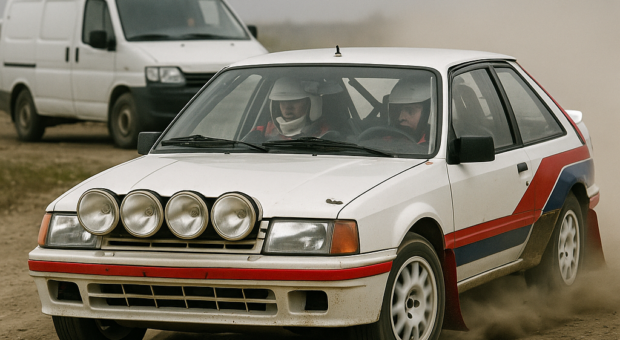
How to Verify a Rally Car’s Competition and Service History for Optimal Performance
In the high-stakes world of rally racing, knowing the detailed history of a rally car can make the difference between victory and retirement. Whether you’re a driver, team manager, or rally enthusiast, verifying a rally car’s competition and service history is crucial for assessing reliability, setup potential, and strategic planning. This guide breaks down the essential steps and technical insights to help you evaluate a rally car’s background with confidence.
Overview: Importance of Rally Car History Verification
Rally cars endure punishing stages ranging from rough gravel to slippery tarmac. Each competition entry and service session impacts the vehicle’s condition and performance. Understanding a car’s competition history reveals the types of stages it has tackled and the intensity of previous events. Meanwhile, analyzing service records shows how well the car was maintained, repaired, or upgraded.
By carefully verifying these histories, teams can:
- Identify potential reliability issues before purchase or competition
- Plan tailored rally car setups based on past performance
- Avoid hidden mechanical problems that could cause stage retirements
- Gauge how the car performs in different rally environments and regulations
Key Technical Points to Check in Competition History
When reviewing a rally car’s competition history, focus on data that reflects performance and wear factors.
Rally Event Types and Stage Conditions
- Surface types: Was the car primarily used on gravel, tarmac, or mixed surfaces? Gravel stages cause different wear on suspension and tires compared to smooth tarmac.
- Stage length and difficulty: Longer or more technical stages (e.g., WRC rally stages in Corsica or Finland) stress engines and brakes differently.
- Weather conditions: Rallies held in wet or snowy conditions impact transmission and electrical systems differently than dry events.
Example: A car frequently raced in high-speed gravel rallies like Rally Finland may have reinforced rally suspension components compared to one used mostly on asphalt.
Performance and Incident Records
- Number of stage finishes vs. retirements due to mechanical failure
- Any crashes or off-road incidents, and the severity of repairs
- Recorded stage times and overall rally finishes, indicating competitiveness and mechanical durability
Compliance With Rally Regulations
- Verification that the car’s modifications and parts comply with FIA rally regulations for its class
- Records of homologation updates or technical bulletins applied during competition
How to Analyze Service History for Rally Car Reliability
Service history reveals how the car was maintained between rallies and provides clues about potential hidden issues.
Detailed Maintenance Logs
- Dates and mileage of routine inspections and major overhauls
- Replacement records for critical components like the engine, gearbox, differentials, and rally suspension
- Use of OEM versus aftermarket parts
Specialized Rally Service Interventions
- Suspension setup changes for gravel vs tarmac stages
- Engine tuning adjustments based on altitude or temperature variations
- Brake system upgrades or pad replacements tailored for specific rally demands
Common Rally Car Service Indicators
- Frequent repairs to the drivetrain may indicate underlying reliability problems
- Regularly updated rally telemetry and diagnostic checks highlight a proactive approach to car management
- Clear documentation of service intervals consistent with rally regulations and team strategy
Stage Conditions and Their Impact on Rally Car History
Understanding the stage conditions where a rally car competed helps correlate wear and tear with performance data.
Gravel vs Tarmac Setup Adjustments
- Gravel setups typically use softer rally suspension with increased travel to absorb rough terrain
- Tarmac setups demand stiffer suspension and precise alignment for maximum grip on asphalt
- Checking if the car’s history shows systematic adjustments indicates a well-prepared vehicle
Weather and Terrain Challenges
- Muddy or snowy stages place extra strain on cooling systems and electrics
- Dusty desert rallies require enhanced air filtration and robust engine sealing
- Cars used in mixed conditions need adaptable service and setup strategies
Strategy Insights from Competition and Service History
Analyzing a rally car’s past campaigns can also inform team strategy and driver preparation.
Rally Team Strategy and Preparation
- How often was the car entered in back-to-back events without extended service? This may affect reliability.
- Service intervals planned around long WRC rally stages or dense regional rally calendars
- Adaptations to rally regulations that influenced car setup or service routines
Driver and Co-Driver Feedback Integration
- Records of driver feedback influencing suspension tuning or engine mapping
- Adjustments made after stages with specific challenges (tight hairpins, high-speed straights)
Common Mistakes When Verifying Rally Car Histories
Even experienced teams can overlook critical details when assessing a rally car’s background.
- Ignoring incomplete service records: Missing logs could hide serious mechanical issues.
- Overlooking the type of rally events entered: Not all rallies exert the same mechanical stress.
- Failing to verify compliance with current rally regulations: Non-compliant cars risk disqualification.
- Assuming all repairs were done professionally: Low-quality repairs can compromise safety and performance.
For rally fans and competitors alike, understanding a rally car’s full competition and service story is like reading the map to success. Whether prepping for a national championship or following the latest motorsport news, a car’s history reveals the layers of preparation and resilience behind every stage finish. Taking the time to verify this foundation ensures that every rally kilometer is met with confidence and precision.
See also our previous article: Rally cars best suited for long and demanding stages