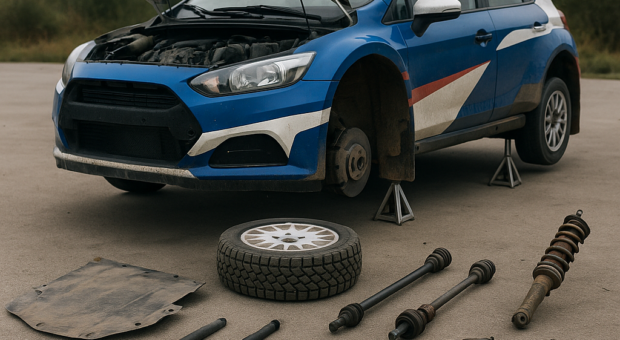
Most Common Rally Car Parts That Fail During a Rally Season and How to Prevent Breakdowns
Rally racing pushes cars and drivers to their limits across some of the toughest terrains in motorsport. Understanding which parts are most prone to failure during a rally season is essential for teams aiming to maximize reliability without sacrificing performance. This guide delves into the technical aspects of rally car reliability, covering critical components, stage conditions, and strategic approaches to minimize breakdowns.
Overview: The Importance of Rally Car Reliability in Competitive Motorsport
Rally cars face extreme stress over multiple stages, ranging from rough gravel tracks to fast tarmac sections. Unlike circuit racing, rally stages vary widely in surface, weather, and elevation, demanding versatile setups and robust components. Failures can cost valuable time or force retirement, directly affecting championship standings.
Teams balance aggressive rally car setups with durability, often tweaking suspension, drivetrain, and engine components to withstand impacts, vibrations, and heat. Monitoring and maintaining the most vulnerable parts throughout a rally season is key to consistent finishes.
Key Technical Points: Parts Most Prone to Failure in Rally Cars
Rally Suspension: The Frontline Against Harsh Terrain
- Shock absorbers and struts endure repeated heavy impacts from jumps, rocks, and potholes.
- Damaged or leaking dampers lead to poor handling and increased stress on other components.
- Frequent inspection and replacement intervals are critical; some teams rebuild suspensions every few stages.
- Example: At gravel-heavy WRC rally stages like Rally Finland, suspension failures spike due to high-speed jumps and uneven surfaces.
Transmission and Drivetrain: Handling Torque and Terrain
- Gearboxes and differentials experience immense loads, especially in tight, technical stages.
- Overheating or oil starvation can cause gear wear or failure mid-stage.
- CV joints and driveshafts often suffer from debris impacts or misalignment.
- Real rally scenarios show frequent gearbox issues in wet and muddy conditions, where traction is inconsistent.
Engine Components: Balancing Power and Durability
- Engines run at peak RPMs for extended periods, risking overheating and component wear.
- Turbochargers, intercoolers, and radiators are vulnerable to clogging from dust and mud.
- Cooling system failures are common in long stages with limited airflow.
- Teams use rally regulations allowances to optimize engine cooling and ensure consistent power delivery.
Brake Systems: Vital for Stage Control and Safety
- Brake pads and discs wear rapidly, especially on tarmac or mixed-surface rallies.
- Overheating brakes can lead to fading or failures, jeopardizing stage times and driver safety.
- Dust and debris infiltration accelerate component degradation.
- Strategic brake pad changes and cooling duct setups are essential during rally stages with frequent heavy braking.
Stage Conditions: How Terrain Affects Rally Car Parts Durability
Gravel vs Tarmac Setup Implications on Part Wear
- Gravel stages demand reinforced suspension components, skid plates, and higher ground clearance.
- Gravel’s loose surface causes more shock absorber stress and increased risk of underbody damage.
- Tarmac stages put more strain on brakes, tires, and transmission precision.
- Switching between these setups requires careful component checks to avoid failures during transitional rallies.
Weather and Environmental Factors
- Rain, mud, and dust increase the likelihood of clogging radiators, filters, and brakes.
- Cold temperatures affect lubrication and can cause brittle failures in suspension bushings or drivetrain seals.
- Hot conditions challenge cooling systems and engine reliability.
- Rally teams often adapt their rally car setup with additional protection layers and different fluid choices depending on forecasted stage conditions.
Strategy Insights: Rally Team Approaches to Minimize Mechanical Failures
Preventive Maintenance and Stage-by-Stage Inspections
- Teams perform thorough checks during service breaks, including detailed suspension, drivetrain, and brake inspections.
- Use of telemetry data helps identify emerging issues before they lead to failures.
- Scheduling component replacements aligned with rally regulations and mileage limits.
Optimizing Rally Car Setup for Reliability Without Sacrificing Speed
- Balancing stiff suspension settings for performance with enough compliance to absorb impacts.
- Selecting gear ratios that reduce gearbox strain on technical stages.
- Choosing brake compounds that provide consistent performance across mixed conditions.
Adhering to Rally Regulations to Avoid Penalties
- Compliance with parts homologation rules limits some modifications but encourages innovation within allowed parameters.
- Teams must manage component wear without exceeding usage limits that would trigger penalties.
Common Mistakes Leading to Rally Car Part Failures
- Overlooking minor suspension damage early in the event, leading to catastrophic failure on subsequent stages.
- Aggressive driving styles that put excessive strain on transmissions and brakes.
- Inadequate cooling system maintenance, causing overheating in prolonged high-speed sections.
- Insufficient adaptation to changing stage conditions, such as failing to switch brake pads suitable for wet or dry surfaces.
For rally fans and competitors alike, understanding the parts most vulnerable during a rally season sheds light on the behind-the-scenes battle for reliability. Staying ahead in the rally championship not only demands speed and skill but also an unwavering focus on mechanical endurance throughout the punishing WRC rally stages.
See also our previous article: Parts that fail most often during a rally season