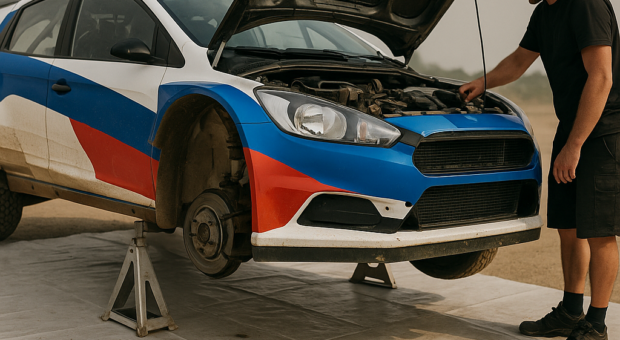
How Often Does a Rally Car Really Need Servicing During the Season? A Technical Breakdown
Rally racing pushes cars and drivers to their limits across diverse terrain, making regular servicing essential for performance and safety. But how often do rally cars actually need servicing during a competitive season? This guide delves into the technical realities behind rally car maintenance, rally car setup adaptations, and team strategies that determine service intervals in the fast-paced world of rally competition.
Overview: Understanding Rally Car Servicing Frequency
Rally cars face extreme mechanical stress, from jumps on gravel stages to tight cornering on tarmac. Unlike circuit racing, rally teams work within strict rally regulations that govern service times and intervals. Typically, servicing happens during scheduled service breaks at rally events, but between these, proactive maintenance is vital.
- Service intervals are influenced by: stage length, surface type, weather, and car setup.
- Rally regulations usually allocate fixed service times during which teams can repair and adjust cars.
- Between events, comprehensive overhauls ensure rally car reliability for the next rally.
Key Technical Points Impacting Rally Car Maintenance
Rally Suspension and Component Wear
Rally suspension endures massive loads, especially on rough gravel or snow stages. Components like dampers, springs, and wishbones wear faster compared to road cars.
- Gravel stages cause rapid wear on suspension bushes and arms due to high impacts.
- Tarmac stages stress braking systems and tires more but put less strain on suspension travel.
- Teams often replace or rebuild suspension parts after every rally or even between long stages.
Engine and Transmission Stress
Engines are tuned for maximum torque and power delivery, but this also increases wear.
- High-revving engines require oil and filter changes every few hundred kilometers.
- Transmission and differential units, particularly sequential gearboxes, demand frequent inspections for wear and overheating.
- Cooling systems must be checked regularly to avoid overheating during intense WRC rally stages.
Brake System Maintenance
Brakes are heavily used, especially on tight, technical WRC rally stages.
- Brake pads and discs often need replacement after one or two full rally days.
- Brake fluid is typically flushed and replaced after each rally to maintain optimum performance.
- Rally team strategy includes monitoring brake wear to avoid failure on critical stages.
Stage Conditions Dictate Servicing Needs
Gravel vs Tarmac Setup and Maintenance
Different surfaces drastically affect how often components need servicing.
- Gravel stages: More abrasive, causing faster tire and suspension wear. Teams inspect underbody protection and clean filters frequently.
- Tarmac stages: Higher brake and tire temperatures, requiring more frequent brake system servicing but less suspension overhaul.
- Mixed surface rallies: Teams must balance between setups, often increasing service complexity and frequency.
Weather and Environmental Factors
Rain, mud, dust, and snow impact servicing intervals.
- Mud and dust clog air filters and radiators, requiring more frequent cleaning.
- Snow and ice can cause corrosion and demand additional checks on seals and electrical systems.
- Teams adapt rally car setup and maintenance plans based on forecasted conditions.
Rally Team Strategy: Balancing Performance and Reliability
Strategic Service Planning During Rally Events
Rally regulations define fixed service park times, usually 30 minutes to 45 minutes every 60-90 kilometers of stages.
- Teams prioritize repairs that impact reliability first, such as suspension damage or engine overheating.
- Adjustments to rally car setup, like changing damping settings for upcoming stages, happen during these service windows.
- Quick diagnostics and efficient teamwork reduce time lost in service.
Between-Event Overhaul and Preventative Maintenance
After each rally, rally cars undergo detailed inspections and overhauls.
- Engines are often rebuilt or refreshed after multiple rallies depending on mileage and wear.
- Suspension components are disassembled, inspected, and replaced proactively.
- Data from on-board sensors and driver feedback guide maintenance focus areas.
Common Mistakes in Rally Car Servicing and Their Consequences
- Ignoring early warning signs: Failure to address minor suspension damage early can lead to catastrophic failure on later stages.
- Overextending service intervals: Trying to stretch oil or brake fluid changes beyond recommended limits risks component damage.
- Inadequate cleaning: Not properly cleaning air filters and radiators increases engine overheating risk.
- Underestimating stage conditions: Using a gravel setup on tarmac stages or vice versa can increase wear and the frequency of needed servicing.
Rally Car Reliability and How Servicing Affects Championship Success
Consistent servicing and maintenance are key to rally car reliability, directly affecting championship outcomes.
- Top WRC teams invest heavily in post-stage and post-rally servicing to minimize DNFs (Did Not Finish).
- Effective servicing strategies enable drivers to push harder, knowing the car can withstand the punishment.
- Motorsport news frequently highlights teams that innovate in service efficiency as gaining competitive edges.
For rally fans and competitors alike, understanding the demanding maintenance cycles behind rally cars enhances appreciation for every stage completed and every finish line crossed. The intricate balance between performance tuning and mechanical reliability is what makes rally racing a true test of man and machine.
See also our previous article: How to verify a rally car’s competition and service history