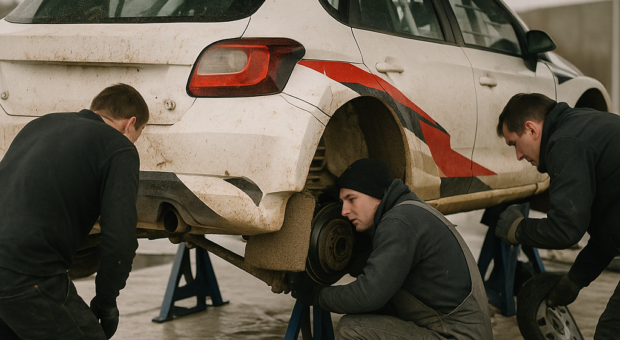
How Often Should a Rally Car Be Serviced During a Rally Season? Expert Insights on Rally Car Maintenance and Strategy
Rally racing is one of the most demanding motorsports disciplines, testing both driver skill and vehicle durability across varied terrain and extreme conditions. One of the critical factors for success in rally championships is how well a rally car is maintained throughout the season. Understanding the servicing frequency, technical needs, and strategic planning behind rally car maintenance can significantly influence performance on WRC rally stages and other competitive events.
Overview: The Importance of Regular Rally Car Servicing
Rally cars operate in harsh environments — from gravel roads to tarmac stages — with constant high-speed impacts, rapid acceleration, and intense braking. Unlike circuit racing, rally vehicles face unpredictable surfaces, weather changes, and long competitive days, making reliability paramount.
Servicing a rally car isn’t just about routine oil changes or brake checks. It involves comprehensive inspections, suspension tuning, drivetrain adjustments, and component replacements aligned with rally regulations and team strategies.
Key questions often arise:
- How frequently should a rally car be serviced during a rally season?
- What are the critical areas to focus on after each rally or stage?
- How do stage conditions affect maintenance schedules?
This guide breaks down these aspects to offer a clear understanding of rally car setup, servicing intervals, and strategic maintenance planning.
Key Technical Points: What Does Rally Car Servicing Entail?
The servicing requirements for rally cars depend on the event format, number of stages, and cumulative mileage. Here’s what a typical rally car service covers:
Engine and Transmission Checks
- Oil and Filter Changes: Essential after every rally event or every 400-600 competitive kilometers. Oil degrades faster under rally conditions, affecting engine longevity.
- Gearbox Inspection: Rally gearboxes endure frequent gear shifts and shocks, requiring inspections for wear and fluid replacement at least every 2-3 rallies.
- Clutch Replacement: Clutch wear varies widely; some teams replace clutches mid-season to avoid failures during critical stages.
Suspension and Chassis Maintenance
- Rally Suspension Tuning: Gravel vs tarmac setup demands different suspension settings. After gravel rallies, components like dampers and springs must be inspected for damage and adjusted accordingly.
- Bushing and Linkage Checks: These parts absorb impacts; wear can cause handling issues. Teams often replace or refurbish suspension bushings after rough stages.
- Chassis Integrity: After particularly rough events, frame inspections help detect cracks or structural fatigue.
Brake System Servicing
- Pad and Disc Inspection: Brake wear is significant, especially on tarmac stages. Pads are often replaced between rallies, discs checked for warping.
- Brake Fluid Replacement: Ensures consistent brake feel and prevents boiling under heavy use.
Tires and Wheels
- Wheel Alignment and Balance: Critical for predictable handling; adjusted per rally surface.
- Wheel Hub and Bearing Checks: Frequent impacts can loosen or damage hubs, requiring close monitoring.
Stage Conditions and Their Impact on Rally Car Maintenance
Different rally stages impose unique stresses on the car, influencing how often and what type of servicing is needed.
Gravel vs Tarmac Setup
- Gravel Stages: Loose surfaces cause more suspension wear and increased risk of underbody damage. Teams often perform more frequent suspension servicing and protective checks.
- Tarmac Stages: Higher speeds and sharp braking put more strain on brakes and tires, increasing the frequency of brake pad replacements and tire changes.
Weather and Terrain Factors
- Muddy or wet stages lead to accelerated corrosion and increased component cleaning.
- Snow or ice rallies require specialized tire fitting and often reveal hidden suspension issues due to slippery conditions.
Rally Team Strategy: Balancing Performance and Reliability
Teams develop servicing schedules based on rally regulations, stage distances, and historical data on component lifespan.
Service Intervals Defined by Rally Regulations
- Typical World Rally Championship (WRC) weekends allow fixed service times between stages and legs.
- Full service days occur after every 2-3 days of competition, where teams perform in-depth maintenance.
- Limited service zones during rally legs require prioritizing critical checks and quick repairs.
Balancing Aggression and Preservation
- Drivers pushing aggressively may increase wear, forcing teams to adjust maintenance plans.
- Teams monitor telemetry and component health in real-time to predict servicing needs.
- Preventive maintenance helps avoid costly mechanical failures that can lead to rally retirements.
Common Mistakes in Rally Car Servicing and How to Avoid Them
Even experienced teams can slip up in servicing, risking performance and safety:
- Neglecting Suspension Inspections: Failing to spot damaged dampers after rough gravel stages can cause poor handling and increased tire wear.
- Overlooking Brake Fluid Condition: Old brake fluid reduces braking efficiency, especially on fast tarmac sections.
- Inadequate Tire Management: Using worn tires or improper pressures can lead to punctures and slower stage times.
- Ignoring Small Chassis Cracks: Minor damage left unchecked can escalate, compromising the car’s structural integrity.
Real Rally Scenario: Servicing in Action at a WRC Gravel Event
At a typical WRC gravel rally, such as Rally Finland, cars cover over 300 competitive kilometers on fast, rough roads. Teams schedule:
- Nightly full service: Oil change, suspension rebuild, brake pad swap, and thorough inspection.
- Mid-leg quick checks: Tire pressure adjustments, damage assessment, and minor repairs within the allowed service time.
- Component rotation: Swapping in fresh parts like brake discs or clutch components before critical stages to maintain peak performance.
Final Thoughts for Rally Enthusiasts and Competitors
Understanding how often a rally car needs servicing during a rally season highlights the intricate balance between pushing the limits and preserving vehicle reliability. Whether you’re a passionate rally fan, aspiring driver, or part of a rally team, appreciating the technical demands and strategic planning behind rally car maintenance enriches the motorsport experience.
Keeping a rally car in optimal condition is not just about scheduled maintenance but reacting smartly to stage conditions, driver style, and evolving rally regulations. This knowledge can make the difference between finishing strong or facing a costly retirement on the road to championship glory.
See also our previous article: Rally cars known for season-long reliability