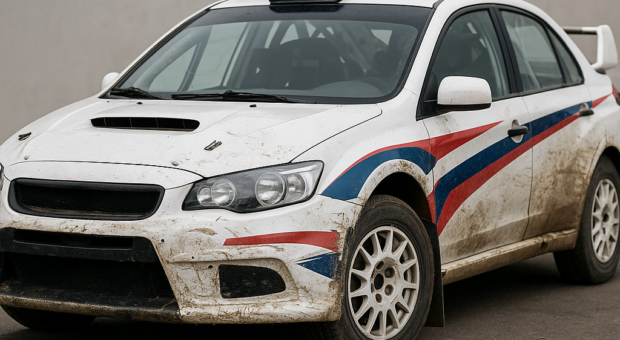
How to Spot Accident Repairs on a Rally Car: A Detailed Guide for Rally Fans and Teams
Overview: Why Identifying Accident Repairs Matters in Rally Motorsport
Rally cars endure some of the harshest conditions in motorsport, from gravel to tarmac stages, often pushing the limits of durability and driver skill. Due to the intense nature of rally competition, accident repairs are common and sometimes necessary between stages or rally legs. Spotting these repairs can provide insights into a team’s rally strategy, the car’s reliability, and potential performance impacts on upcoming WRC rally stages.
Understanding how to identify accident repairs on rally cars alerts rally fans, journalists, and even rival teams to hidden challenges behind the scenes. This knowledge deepens appreciation for the resilience of vehicles and the quick turnaround work done by rally crews under strict rally regulations.
Key Technical Points: Typical Signs of Accident Repairs on Rally Cars
Rally car accident repairs vary widely—from minor bodywork fixes to major chassis reinforcements. Here are some technical clues to watch for:
Visible Bodywork Changes and Paint Irregularities
- Uneven panel gaps: Misalignment between doors, fenders, or bumpers can indicate replaced or repaired panels.
- Color mismatches: Slight differences in paint tone or texture, even under rally dirt, suggest touch-ups or new panels.
- Non-original rivets or weld marks: Aftermarket repairs often leave visible welding spots or rivets differing from factory assembly.
- Temporary tape or zip ties: Sometimes used to hold panels or trim together after damage during a rally stage.
Suspension and Undercarriage Repairs
- New or mismatched suspension components: Replacement suspension arms or struts might have different markings or paint.
- Fresh grease or clean areas: Compared to typically dirty undercarriage parts, clean spots may signal recent repair or inspection.
- Non-standard fasteners: Quick repairs may use bolts or nuts differing from standard rally car setup.
Chassis and Frame Integrity Checks
- Rally regulations require chassis to remain homologated, but accident repairs might include:
– Reinforcement plates welded inside the chassis.
– Slight frame straightening visible in suspension mounting points.
– Inspection stickers or technician markings indicating post-accident certification.
Stage Conditions Impacting Accident Repairs and Rally Car Setup
Accident repairs are often influenced by the type of rally stage and surface:
Gravel vs Tarmac Setup and Repair Challenges
- Gravel stages feature loose surfaces, increasing the risk of suspension and underbody damage from rocks and jumps.
- Repairs might focus on reinforcing skid plates, replacing suspension links, or fixing body panels damaged by flying debris.
- Tarmac stages can lead to high-speed impacts with barriers or crashes on tight corners, resulting in panel damage or wheel alignment corrections.
Harsh Weather and Repair Durability
- Mud, rain, and dust can conceal repair quality temporarily but may degrade quick-fix materials like tape or putty.
- Teams often prioritize repair methods that withstand upcoming stage conditions, balancing speed and durability.
Strategy Insights: How Accident Repairs Influence Rally Team Tactics
Rally teams must decide whether to invest time in thorough repairs or quick fixes depending on rally regulations and stage demands.
Rally Regulations on Repairs and Time Penalties
- Rally rules often restrict the time allowed for repairs during service breaks.
- Teams may accept minor performance losses to avoid time penalties, opting for temporary fixes.
- Some repairs require scrutineering or approval by rally officials, impacting repair decisions.
Impact on Rally Car Reliability and Performance
- Even small repairs can affect rally suspension geometry, aerodynamics, and weight distribution.
- Drivers and co-drivers adjust pace and driving style based on known damage or repair limits.
- Teams may alter rally car setup for remaining stages to compensate for compromised parts.
Common Mistakes When Trying to Spot Accident Repairs on Rally Cars
Overlooking Dirt and Rally Dust Effects
- Dirt accumulation can mask paint differences or panel gaps.
- Always check multiple angles and clean areas like wheel arches or underbody for signs.
Confusing Normal Rally Wear with Repairs
- Scratches, stone chips, and dents are normal yet don’t always indicate structural repairs.
- Look for consistent repair patterns like fresh welds or new components rather than superficial damage.
Ignoring Rally Service Documentation
- Rally service notes or team communications often reveal repair work.
- Combining visual inspection with official information provides a fuller picture.
For rally enthusiasts and competitors alike, understanding how to identify accident repairs offers a window into the resilience and rapid problem-solving that define rally motorsport. Next time you watch a rally or analyze team setups, spotting these subtle signs enriches your appreciation for the sport’s technical complexity and the incredible teamwork behind every stage.
See also our previous article: Maintenance cost comparison: factory teams vs private teams