How Competition Mileage Impacts Real Rally Car Wear and Reliability
Rallying is one of the most demanding motorsports, pushing cars and crews to their limits across varied terrain and challenging conditions. For teams and drivers aiming for the podium, understanding how competition mileage affects rally car wear is essential to optimize performance, ensure reliability, and plan effective rally team strategies.
Overview: Why Competition Mileage Matters in Rallying
Competition mileage—the distance a rally car covers during special stages and liaison sections—directly influences the mechanical stress and wear experienced by critical components. Unlike circuit racing, rally cars do not run on smooth tracks but endure rough gravel, abrasive tarmac, snow, and mud. Each stage’s length and condition contribute to cumulative wear on the engine, suspension, transmission, brakes, and tires.
Teams must balance pushing the car hard to gain time with preserving its reliability. Even with advanced rally car setups, accumulated mileage can lead to component fatigue or failure if not managed correctly.
Key Technical Points: Rally Car Wear Factors
Engine and Transmission Stress
- High rpm and torque demands: Rally engines often operate at elevated rpm for prolonged periods, increasing thermal and mechanical stress.
- Frequent gear changes: Manual sequential gearboxes undergo rapid shifts, escalating wear on synchromesh and dog rings.
- Heat cycles: Long stages, especially in hot climates, challenge cooling systems and can accelerate engine wear.
Suspension and Rally Suspension Setup
- Gravel and rough stages cause continuous impacts on shocks, springs, and bushings.
- Rally suspensions are designed with long travel and reinforced components, but repeated heavy landings and potholes still cause wear over miles.
- Gravel vs tarmac setup differences affect suspension stiffness and durability; softer gravel setups absorb impacts but risk faster component fatigue.
Brake Systems and Tire Wear
- Long, technical stages with frequent braking zones increase pad and disc wear.
- Brake overheating can lead to reduced performance and component damage.
- Tire wear rates vary drastically by surface; abrasive gravel stages erode tires faster than smooth tarmac.
Stage Conditions: How Terrain Influences Rally Car Wear
Different WRC rally stages impose unique challenges on car reliability and wear patterns:
Gravel Stages
- High abrasion on skid plates, underbody, and tires.
- Increased risk of suspension damage due to rough surfaces and hidden rocks.
- Example: Rally Finland’s fast gravel stages feature jumps and landings that stress suspension and chassis.
Tarmac Stages
- Higher average speeds with more aggressive braking zones.
- Brake systems experience intense heat cycles.
- Suspension setup is stiffer, leading to different wear dynamics compared to gravel.
Mixed Surface and Weather
- Sudden surface changes require adaptable rally car setups.
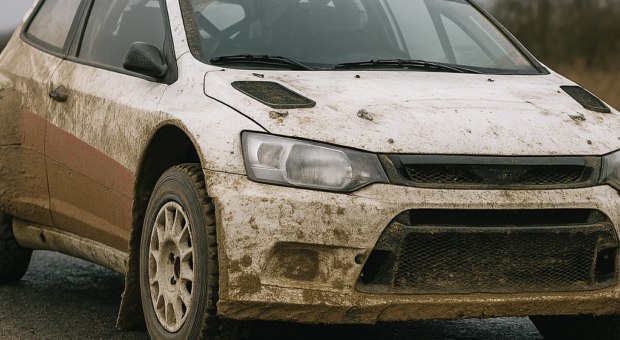
- Rain or mud increase the risk of mechanical issues like clogged radiators or accelerated corrosion.
- Example: Corsica Rally’s narrow, twisty tarmac with variable weather tests both driver skill and car durability.
Strategy Insights: Managing Mileage for Rally Car Reliability
Effective rally team strategy extends beyond driver skill. Managing competition mileage is about anticipating wear and scheduling maintenance:
- Pre-rally preparation: Inspect and replace wear-prone parts before events with long stages or rough terrain.
- Service intervals: Rally regulations dictate service park times; teams must prioritize critical repairs within limited windows.
- Driver pacing: Experienced drivers balance aggression with mechanical sympathy, avoiding unnecessary strain on the car.
- Component rotation: Using multiple sets of suspension arms, brake pads, and tires across events to spread wear.
For example, during a rally championship update, top teams often reduce engine rpm in liaison sections to preserve engine health, despite no time pressure.
Common Mistakes That Accelerate Rally Car Wear
- Ignoring early warning signs: Strange noises, vibration, or handling changes may indicate developing issues.
- Over-pushing on demanding stages: Excessive jumps or aggressive cornering can cause suspension failures.
- Inadequate setup adjustments: Using a tarmac setup on gravel stages can increase component fatigue.
- Poor maintenance routines: Skipping detailed inspections between rally legs leads to cumulative damage.
Balancing Competition Mileage and Reliability: Final Thoughts for Rally Enthusiasts
Understanding how competition mileage affects real rally car wear is crucial for teams aiming to compete at the highest level. Rally fans and competitors alike appreciate the fine balance between outright speed and mechanical endurance. As rally regulations evolve and stages continue to challenge cars in new ways, the interplay between stage conditions, rally car setup, and team strategy will remain at the heart of motorsport news and rally championship updates worldwide.
See also our previous article: How often a rally car really needs servicing during the season