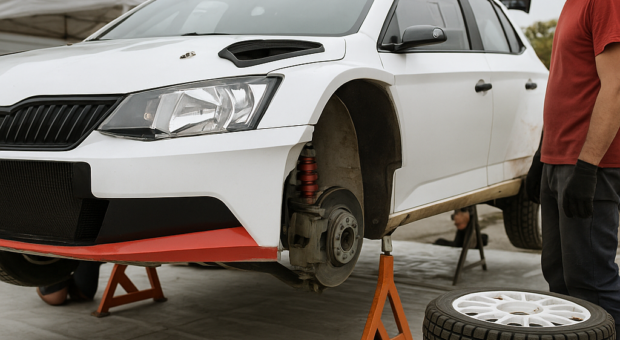
How Often Does a Rally Car Really Need Servicing During the Rally Season?
Rally racing pushes vehicles to their limits across varied terrains and punishing conditions. For teams competing in WRC rally stages or national championships, understanding the servicing frequency of rally cars is crucial for maintaining peak performance and reliability. This article dives into the technical, strategic, and regulatory aspects that dictate how often a rally car requires servicing throughout a rally season.
Overview of Rally Car Servicing Intervals
Rally cars face extreme stress from gravel, tarmac, snow, and mixed-surface stages. Unlike standard motorsport vehicles, rally cars must balance aggressive performance with rugged durability. The servicing schedule is influenced by:
- Rally regulations: Rules define permitted service times and intervals.
- Stage length and conditions: Longer or rougher stages may require more frequent checks.
- Car setup and components: Gravel vs tarmac setup impacts wear on suspension and tires.
- Team strategy: Balancing speed gains vs mechanical preservation.
Typically, rally cars undergo servicing during official service parks after groups of stages. But how often they truly need servicing depends on many factors.
Key Technical Points Affecting Rally Car Servicing Frequency
Rally Suspension and Chassis Durability
Rally suspension endures constant impacts from jumps and rough terrain. Gravel setups with reinforced dampers and higher travel can handle more abuse but need close inspection after every loop of stages.
- Shock absorbers: Require inspection and possible oil changes or rebuilds every 50–100 competitive kilometers.
- Suspension bushings and mounts: Tend to wear quickly on rocky or uneven surfaces.
- Chassis and subframe checks: To detect cracks or damage from hard landings or collisions.
Engine and Transmission Maintenance
Engines tuned for rally use generate high power and torque, often at high RPM ranges. Heat and dirt ingress are major concerns.
- Oil and filter changes: Usually done after each rally leg or service interval, roughly every 100–150 km of competitive stages.
- Clutch and gearbox servicing: Gearboxes with sequential systems may need clutch replacements or gear inspections after 300–400 km, depending on driving style and terrain.
- Cooling system checks: Essential after dusty gravel stages to prevent overheating.
Brake and Tire Wear
Brake components and tires directly influence stage times and reliability.
- Brake pads and discs: Inspected after every stage loop; worn pads replaced as necessary.
- Tires: Swapped frequently, often after every stage, depending on surface (soft compounds on gravel, harder on tarmac).
Understanding Stage Conditions to Plan Servicing
Gravel vs Tarmac Rally Car Setup and Impact on Service
Gravel stages are rough and abrasive, increasing wear on:
- Suspension components.
- Underbody protection.
- Air filters clogged by dust.
Tarmac stages are less punishing mechanically but stress brakes and tires more due to higher speeds and hard braking.
Effects of Weather and Terrain on Servicing Needs
Rain or mud can accelerate component wear and clog cooling systems. Snow and ice require specialized setups but generally cause less mechanical wear, allowing for longer service intervals.
- Muddy stages increase the need for cleaning and inspecting brake ducts and radiators.
- Rocky stages demand thorough suspension and undercarriage checks after each loop.
Rally Team Strategy: Balancing Performance and Reliability
Service Park Regulations and Time Limits
Rally regulations restrict service park time — often 45 minutes to 1 hour between groups of stages. Teams must:
- Prioritize critical repairs and maintenance.
- Perform rapid tire and brake changes.
- Monitor key components via telemetry to anticipate failures.
Strategic Service Frequency Decisions
Teams sometimes opt for minimal servicing to save time, especially in tight championship battles. Others choose thorough servicing to ensure reliability over the long haul.
- Some WRC teams have service intervals after every 3–4 stages.
- During longer endurance rallies, such as in the FIA European Rally Championship, servicing may occur less frequently but involve more comprehensive checks.
Common Mistakes in Rally Car Servicing Scheduling
- Underestimating component fatigue: Leads to mechanical failures mid-stage.
- Over-servicing: Wastes valuable time and resources, affecting overall rally time.
- Ignoring stage-specific wear: Not adjusting service plans based on gravel vs tarmac or weather conditions.
- Poor communication between driver and service crew: Missing signs of developing issues.
Real Rally Scenarios Demonstrating Servicing Needs
At the iconic Rally Finland, high-speed jumps and rough gravel demand shock absorber rebuilds after each leg to maintain performance and safety. Conversely, Rally Germany’s predominantly tarmac stages lead teams to focus on brake pad replacements and tire swaps every service interval, with suspension checks being less frequent.
During the demanding Safari Rally, teams may schedule additional mid-day servicing to address intense dust and heat impacts, showcasing how rally championship updates and regulations influence service strategies.
For rally fans and teams alike, appreciating the intricate balance between servicing frequency and rally car reliability adds depth to following the sport. Every service session is a strategic opportunity to keep cars competitive and drivers confident, making the service park as critical as the stages themselves.
See also our previous article: Production-based rally cars: what stays stock and what changes