Common Maintenance Mistakes That Lead to Rally Car Retirements: A Technical Guide for Teams and Drivers
Rallying is one of the most demanding motorsports disciplines, pushing cars and crews to their limits across a variety of terrains and weather conditions. While driver skill and team strategy are crucial, the reliability of the rally car itself often determines whether a crew finishes or retires from an event. Many retirements stem from avoidable maintenance errors that compromise a car’s durability and performance during intense WRC rally stages.
This article breaks down the most frequent maintenance mistakes in rally car preparation and servicing, offering technical insights to help teams improve rally car reliability and avoid costly breakdowns. Whether you’re a rally mechanic, driver, or enthusiast, understanding these pitfalls can enhance your rally championship update and motorsport news knowledge.
Overview: The Importance of Rally Car Maintenance in Competitive Events
Rally cars are subjected to extreme stresses — rapid changes in speed, rough gravel stages, tight tarmac sections, and unpredictable weather. The combination of grueling stage conditions and tight service intervals demands precise maintenance routines.
Neglecting even small technical details can cause mechanical failures such as suspension collapse, engine overheating, or transmission damage. These failures often force retirements, wasting months of preparation and championship points.
Effective rally car maintenance balances thorough inspections with quick, targeted repairs during service breaks. Teams must anticipate component fatigue, damage risks, and comply with rally regulations governing parts changes and service times.
Key Technical Points in Rally Car Maintenance
Rally Suspension: The Backbone of Reliability
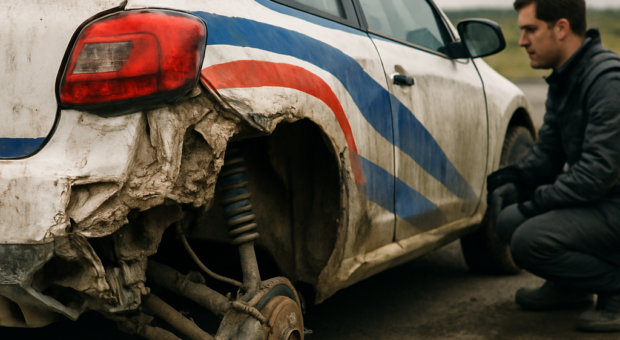
The rally suspension system endures constant impacts from jumps, rocks, and uneven surfaces, especially on gravel vs tarmac setups. Common errors include:
- Inadequate shock absorber servicing: Failure to replace worn seals or check damping rates can cause fluid leaks or reduced suspension response, leading to loss of control or component failure.
- Incorrect suspension geometry adjustments: Misaligned camber or toe settings reduce tire grip and accelerate component wear.
- Neglecting suspension bushes and joints: Worn or cracked bushes increase stress on arms and mounts, risking breakage mid-stage.
Engine and Cooling Systems
Rally engines run at high RPMs for prolonged periods, which demands meticulous upkeep:
- Skipping spark plug checks or replacements: Fouled plugs cause misfires and reduced power output.
- Ignoring cooling system leaks or radiator blockages: Overheating can result in engine seizure, especially on long hot stages.
- Using incorrect oil grades or infrequent oil changes: Poor lubrication accelerates engine wear and risks catastrophic failure.
Transmission and Drivetrain Care
The rally transmission transmits power through challenging conditions:
- Neglecting gearbox oil changes: Contaminated or degraded oil increases gear wear and can cause transmission lock-ups.
- Overlooking clutch wear or adjustment: A slipping clutch reduces acceleration and can fail under load.
- Failing to inspect differentials and driveshafts: Damaged CV joints or differential internals often result in sudden power loss.
Stage Conditions and Their Impact on Maintenance
Gravel vs Tarmac Setup Challenges
Rally teams adjust car setups based on stage surfaces. Gravel stages demand more robust suspension and additional underbody protection, while tarmac setups focus on precision handling.
- Gravel stages increase the risk of suspension damage, punctures, and debris ingress to cooling systems.
- Tarmac stages stress brakes and tires differently, requiring careful pad and tire monitoring.
Incorrect maintenance related to these setups causes:
- Premature tire wear or blowouts.
- Brake overheating and fade.
- Suspension failures from inadequate damping settings.
Weather and Environmental Factors
Rain, mud, dust, and temperature swings create additional maintenance challenges:
- Mud accumulation can clog radiators and air filters.
- Moisture ingress into electrical connectors causes intermittent faults.
- Cold temperatures require specific lubricants to maintain fluidity.
Teams must adapt their maintenance schedules to these changing conditions to maintain rally car reliability.
Rally Team Strategy: Maintenance Planning and Execution
Successful rally teams develop clear maintenance strategies that prioritize:
- Pre-event inspections: Thorough checks of all critical systems to identify wear or damage.
- Service park efficiency: Quick turnaround times during service breaks, focusing on high-risk components.
- Use of spare parts: Strategic allocation of limited spare parts per rally regulations to ensure replacements are available for likely failure points.
- Driver feedback integration: Incorporating driver observations of handling or engine behavior to pinpoint emerging issues.
Efficient communication between mechanics, engineers, and drivers is essential to prevent retirements caused by overlooked maintenance needs.
Common Maintenance Mistakes That Cause Retirements
1. Underestimating Suspension Wear on Gravel Stages
A classic example is the failure to replace shock absorber seals after several rough gravel stages. This leads to oil leaks and reduced damping, causing the car to bottom out and damage suspension arms. In the 2018 Rally Finland, several teams retired due to broken suspension components linked to poor maintenance.
2. Neglecting Cooling System Integrity
During hot rally stages, radiator damage from flying stones can cause coolant leaks. If not spotted and repaired promptly during service, the engine overheats and fails. At the 2019 WRC Safari Rally, overheating-related retirements were common where teams failed to maintain radiator guards or check coolant levels properly.
3. Delaying Clutch Replacement
Clutch wear is accelerated by aggressive driving and tight stage profiles. Teams that postpone clutch replacement risk sudden clutch failure mid-stage, resulting in immediate retirement. At Rally Catalunya, several drivers were forced out due to slipping clutches that could have been prevented with proper maintenance.
4. Overlooking Electrical System Checks
Electrical faults are often caused by water ingress or loose connectors after wet stages. A loose wiring harness or corroded terminal can cause sensor failures or engine management faults, triggering retirements. Thorough cleaning and sealing of electrical components during service helps avoid these issues.
5. Insufficient Tire and Brake Monitoring
Ignoring tire degradation or brake pad wear between stages can cause punctures, blowouts, or brake failure. Teams must track tire usage carefully and replace brake components as needed to maintain stage performance and finish reliability.
Final Thoughts for Rally Fans and Competitors
Rally car reliability hinges not only on the design and build quality but heavily on diligent maintenance practices tailored to the unique challenges of each rally event. Understanding common maintenance mistakes that lead to retirements enables teams to refine their rally team strategy and improve their chances of success on demanding WRC rally stages.
For rally enthusiasts, following these technical aspects deepens appreciation of the intricate balance between speed, durability, and strategy that defines every rally championship update and motorsport news headline. Whether on gravel or tarmac, every service check counts when fighting for every second and every point.
See also our previous article: Parts that fail most often during a rally season