How Competition Mileage Impacts Rally Car Wear and Performance on WRC Rally Stages
Rally racing is a demanding motorsport where every kilometer driven in competition places intense stress on the car and its components. Understanding how competition mileage affects real rally car wear is essential for rally teams, drivers, and fans who want to appreciate the technical challenges behind rally car setup, reliability, and strategy. This guide explores the relationship between mileage covered in rally stages and the mechanical wear on rally cars, highlighting how teams manage these factors under strict rally regulations.
Overview: The Significance of Competition Mileage in Rallying
Competition mileage refers to the total distance a rally car covers during timed special stages in an event. Unlike circuit racing, rally stages vary greatly in length, surface, and conditions, which makes mileage a complex factor influencing car wear.
- Typical WRC rally stages range from short sprints of 5-10 km to marathon stages exceeding 50 km.
- A full event can accumulate 150-350 km of competitive driving, with additional transit distances on liaison sections.
- Every kilometer driven at racing speed on gravel, tarmac, or snow wears down suspension, brakes, engine, and drivetrain components.
Teams track competition mileage closely because it directly correlates with the rate of component degradation and the risk of mechanical failures during the rally.
Key Technical Points: How Mileage Affects Rally Car Components
Rally cars are engineered to withstand brutal conditions, but each part has limits influenced by competition mileage:
Rally Suspension and Chassis Stress
- Gravel and rough terrain stages cause repeated impacts and vibrations.
- Over hundreds of kilometers, suspension arms, bushings, and dampers experience fatigue.
- High mileage on rugged stages can lead to micro cracks in suspension components, risking failure or loss of handling precision.
- Teams often swap out key suspension parts after certain mileage thresholds to maintain optimal performance.
Engine and Transmission Wear
- Rally engines operate at high revs and temperatures, accelerating wear on pistons, valves, and turbochargers.
- Competition mileage directly affects oil and coolant degradation, necessitating regular changes.
- Gearboxes and differentials undergo heavy stress, especially with frequent gear changes and torque loads on varying surfaces.
- After 200-300 km of hard competition driving, some teams replace or rebuild gearboxes to avoid unexpected breakdowns.
Brake System Durability
- Brake pads and discs wear rapidly on stages with repeated heavy braking zones.
- The type of rally stage (e.g., tight mountain passes versus fast gravel roads) influences brake mileage.
- Teams monitor brake wear after every stage and adjust brake cooling and pad compound accordingly.
Stage Conditions: Gravel vs Tarmac Setup and Their Impact on Wear
The type of rally stage surface significantly affects how mileage translates into mechanical wear.
Gravel Stages
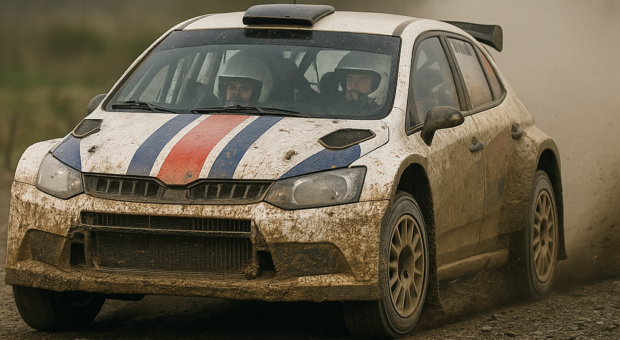
- Loose gravel increases suspension and tire stress due to constant sliding and uneven terrain.
- Suspension components experience higher impact loads.
- Dust and debris accelerate wear on seals and joints.
- Tires wear faster, requiring strategic tire choices based on mileage and stage type.
Tarmac Stages
- Tarmac stages put more consistent loads on brakes and tires.
- Suspension setups are stiffer to improve handling, which can increase chassis stress over long distances.
- High-speed corners increase heat buildup in brakes and engines, affecting component lifespan.
Teams adjust rally car setup depending on whether the event features gravel, tarmac, or mixed surfaces, balancing performance with durability based on expected competition mileage.
Strategy Insights: Managing Competition Mileage for Rally Car Reliability
Rally teams develop detailed strategies to manage car wear based on mileage predictions and stage profiles.
- Component Lifecycles: Teams define maximum mileage limits for critical parts like gearboxes and suspension arms to prevent failures during stages.
- Service Intervals: Rally regulations specify service park timings where teams can repair or replace parts. Efficient use of service time is critical to address mileage-related wear.
- Pace Management: Drivers may modulate their pace on certain stages to conserve tires, brakes, or mechanical components, especially late in the rally.
- Tire and Brake Choices: Selecting compounds that balance durability with grip according to expected mileage can make a significant difference.
- Telemetry Monitoring: Real-time data on engine temperature, vibrations, and component status helps teams anticipate wear issues linked to mileage.
For example, during long WRC rallies like Rally Finland, teams often face over 300 km of competition mileage on fast gravel stages, pushing components to their limits and requiring meticulous service planning.
Common Mistakes: Overlooking Mileage Effects in Rally Preparation
Many rally teams and drivers can underestimate how competition mileage influences car wear, leading to avoidable issues:
- Ignoring Stage Length Variability: Treating all stages equally can cause teams to miss critical wear accumulation on longer or more abrasive stages.
- Inadequate Component Replacement: Using parts beyond their recommended mileage increases the risk of mechanical failures.
- Overly Aggressive Pace Without Strategy: Pushing flat out on every stage without managing component wear can cost valuable rally finishes.
- Neglecting Surface-Specific Setup: Failing to adapt rally car suspension or brake setup to the stage surface accelerates component degradation.
Understanding these pitfalls helps teams improve reliability and extract consistent performance across varied rally events.
Competition mileage is more than just a number in rally racing—it’s a key factor shaping rally car setup, team strategy, and the durability of every component. Rally fans who follow the technical side of the sport gain a deeper appreciation for the finely balanced challenge teams face: pushing the limits of speed while preserving the car through grueling WRC rally stages. Whether gravel, tarmac, or mixed surface, managing competition mileage remains a cornerstone of success in the rally championship.
See also our previous article: Warning signs that your engine, transmission, or suspension is near failure