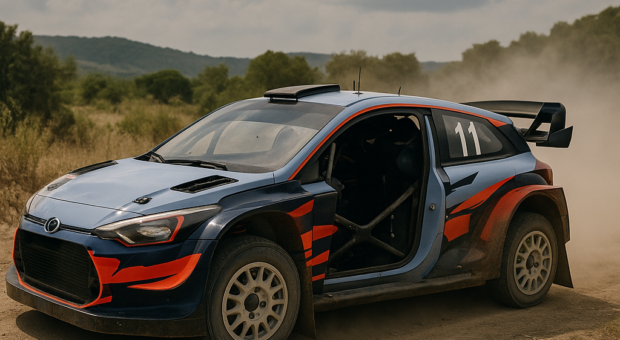
Breaking Down: Late Rally Retirement Shakes Up Championship After Gearbox Failure
What Happened on the WRC Rally Stages?
In a dramatic twist during the final stages of the latest WRC rally, a leading driver was forced to retire due to sudden gearbox problems. The issue arose on the penultimate stage, where the car’s transmission began slipping, leading to a loss of drive and ultimately ending their rally campaign prematurely.
This unexpected mechanical failure not only dashed hopes for a podium finish but also reshaped the dynamics of the championship battle. The incident highlights the critical role of rally car reliability and how even minor technical glitches can have major consequences in high-stakes motorsport.
Key Moments Leading to the Gearbox Failure
The gearbox trouble emerged after more than 200 competitive kilometres on mixed surfaces, including demanding gravel and fast tarmac sections. Key moments include:
- Stage 19 (Gravel Special): The driver reported unusual resistance when shifting from third to fourth gear.
- Service Check: Mechanics performed quick diagnostics but found no immediate fix.
- Stage 20 (Final Tarmac Loop): The gearbox seized, resulting in the driver stopping mid-stage.
- Retirement Announcement: The team confirmed the car would not restart, citing transmission damage.
These moments underline how rally car setup and maintenance must adapt to varied conditions, especially between gravel vs tarmac setups that stress drivetrain components differently.
Technical and Strategic Impact on Rally Team Strategy
Gearbox issues in rally cars often stem from a combination of wear, heat, and stress from aggressive shifting on challenging surfaces. This particular failure forced the team to reconsider their approach for upcoming events:
- Rally Car Reliability Focus: Engineers will prioritize gearbox durability improvements, possibly adjusting gear ratios or reinforcing components.
- Suspension and Drivetrain Balance: Changes in rally suspension and drivetrain setup may reduce stress on the gearbox during rough gravel stages.
- Rally Team Strategy Shift: With valuable points lost, the team must adopt a more conservative strategy in future rallies to secure consistent finishes.
This incident serves as a reminder that motorsport success depends not only on driver skill but also on meticulous technical preparation and adherence to rally regulations regarding vehicle components.
Driver and Team Reactions After Late Retirement
The driver expressed visible frustration but remained focused on the bigger picture:
> “It’s incredibly disappointing to have the gearbox give out so late. We were pushing hard, and the car felt good until then. Reliability is part of rallying, and we’ll come back stronger.”
The team principal emphasized lessons learned:
> “This gearbox failure is a setback, but it’s also an opportunity to improve our rally car setup and reliability. We’re analyzing data to prevent this from recurring.”
Fans and competitors alike took note of the shake-up in the rally championship update, as this retirement opened the door for rival teams to gain ground.
What Rally Fans and Competitors Should Watch Next
With the championship standings tightened, the focus now shifts to:
- How teams will address rally car reliability under varied stage conditions.
- The impact of gearbox durability on overall rally team strategy.
- Adjustments in gravel vs tarmac setup to reduce mechanical failures.
- Upcoming rallies’ stage profiles that might test drivetrain components differently.
As always, the unpredictable nature of WRC rally stages means every mechanical detail counts. Rally fans can expect intense competition and strategic innovation as teams battle not just the clock but the limits of their machines.
Looking for more in-depth information? You can also read one of our full guides here: How suspension setup affects performance on gravel stages.
Read the previous review: Stage report: where time was gained and lost on gravel