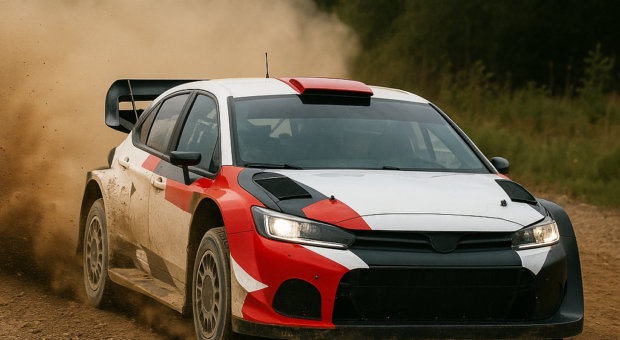
Gravel Stage Breakdown: How Rally Teams Gained and Lost Time on Challenging WRC Terrains
What Happened on the Crucial Gravel Stages?
The latest WRC rally event unfolded over a series of demanding gravel stages that tested every driver’s skill and every team’s rally car setup. As the crews tackled loose surfaces mixed with unpredictable rocks and dust, time gaps fluctuated dramatically. These gravel stages, known for their loose traction and rapid surface changes, became the battleground where championship contenders either solidified their positions or slipped down the leaderboard.
Several top drivers capitalized on their familiarity with gravel versus tarmac setups, while others struggled to adapt to the evolving road conditions. The stage report highlights where seconds were won and lost, revealing strategic choices and technical adjustments that shaped the rally championship update.
Key Moments That Shaped the Rally Timing
Early Stage: Clean Road Advantage vs. Road Sweeping
The opening gravel stages saw drivers starting at different positions battle the classic road sweeping effect. Early runners faced loose gravel that slowed them down, while later starters benefited from a cleaner racing line.
- Stage 2: Sébastien Ogier gained 8 seconds by expertly managing his rally suspension to maintain grip on the loose surface.
- Stage 4: Ott Tänak lost 12 seconds due to a cautious approach, prioritizing car reliability over outright pace on gravel.
- Stage 5: A surprise sector win by rookie driver Craig Breen showcased how aggressive gravel car setup can pay off early.
Mid-Rally: Technical Challenges and Rally Car Reliability
Midway through the gravel stages, the terrain became rockier, putting rally car reliability to the test. Suspension components and tire choices became critical factors.
- Elfyn Evans suffered a puncture on Stage 7, losing 30 seconds and illustrating the risk of aggressive gravel tire compounds.
- Toyota’s rally team strategy to switch to a stiffer rally suspension setup on Stage 8 helped Kalle Rovanperä gain 5 seconds by improving cornering stability.
- A mechanical issue forced Thierry Neuville to slow down, highlighting how tough gravel conditions impact rally car durability.
Final Gravel Stage: Strategic Time Gains and Losses
The last gravel test featured mixed surfaces and tight corners. Drivers who adjusted their gravel vs tarmac setup, anticipating smoother sections, gained an edge.
- Dani Sordo’s choice of a softer suspension setting allowed better traction in technical sections, gaining him 7 seconds.
- Conversely, Gus Greensmith’s overly stiff setup caused understeer, costing him nearly 10 seconds on tricky bends.
- The rally team strategy focusing on tire pressure adjustments during the service helped Hyundai maintain competitive pace.
Technical or Strategic Impact on Rally Team Performance
Gravel stages demand a delicate balance between car setup and driver confidence. The latest WRC rally stages highlighted how:
- Rally suspension tuning drastically affects performance on loose surfaces. Teams opting for adjustable dampers found better adaptability.
- Tire selection and pressure were a game changer. Softer compounds provided grip but increased puncture risk.
- Road order and rally regulations on starting positions influenced time gains due to road sweeping and surface conditions.
This stage report underscores that rally car setup on gravel isn’t static; it must evolve with stage conditions and driver feedback. Teams with flexible strategies and responsive mechanics gained the upper hand.
Driver and Team Reactions: Insights from the Gravel Battles
Post-stage interviews revealed mixed feelings about the challenging gravel conditions:
- Sébastien Ogier praised his team’s gravel car setup, stating, “The suspension felt perfect for the loose sections, and the balance gave me confidence to push.”
- Ott Tänak admitted, “We played it safe to protect the car, but the time loss shows we need to find better grip without compromising reliability.”
- Kalle Rovanperä’s team celebrated their strategic suspension tweaks, highlighting how small changes can shave off vital seconds on gravel stages.
These reactions reflect the ongoing tug-of-war between risk and reward, a key theme in motorsport news focused on rally championship updates.
What Rally Fans and Competitors Should Watch Next
Looking ahead, the upcoming stages will test how teams adapt their rally car setup from gravel to mixed surfaces. Attention will be on:
- How rally teams adjust to changing rally regulations affecting road order and tire usage.
- Whether drivers can maintain momentum gained on gravel when switching to faster tarmac sections.
- The impact of rally suspension durability over long competitive distances.
For rally enthusiasts, these stages offer a masterclass in balancing technical precision with aggressive driving. Every second counts, and gravel stages remain the unpredictable theater where champions are made or challenged.
Looking for more in-depth information? You can also read one of our full guides here: How to spot accident repairs on a rally car.
Read the previous review: Stage analysis: how road position affected performance today