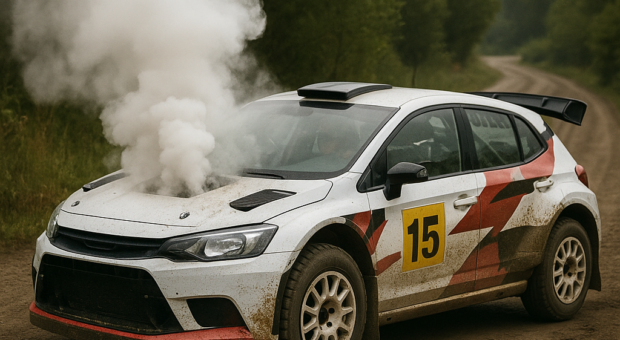
Rally Drama Unfolds: Mechanical Failures Shake Up Multiple Crews on Grueling Gravel Stage
What happened on the crucial WRC rally stage?
During the latest WRC rally event, one of the most demanding gravel stages caused unexpected mechanical failures for several top crews. The 28-kilometer test featured rough terrain, deep ruts, and unpredictable weather, which combined to create a perfect storm for rally car reliability issues.
Multiple teams reported suspension breakages, punctures, and gearbox troubles, forcing drivers to slow down or retire completely. Notably, three leading crews—two factory teams and one privateer—were severely affected, altering the leaderboard dramatically.
The stage’s challenging mix of high-speed straights and tight corners tested not only driver skill but also the durability of rally car setups under extreme conditions.
Key moments that defined the stage
- Mid-stage suspension failures: At kilometer 15, several crews experienced broken rear suspension arms after hitting hidden rocks beneath loose gravel. This incident notably impacted a top contender who lost over 90 seconds repairing damage on the spot.
- Multiple punctures: The sharp gravel edges led to a series of punctures, with one driver suffering two flat tires within the last 10 kilometers, dramatically reducing pace.
- Gearbox issues: One of the factory teams encountered gearbox malfunctions just before the final checkpoint, forcing the driver to complete the remaining 5 kilometers in limited gear ratios.
These mechanical setbacks provided an unexpected opportunity for resilient crews with conservative rally car setups to gain valuable time.
Technical and strategic impact on rally car reliability
The spate of mechanical problems highlights the critical balance between aggressive rally car setup and durability. Teams opting for stiffer suspension aimed to maximize speed over jumps and rough surfaces but risked increased vulnerability to suspension damage.
In contrast, crews running softer suspension and reinforced components enjoyed better reliability, albeit at the cost of some lap time. This stage underscored the importance of rally team strategy in adapting setups to unpredictable conditions.
Gravel vs tarmac setup lessons
- Gravel setups require higher suspension travel and robust components to absorb impacts.
- Overly aggressive setups can lead to failures, especially on mixed surfaces or deteriorating stages.
- Teams must anticipate changing stage conditions when deciding tire pressure and suspension stiffness, balancing speed and reliability.
This event serves as a reminder that rally car reliability is as crucial as outright pace in the fight for championship points.
Driver and team reactions to mechanical setbacks
Post-stage interviews revealed a mix of frustration and acceptance among crews affected by mechanical issues.
- “We pushed hard, but the stage just broke the car,” admitted one factory driver, acknowledging the fine line between performance and durability.
- Privateer teams praised their conservative approach: “Our setup wasn’t the quickest, but it kept us on the road when others faltered.”
- Rally engineers emphasized the need for improved component strength, particularly in suspension arms and gearbox internals, following the stage.
Teams now face a critical decision: whether to tweak setups for upcoming stages that may present similar terrain or to risk further mechanical troubles.
What to watch next in this rally championship update
The shake-up caused by mechanical failures opens the door for surprise podium contenders and adds intrigue to the remaining WRC rally stages. Fans should keep an eye on:
- How top crews adjust their rally suspension and car setup for the next gravel-heavy legs.
- Potential ripple effects on championship standings as reliability becomes a decisive factor.
- Strategic tire choices and pace management as teams weigh risk versus reward on unforgiving roads.
This stage exemplifies the unpredictable nature of rallying, where both man and machine are tested to the limit.
For rally enthusiasts and competitors alike, this development underscores the critical role of mechanical resilience and team strategy in securing victory amid the relentless challenges of WRC rally stages.
Looking for more in-depth information? You can also read one of our full guides here: Parts that fail most often during a rally season.
Read the previous review: Breaking: team orders influence stage results