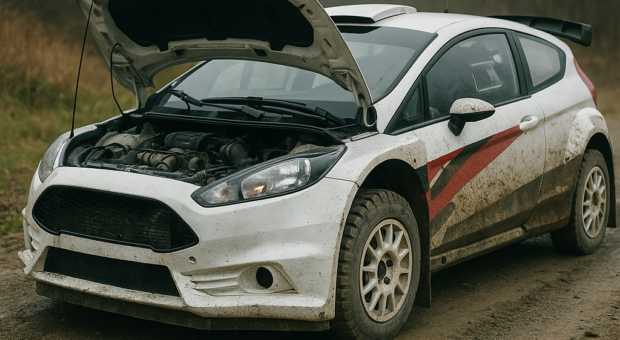
Rally Car Reliability Tested: Mechanical Failures Shake Up Key WRC Rally Stage
What happened on the challenging WRC rally stage?
Multiple top crews faced unexpected mechanical issues during a crucial gravel stage of the recent World Rally Championship event. The stage, known for its mix of high-speed straights and technical corners, proved to be a harsh test for rally car reliability. Several teams reported suspension failures, gearbox glitches, and hydraulic problems that forced drivers to slow down or retire.
This rare cluster of mechanical troubles across different teams disrupted the usual rhythm and dramatically altered the leaderboard. The incidents highlighted just how critical rally car setup and durability are when tackling demanding WRC rally stages.
Key moments that defined the stage outcome
- Stage 9, Gravel test: Rough terrain and hidden rocks caused multiple suspension arm breaks, notably affecting two championship contenders.
- Gearbox issues: One leading driver reported delayed gear shifts mid-stage, losing precious seconds on a section normally dominated by high-speed acceleration.
- Hydraulic failure: A critical hydraulic leak shut down power steering for a front-runner, forcing a cautious finish to preserve the car.
- Strategic pace adjustments: Some crews chose to back off their pace, prioritizing rally car reliability over outright speed to avoid retirement.
These mechanical setbacks resulted in unexpected position changes, offering opportunities for mid-field drivers to climb the ranks.
Technical or strategic impact on rally team strategy
The spate of mechanical failures brought rally team strategy sharply into focus. Rally car setup, especially suspension tuning for gravel vs tarmac conditions, was scrutinized after the stage. Teams running softer suspension setups seemed more vulnerable to component damage in the rough sections, while those with more robust, stiffer settings preserved their cars better.
Gearbox and hydraulic system reliability also emerged as crucial factors. Teams are now expected to revisit component durability and cooling solutions to endure the harsh conditions without compromising performance.
Key technical takeaways include:
- Reinforcing suspension arms and mounting points for gravel-heavy stages.
- Enhancing gearbox cooling to prevent overheating in long, fast sections.
- Upgrading hydraulic lines and fluid quality to reduce leak risks.
From a strategic perspective, crews must balance aggressive pace with mechanical sympathy, especially when rally championship points are on the line.
Driver and team reactions to mechanical setbacks
Leading drivers expressed frustration but acknowledged the unpredictable nature of rally car reliability:
> “It’s tough when the car lets you down on a stage you’re pushing hard. Our team did everything to prepare, but gravel stages like this expose even small weaknesses,” said a top WRC driver.
Team principals highlighted the importance of learning from failures:
> “These issues underline how critical it is to adapt setup and improve component strength. Rally regulations push us to innovate, but nature always tests our limits,” commented a team engineer.
Meanwhile, crews who avoided mechanical drama praised their cautious approach:
> “We knew the stage would be punishing, so we opted for a safer setup and a steady pace. It paid off with consistent splits and no damage,” noted a mid-field driver.
What rally fans and competitors should watch next
The ripple effects of this mechanical shake-up will be felt throughout the rally championship. Fans can expect:
- Teams experimenting with new suspension configurations and tougher parts in upcoming gravel-heavy events.
- Potential shifts in rally team strategy, emphasizing reliability and endurance alongside speed.
- Close monitoring of rally car setup choices for differing terrain types, especially gravel vs tarmac setups.
- An intensified battle for championship points as crews capitalize on rivals’ misfortunes.
Keep an eye on the next WRC rally stages, where crews will fight not just the clock, but also the limits of their machines. The balance between performance and reliability remains a defining challenge in world-class rally competition.
Looking for more in-depth information? You can also read one of our full guides here: Rally cars known for season-long reliability.
Read the previous review: Post-stage reactions from drivers and co-drivers