Breaking News: Massive Incident Disrupts WRC Rally Stages, Shakes Up Championship Standings
What Happened During Today’s WRC Rally Stages?
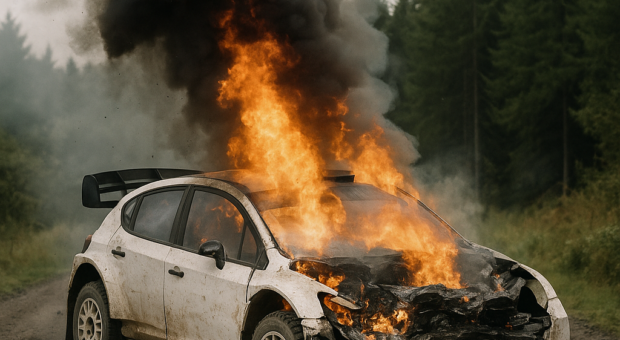
The latest WRC rally event was rocked by a major incident on Stage 7, where a high-speed crash involving two top-tier rally cars forced a pause in the competition. The collision occurred on a notoriously tricky gravel section characterized by loose stones and tight hairpins, causing significant damage to both vehicles and halting the event for over an hour.
The incident unfolded as drivers battled for crucial seconds on a stage that demanded precise rally car setup, especially in terms of suspension tuning for gravel terrain. Visibility had dropped due to intermittent dust clouds, leading to misjudgment in braking points.
Key Moments That Defined the Incident
- Stage 7 gravel section: The uneven surface and loose stones led to reduced traction.
- High-speed approach to a hairpin corner: Both drivers miscalculated entry speed.
- Collision impact: One car rolled onto its side, while the other sustained front-end damage.
- Event suspension: Organizers halted the rally to clear the stage and assess safety.
- Restart and time penalties: The delay and penalties reshuffled the leaderboard.
Technical or Strategic Impact on Rally Teams
This incident highlighted critical considerations in rally car reliability and setup for mixed-gravel stages:
Suspension and Rally Car Setup Challenges
The gravel vs tarmac setup dilemma was evident as teams struggled to find the balance between stiffness and compliance in rally suspension systems. The aggressive stage demanded softer suspension to absorb rough terrain, but drivers also needed responsive handling for tight corners.
Rally Team Strategy Adjustments
- Teams with conservative setups gained an advantage as they avoided damage.
- Drivers pushing aggressively faced higher risks of mechanical failure.
- Rally team strategy shifted toward risk management over outright speed in subsequent stages.
Driver and Team Reactions to the Shaken WRC Rally
Leading drivers expressed mixed feelings about the incident’s impact on the rally championship update:
- Top driver A: “It was a harsh reminder that rally car reliability is paramount. One mistake on these WRC rally stages can cost you dearly.”
- Team principal B: “Safety is our priority. We’re reviewing our rally car setup for gravel to reduce such incidents.”
- Rally newcomer C: “The crash changed the dynamic completely; it’s a tough lesson in stage awareness and strategy.”
What Rally Fans and Competitors Should Watch Next
This major incident has several implications for the remainder of the rally season and upcoming events:
Focus Areas for Upcoming Rally Stages
- Enhanced safety protocols: Organizers may introduce stricter regulations on pace notes and stage reconnaissance.
- Rally suspension innovations: Teams could experiment with adaptive suspension technologies to better handle variable surfaces.
- Shift in championship dynamics: Drivers who maintained consistent stage times without incidents will have a stronger position in the rally championship standings.
What to Expect in Motorsport News
As teams regroup, rally fans should stay tuned for:
- Updates on vehicle repairs and technical inspections.
- Strategic decisions announced by rally teams regarding car setup modifications.
- Detailed analysis of how gravel vs tarmac setup choices influence performance across diverse WRC rally stages.
This incident serves as a powerful reminder of the unpredictability inherent in rally racing—where split-second decisions, technical precision, and strategic foresight converge. For enthusiasts and competitors alike, the evolving story promises intense developments as the championship battle intensifies.
Looking for more in-depth information? You can also read one of our full guides here: The real cost of a rally season: car, parts, logistics, and entry fees.
Read the previous review: Mid-rally report: who is managing pace and who is pushing too hard