Mid-Rally Report: Who’s Controlling Pace and Who’s Overdriving on WRC Gravel Stages
What Happened So Far on the Gravel WRC Rally Stages?
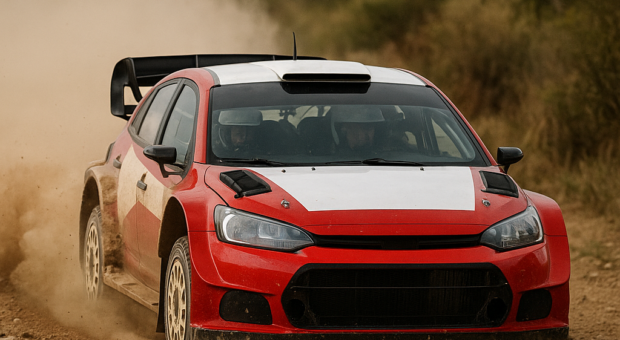
The latest WRC gravel rally has reached its halfway mark with dramatic shifts in pace and strategy. Early leader Ott Tänak has maintained impressive consistency, managing his rally car setup expertly to adapt to the ever-changing loose gravel conditions. Meanwhile, younger drivers like Kalle Rovanperä are pushing the limits, showing blistering stage times but also flirting with the edge of control.
The rally’s rougher-than-expected terrain has forced teams to rethink their rally suspension choices, balancing durability and speed. Several top contenders suffered punctures or minor damages, highlighting the critical role of rally car reliability in these punishing stages.
Key Moments That Shaped the Mid-Rally Standings
Tänak’s Measured Approach Pays Off
- Ott Tänak’s gravel vs tarmac setup transition was spot on, optimizing his car’s grip without sacrificing suspension compliance.
- His careful pace management on the more technical, rocky sections preserved tyres and prevented costly mistakes.
- Tänak’s stage times, while not always fastest, have been consistently within the top three, allowing him to build a solid lead.
Rovanperä’s Aggressive Push Brings Risks
- Kalle Rovanperä’s commitment to maximum attack saw him set fastest times on two of the last three stages.
- However, his aggressive driving style led to a puncture on the penultimate stage, costing him over a minute.
- This risk-reward balance highlights the challenges of rally team strategy when deciding how hard to push versus preserving the car.
Mechanical Woes for Key Contenders
- Thierry Neuville faced a suspension issue after hitting a deep rut, forcing a conservative pace to reach service.
- Elfyn Evans experienced turbo lag symptoms, suspected to be electrical, impacting his power delivery on steep climbs.
Technical and Strategic Impact on Rally Team Strategy
The mid-rally report underscores how crucial rally car setup and rally team strategy are under these gravel WRC stages:
- Rally suspension tuning was a deciding factor. Teams opting for softer setups gained traction but risked bottoming out on rough terrain.
- Tyre choice and management became a chess game, with some crews gambling on harder compounds to avoid punctures.
- Pace control emerged as a central theme: drivers who pushed too hard early paid the price, while those managing pace secured valuable stage times.
This dynamic demonstrates how rally regulations and service intervals influence pacing decisions. Teams must balance outright speed with mechanical sympathy to maximize championship points.
Driver and Team Reactions to Mid-Rally Developments
Post-stage interviews revealed contrasting mindsets among drivers and teams:
- Ott Tänak praised his team’s preparation, saying, “The car felt balanced, and we focused on keeping things steady. It’s about reading the road and saving the car for tomorrow’s tougher stages.”
- Kalle Rovanperä admitted, “I pushed maybe a bit too hard on stage 7. It cost me time, but I wanted to close the gap. The car is quick, just need to be more patient.”
- Hyundai’s Thierry Neuville reflected on the suspension damage: “We underestimated some of the deeper ruts on stage 5. The team is working hard to fix it, but it’s made me rethink how aggressively to attack.”
What Rally Fans and Competitors Should Watch Next
As the rally shifts towards faster, more flowing gravel stages, expect a renewed battle in rally car setup tweaks. Teams will likely adjust suspension stiffness and tyre pressures to extract more speed without compromising reliability.
- Keep an eye on how drivers adapt their pace: will Tänak maintain his controlled pace, or will Rovanperä’s aggressive style pay off in the later stages?
- Watch for potential changes in rally team strategy as service intervals approach, with possible riskier tyre choices or setup switches.
- Monitor mechanical reliability closely—mid-rally attrition often decides final podiums in WRC rally championships.
This mid-rally snapshot reveals the delicate balance between pushing the limits and managing endurance in world-class rallying. Fans can expect thrilling battles ahead as drivers and teams adapt to the evolving conditions and chase crucial championship points.
Looking for more in-depth information? You can also read one of our full guides here: Beginner’s guide to choosing your first rally car for local competitions.
Read the previous review: Night stage report: visibility, risks, and time gaps