Night Stage Report: Visibility Challenges, Risks, and Time Gaps in Rally Racing
What Happened During the Night Stage of the Rally
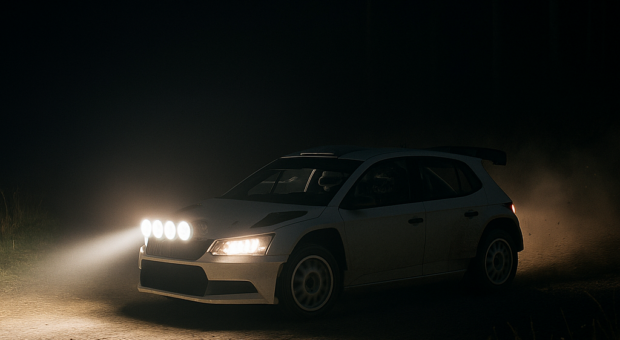
The latest night stage in this rally round tested drivers and teams in ways daylight stages simply don’t. As the sun dipped below the horizon, the course transformed into a high-stakes challenge where visibility became the ultimate adversary. Drivers tackled a 25-kilometer gravel stage under artificial lighting conditions, with intermittent fog and damp patches complicating the route.
The reduced sightlines forced teams to adapt their rally car setup, focusing on optimal lighting and suspension tweaks to maintain traction on the slick surface. As a result, time gaps between the frontrunners widened significantly compared to earlier daytime runs, reshuffling the leaderboard and providing fresh insights into team strategies and driver skill under pressure.
Key Moments That Defined the Night Stage
Visibility-Related Incidents
- At kilometer 12, several crews reported unexpected dips in visibility due to dense fog pockets, causing cautious driving and minor time losses.
- One of the championship favorites experienced a near-spin on a sharp left-hander when the high beam reflections obscured the corner’s apex.
- Multiple drivers praised the effectiveness of upgraded LED light pods and rally car auxiliary lighting, which proved decisive in navigating blind crests and fast straights.
Time Gaps and Competitive Shifts
- The overnight leader extended their advantage by 8.4 seconds, capitalizing on superior night driving experience and a rally suspension setup optimized for gravel with low-light conditions.
- A surprise contender moved up two places, posting the third-fastest time by balancing aggression and caution in treacherous sectors.
- The top five separated by just 22 seconds, highlighting how night stages can dramatically impact championship standings.
Technical and Strategic Impact of Night Stage Conditions
Rally Car Setup Adjustments for Night Stages
Visibility constraints led teams to prioritize:
- Lighting enhancements: High-intensity LED bars, cornering lights, and windshield anti-glare treatments.
- Suspension tuning: Softer rally suspension settings to cope with cooler temperatures and uneven gravel surfaces, maintaining grip and stability.
- Tire choices: Gravel tires with reinforced sidewalls to withstand unexpected gravel debris and wet patches.
Rally Team Strategy and Risk Management
Teams adopted varying approaches:
- Some instructed drivers to adopt a conservative pace during the first half of the stage, aiming to avoid costly errors in low visibility.
- Others encouraged pushing harder in well-lit or familiar sections to claw back lost time.
- Co-drivers played a crucial role, delivering pacenotes with heightened precision to compensate for limited visual cues.
Driver and Team Reactions After the Night Stage
Insights from Drivers
- “The fog really tested our limits,” commented the overnight leader. “Visibility was patchy, and you had to trust your notes and car setup more than ever.”
- A mid-field driver praised the rally car’s adaptive suspension: “It soaked up the bumps and helped me keep control despite the tricky conditions.”
- Several drivers noted the psychological toll of night driving, emphasizing the balance between aggression and caution.
Team Feedback on Rally Car Reliability and Setup
- Mechanics reported no significant mechanical issues despite the night’s demanding conditions, highlighting the importance of rigorous pre-stage inspections.
- One team engineer explained how gravel vs tarmac setup decisions evolved: “We leaned towards gravel settings but made minor tweaks anticipating cooler, possibly damp conditions at night.”
What to Watch Next in the Rally Championship Update
The night stage has reshaped the fight for podium positions, setting the scene for intense battles in upcoming tarmac sections. Key factors to monitor include:
- How teams adjust rally car setups as they transition from gravel night stages to faster daylight tarmac runs.
- Whether drivers who excelled under low-light conditions can sustain their momentum.
- The ongoing impact of rally team strategy in balancing risk versus reward as championship points become increasingly critical.
Rally fans and competitors alike should keep an eye on the evolving dynamics, as the night stage’s visibility challenges and time gaps have proven to be a pivotal chapter in this rally’s unfolding story.
Looking for more in-depth information? You can also read one of our full guides here: The most reliable engines used in rallying and why they survive extreme conditions.
Read the previous review: Breaking: team orders influence stage results