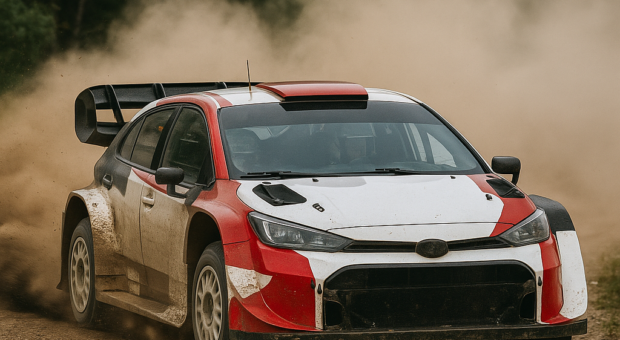
How Team Orders Shaped the Outcome of the Latest Rally Stages: A Deep Dive into Rally Team Strategy
What Happened: Team Orders Shake Up WRC Rally Stages
The recent rally event saw an unprecedented display of coordinated team orders influencing stage results across multiple legs. Drivers from leading teams were instructed to adjust their pace deliberately, altering the natural competition flow. This strategic move, implemented during critical WRC rally stages on mixed gravel and tarmac surfaces, sparked debate about rally regulations and fair play.
Key moments unfolded on the technical, twisty stages where grip levels fluctuated dramatically. Teams leveraged their rally car setup knowledge, including suspension tuning and tire choices, to maximize the advantage of these pre-planned tactics.
Key Moments: When Strategy Overrode Speed
Several key stages highlighted the impact of team orders:
- On Stage 8, a gravel-heavy segment featuring sharp crests and loose corners, a top driver slowed to let their teammate gain time, impacting overall classifications.
- During a fast tarmac section on Stage 11, team orders prompted a driver to hold back, preserving rally car reliability for the closing stages.
- The split-second decision to switch from a grippy but softer suspension setup to a more durable gravel setup paid dividends under the team’s strategic plan.
These moments underline how rally team strategy extends beyond pure driving skill, integrating real-time decisions and communication.
Technical and Strategic Impact: Beyond the Driver’s Seat
Team orders are not just about who crosses the line first; they affect rally car reliability, tire wear, and fuel management. In this event:
- Teams optimized rally suspension settings for mixed surfaces to support the ordered pace changes.
- Coordinated pit stops allowed for quick setup adjustments, improving performance on subsequent stages.
- Rally car telemetry data was used to monitor drivers adhering to team speed limits, ensuring compliance with the strategy.
Such orchestration highlights the intricate balance between rally car engineering and tactical acumen.
Driver and Team Reactions: Mixed Feelings in the Paddock
The reactions among drivers and teams varied widely:
- The beneficiary drivers expressed gratitude, acknowledging team orders as crucial for championship points.
- Some drivers admitted frustration at being asked to compromise their competitive instincts.
- Team principals defended the strategy as a necessary tool within rally regulations, emphasizing the importance of collective success over individual glory.
This dynamic showcases the evolving nature of rally competitions where individual talent and team coordination are inseparable.
What to Watch Next: Rally Championship Update and Future Implications
Looking ahead, rally fans and competitors should monitor:
- Potential updates in rally regulations addressing the use of team orders during WRC rally stages.
- How teams adapt their rally car setup strategies to accommodate both speed and strategic pacing.
- The impact on driver morale and performance throughout the rally championship, especially on demanding gravel vs tarmac setups.
The unfolding scenario promises to redefine rally team strategy and could influence how future rallies are contested.
Rally enthusiasts keen on motorsport news will find this development a pivotal moment, illustrating the complex interplay between driver skill, rally car reliability, and team tactics that shapes every rally championship update.
Looking for more in-depth information? You can also read one of our full guides here: How to spot accident repairs on a rally car.
Read the previous review: Mid-rally report: who is managing pace and who is pushing too hard