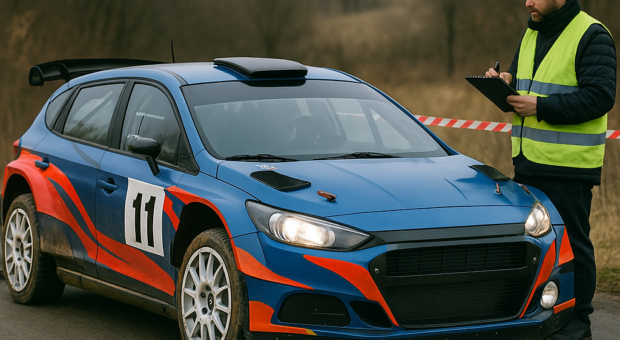
Breaking News: Penalties Shake Up Rally Championship After Stage Inspection
What Happened During the Post-Stage Inspection?
Following the completion of the grueling WRC rally stages at the recent gravel event, officials issued a series of penalties after a thorough stage inspection. Several rally teams faced sanctions due to non-compliance with technical regulations governing rally car setup and equipment. The stage inspection, focusing on rally suspension legality and vehicle weight distribution, uncovered irregularities that impacted final results.
The penalties ranged from time additions to outright disqualifications, stirring immediate controversy in the paddock. Officials cited breaches in rally regulations related to unauthorized modifications in suspension components and discrepancies in underbody protection aimed at optimizing gravel vs tarmac setup transitions.
Key Moments Leading to Penalties in Rally Regulations
Suspicious Rally Suspension Adjustments
- Inspectors found that some teams altered suspension travel beyond the allowed limits, giving an unfair advantage on the rough gravel stages.
- Specific rally cars showed use of non-homologated shock absorbers designed to improve car stability on loose surfaces.
- These subtle setup changes influenced stage times, especially on technical sections with tight corners and uneven terrain.
Weight and Ballast Irregularities
- Several vehicles were found with ballast placements that violated the minimum weight distribution rules.
- Teams attempted to gain better traction and cornering balance by manipulating rally car weight, improving acceleration out of slow corners.
- This breach directly affected rally car reliability and handling, providing an edge in critical WRC rally stages.
Technical and Strategic Impact on Rally Team Strategy
The inspection penalties have forced a reassessment of rally team strategy across the championship. Teams now face increased scrutiny over:
- Rally car setup compliance: Ensuring every component meets strict homologation standards.
- Suspension tuning: Balancing optimal performance on mixed surfaces without breaching regulations.
- Pre-race inspections: Implementing thorough self-checks to avoid costly penalties.
This shake-up highlights how crucial technical precision is, not just driver skill or pace, in securing championship points.
Driver and Team Reactions to Motorsport News
Several top drivers expressed frustration, emphasizing the thin line between innovation and violation in rally car setup. Notably:
- The leading driver in the championship called for clearer guidelines on rally suspension modifications, stressing that ambiguity can undermine fair competition.
- A prominent team principal admitted the penalties were a hard lesson in adhering to rally regulations, promising stricter internal compliance.
- Other competitors welcomed the enforcement, arguing that rally car reliability and fairness benefit when rules are applied consistently.
What Rally Fans and Competitors Should Watch Next
This development significantly alters the rally championship update landscape. Keep an eye on:
- How teams adapt their rally car setup to avoid future penalties without sacrificing performance.
- Potential appeals or protests that could influence final standings.
- Modifications in technical regulations ahead of upcoming WRC rally stages, particularly on mixed gravel and tarmac surfaces.
- Impact on driver confidence and rally team strategy as competitors recalibrate their approach to vehicle compliance.
Rally enthusiasts and competitors alike will find this an evolving story that underscores the intricate balance between pushing the limits and respecting the sport’s technical boundaries.
Looking for more in-depth information? You can also read one of our full guides here: How to reduce repair costs between rally events.
Read the previous review: Night stage report: visibility, risks, and time gaps