Night Stage Drama: How Visibility and Risks Shaped Rally Time Gaps and Team Strategies
What Happened on the Night Stage of the Rally
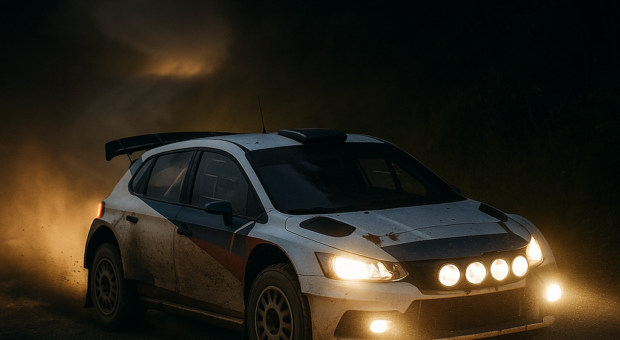
The latest WRC rally night stage delivered a high-stakes challenge that tested driver skill, car setup, and team strategy in equal measure. As darkness fell, the rally cars tackled a grueling 25-kilometer special stage characterized by tight gravel roads and limited visibility. The combination of low light, dust clouds, and unpredictable surface conditions led to dramatic shifts in the leaderboard and highlighted the crucial role of rally car setup and driver adaptability.
Unexpected time gaps opened up as some crews managed the night stage risks better than others, shaking up the championship standings and providing a glimpse into how teams approach such demanding WRC rally stages.
Key Moments That Defined the Night Stage
Visibility Challenges and Their Impact
- Thick dust kicked up by earlier runners combined with dense forest shadows created a “visibility corridor” effect, severely limiting sightlines beyond 20 meters.
- Several drivers reported issues with glare from their high-intensity LED light pods reflecting off loose gravel, complicating braking points.
- The gravel vs tarmac setup debate came to the forefront, as the stage featured slippery patches where aggressive suspension tuning either punished or rewarded the drivers.
Time Gaps and Risk Management
- Defending champion Sébastien Ogier gained nearly 15 seconds on his closest rival by opting for a softer rally suspension setup that absorbed the rough gravel better under night conditions.
- Conversely, Elfyn Evans struggled with understeer caused by a stiffer setup, losing over 20 seconds and dropping two places in the overall standings.
- The tricky sections near the halfway mark saw multiple near-misses, but only one retirement due to a puncture caused by a hidden rock—a reminder of rally car reliability challenges at night.
Technical and Strategic Impact on Rally Team Strategy
The night stage emphasized the importance of specific rally car setup choices tailored for darkness:
- Rally Suspension: Softer suspension allowed better absorption on uneven gravel but risked instability on faster sections.
- Lighting Configuration: Teams tested different LED arrays, balancing brightness with beam focus to optimize visibility without blinding drivers or causing glare.
- Tyre Selection: Some crews gambled on intermediate gravel tyres to handle mixed surface patches, affecting grip and wear rates.
Strategically, crews that prioritized conservative driving over outright pace avoided costly mistakes, highlighting how rally team strategy adapts to night stage risks. Service crews also played a critical role, adjusting setups during short service intervals based on driver feedback from the previous night run.
Driver and Team Reactions After the Stage
- Sébastien Ogier praised his co-driver’s pacenotes, saying, “In the dark, precise information is everything. Our setup gave me confidence to push where others held back.”
- Elfyn Evans acknowledged the setup challenges: “We went a bit too stiff, and it cost us time. The visibility was a real test for both the car and myself.”
- Hyundai’s Ott Tänak emphasized the unpredictability: “Night stages are where experience counts. You learn quickly that managing risks can be more important than chasing every second.”
Teams also revealed that data logging during this night stage provided valuable insights for future rally car development, particularly for optimizing rally suspension and lighting solutions in challenging conditions.
What to Watch Next in the Rally Championship Update
With the night stage reshaping the leaderboard, attention now turns to how teams will adjust their rally car setup and strategy for upcoming daylight stages featuring mixed gravel and asphalt surfaces. The evolving time gaps put pressure on drivers to balance aggression with caution, especially as rally regulations limit changes during service breaks.
Rally fans should watch for:
- How driver confidence evolves after mastering night stage visibility challenges.
- Potential shifts in rally suspension tuning as teams react to the night’s feedback.
- The ongoing battle to maximize rally car reliability when pushing limits under adverse conditions.
This night stage proved that in rallying, darkness brings new challenges and opportunities—factors that will keep both teams and fans on edge as the championship unfolds.
Looking for more in-depth information? You can also read one of our full guides here: How extreme weather affects reliability in rally events.
Read the previous review: Rally strategy update: tyre choices that changed the leaderboard