Rally Shock: Top Driver Out of Rally Finland After Critical Suspension Failure
What happened in Rally Finland’s crucial stages?
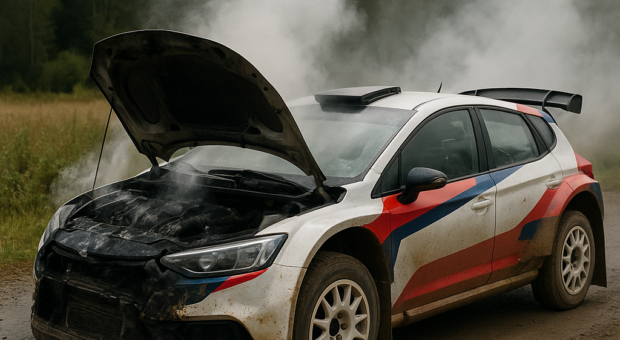
The unexpected unfolded during the penultimate stage of Rally Finland, as championship favorite and top-seeded driver Mikael Larsson faced a devastating suspension failure. Approaching the notorious Ouninpohja stage, Larsson’s rally car suffered a catastrophic left-front suspension break, forcing an immediate retirement from the event.
Larsson had been dominating the gravel stages with blistering pace, holding a solid 25-second lead heading into the day’s final loop. The failure occurred at a high-speed jump section, where the rally car setup demands perfect balance between ride height and suspension travel to handle the rough, fast Finnish terrain.
Key moments that altered the rally outcome
- Stage 20, kilometer 12: The suspension arm snapped under extreme load after a 40-meter jump landing.
- Immediate loss of control: Larsson’s car veered off the racing line, and he was forced to stop for safety reasons.
- Retirement confirmation: The team quickly assessed the damage and confirmed the rally car’s suspension was irreparable on-site.
This moment dramatically shifted the leaderboard, handing the stage win and overall lead to Larsson’s closest rival, Esteban Ruiz, who had been trailing by under 30 seconds.
Technical or strategic impact on rally car reliability
Suspension failures are among the most critical mechanical issues in rallying, especially on demanding WRC rally stages like those in Finland with their combination of high-speed jumps, rough gravel, and narrow forest roads.
Larsson’s team had opted for a softer rally suspension setup to maximize grip and absorb impacts on the notoriously bumpy gravel versus tarmac setup. While this approach generally improves stage times, it comes with the risk of overstressing suspension components on repeated jumps.
- Suspension type: MacPherson strut with reinforced wishbones.
- Failure cause: Metal fatigue on the left-front lower arm, exacerbated by repeated high-G impacts.
- Team strategy implications: Balancing rally car setup for optimal speed versus mechanical durability remains a major challenge, especially in rally championship update contexts where every point counts.
This incident highlights how crucial rally car reliability is in addition to outright pace, especially in long rally events where stage-to-stage consistency wins championships.
Driver and team reactions after the unexpected retirement
Mikael Larsson expressed visible frustration but acknowledged the unpredictable nature of rally racing:
> “It’s heartbreaking to be taken out by something mechanical when the car felt perfect. We pushed hard on the rally suspension setup to gain time on gravel, but these stages are unforgiving. We’ll regroup and focus on the next rally.”
The team principal emphasized the learning aspect:
> “We’re investigating the suspension failure thoroughly. The data shows the components were operating at their limits. This is a hard lesson in balancing performance and durability in rally car setup.”
Meanwhile, Esteban Ruiz, who now leads the rally, remained cautious:
> “It’s a tough way to take the lead, but we’ll keep the focus sharp. Rally Finland’s stages demand respect, and reliability will be key to sealing this victory.”
What to watch next: implications for upcoming rally events
- Rally championship update: Larsson’s retirement tightens the driver standings, with Ruiz gaining significant points.
- Rally team strategy shifts: Expect teams to revisit suspension component choices and gravel vs tarmac setup balances to avoid similar failures.
- Technical regulations focus: Rally regulators may scrutinize suspension durability standards more closely in future events.
- Upcoming WRC rally stages: The next rallies with mixed surface conditions will test whether teams adapt their setups to minimize mechanical risks while maintaining speed.
For rally fans and competitors, this incident underscores the razor-thin margin between victory and retirement in motorsport news. The blend of car setup, driver skill, and mechanical endurance continues to define the drama of rally racing.
Looking for more in-depth information? You can also read one of our full guides here: Production-based rally cars: what stays stock and what changes.
Read the previous review: Breaking news: penalties issued after stage inspection