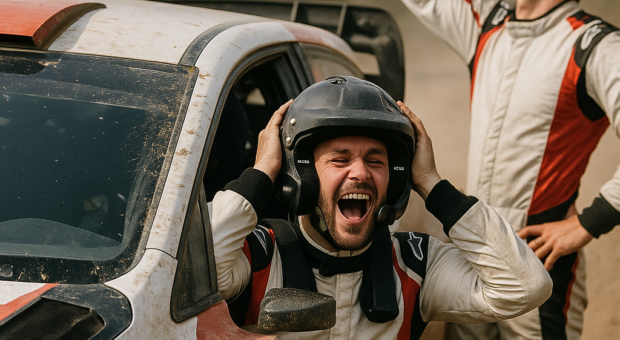
Driver Reactions After a Dramatic Stage Finish Shake Up Rally Championship
What Happened on the Final WRC Rally Stage?
The latest WRC rally stage delivered an electrifying conclusion that left drivers, teams, and fans on edge. On the notoriously tricky gravel stage of “Mountain Pass Sprint,” sudden heavy rain transformed the terrain into a slippery battlefield. Several top contenders faced unexpected challenges, with the stage ending in a nail-biting sprint to the finish line.
- The leader heading into the stage, Sébastien Lefebvre, lost traction on the final corner, spinning his rally car and dropping crucial seconds.
- Teemu Koskinen capitalized on the conditions with a precise gravel vs tarmac setup adjustment, gaining time in the wet.
- Elfyn Morgan, known for his aggressive rally car setup tailored for loose surfaces, pushed hard but narrowly missed the stage win by 0.8 seconds.
This dramatic finish not only altered the stage results but also reshuffled the overall rally standings, setting up a tense battle for the next event.
Key Moments That Defined the Stage Outcome
Several pivotal moments during the stage had a defining impact on driver performance and rally team strategy:
Sudden Downpour Forces Quick Setup Adaptations
Midway through the stage, the unexpected rain forced drivers to adapt on the fly. Teams had opted for a conservative rally suspension setup favoring dry gravel, but the wet conditions exposed limitations in tire grip and car balance.
- Drivers with flexible driving styles fared better, adjusting their pace to match the evolving grip.
- Teams with advanced real-time telemetry could communicate critical updates, aiding drivers in managing tire wear and brake modulation.
Lefebvre’s Spin: A Moment of Misjudgment or Technical Failure?
Lefebvre’s spin raised questions about rally car reliability and driver decision-making under pressure.
- Post-stage analysis revealed minor understeer caused by worn front tires and slightly worn suspension components.
- Lefebvre admitted to pushing harder than usual, trying to defend his lead, which combined with stage conditions, led to the loss of control.
Koskinen’s Tactical Advantage with Gravel Setup
Koskinen’s choice to slightly soften the rally suspension and select a more aggressive tire compound proved decisive.
- This gravel setup allowed for better traction on wet rocks and muddy patches.
- His controlled aggression turned the stage in his favor, moving him up two overall positions.
Technical and Strategic Impact on the Rally Championship
This stage finish highlights how critical technical preparation and rally team strategy are in unpredictable conditions.
Rally Car Setup Flexibility Is Key
The contrast between gravel and tarmac setups became starkly evident:
- Drivers with versatile rally car suspension settings adapted better as the surface conditions changed.
- Teams now face increased pressure to balance performance and reliability across mixed surface stages.
Rally Car Reliability Under Pressure
The subtle wear on Lefebvre’s suspension components underscores the importance of durability:
- Rally teams must monitor component fatigue closely during back-to-back stages.
- Failure to anticipate wear can result in costly errors during decisive moments.
Implications for the Rally Championship Update
The shake-up in this stage’s leaderboard impacts the championship fight:
- Koskinen’s time gain moves him within striking distance of the championship leader.
- Lefebvre must recover quickly to minimize points lost, increasing pressure on his team’s rally car maintenance and strategy for upcoming WRC rally stages.
Driver and Rally Team Reactions Post-Stage
Sébastien Lefebvre on Handling Pressure and Technical Challenges
In his post-stage interview, Lefebvre reflected on the spin and what it means for his campaign:
> “I gave it everything out there, maybe too much in the tricky conditions. The car felt off in that last sector—probably the suspension wasn’t responding as I hoped. We’ll analyze every detail to avoid this in future stages.”
Teemu Koskinen Praises Team Strategy and Adaptability
Koskinen emphasized the role of rally team strategy and setup decisions in his strong performance:
> “Our team made the right call with the suspension and tires. The conditions changed fast, but we stayed calm and trusted the setup. It’s a massive confidence boost heading into the next rally.”
Elfyn Morgan Focuses on Learning from the Margins
Morgan, narrowly missing the stage win, highlighted the fine margins in rally car setup:
> “We were close, but maybe a slightly different approach on suspension stiffness would have given us that extra grip. It’s all about tweaking and improving stage by stage.”
What Rally Fans and Competitors Should Watch Next
The drama of this stage finish sets the scene for an intense continuation of the rally season. Fans and competitors alike should keep an eye on:
- How teams evolve their rally car setups to cope with mixed gravel and wet conditions.
- The durability of key car components under increasing stage pressure.
- Driver mental resilience and adaptability in rapidly changing stage environments.
- Championship points battles tightening as small margins on stages make big differences in standings.
The Mountain Pass Sprint stage will be remembered as a turning point in this rally, proving once again that in motorsport news, nothing is certain until the last corner.
Looking for more in-depth information? You can also read one of our full guides here: Rally cars known for season-long reliability.
Read the previous review: Post-stage reactions from drivers and co-drivers