Parc Fermé Report: Crucial Technical Checks Shake Up Rally Car Compliance and Team Strategies
What Happened: Post-Stage Technical Inspections at Parc Fermé
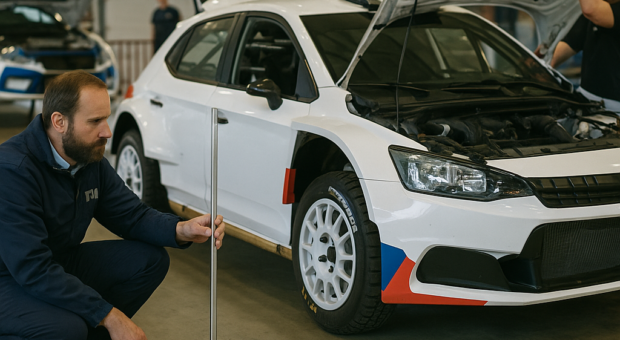
After the grueling WRC rally stages that tested every driver’s skill and every car’s resilience, the parc fermé area became the focal point for intense technical scrutiny. Officials conducted a series of stringent checks to ensure all rally cars complied with the latest rally regulations, focusing on aspects such as rally car setup, suspension integrity, and aerodynamic components.
The inspections targeted both gravel and tarmac setups, with particular attention to:
- Suspension travel and damping adjustments
- Weight distribution and minimum car weight rules
- Engine mapping and air intake systems
- Underbody protection and skid plate measurements
These technical checks were conducted immediately after the day’s competitive stages, locking down any modifications teams might have attempted outside the allowed parameters.
Key Moments: Compliance Updates Impact Rally Championship Standings
One of the headline moments came when a leading team’s gravel setup was found to exceed the allowed suspension travel limits by a few millimeters. This seemingly minor infraction resulted in a time penalty, reshuffling the rally leaderboard and giving rival teams a crucial advantage heading into the next legs.
Additionally, several cars underwent detailed scrutiny for rally car reliability, as some teams pushed their engines and transmissions to the limits on demanding terrains. The parc fermé inspections revealed minor oil leaks and wear that teams will need to address before the upcoming stages.
Technical or Strategic Impact: How Parc Fermé Checks Influence Rally Team Strategy
Parc fermé rules restrict teams from making significant changes overnight, so the compliance updates forced teams to rethink their rally team strategy. Teams that barely passed the technical checks now face the challenge of maintaining performance without the possibility of major repairs or setup changes until the rally concludes.
The focus on rally suspension compliance highlighted the fine balance teams must strike between aggressive setups for speed and durability to pass post-stage inspections. Teams running gravel vs tarmac setups had to carefully select components that meet regulations while optimizing performance on mixed surfaces.
For example:
- Teams optimized shock absorber settings to remain within allowed travel while ensuring grip on loose gravel.
- Weight-saving modifications were scrutinized, with some teams needing to add ballast to meet minimum weight rules.
These restrictions have a direct effect on driver confidence and car handling, influencing driving style and risk-taking on subsequent WRC rally stages.
Driver and Team Reactions: Navigating the Tightrope of Compliance and Performance
Drivers expressed mixed feelings about the parc fermé inspections. Some praised the strict enforcement as a way to maintain a level playing field in motorsport news, ensuring no team gains an unfair advantage through technical loopholes. Others felt the penalties were harsh, especially when marginal technical differences led to significant time losses.
Team principals highlighted the importance of understanding the evolving rally regulations and preparing their cars accordingly. One team manager noted:
> “The parc fermé inspections force us to innovate within very tight limits. It’s a test of engineering creativity as much as driver skill.”
Drivers also emphasized how the parc fermé conditions affected their approach to the next stages, knowing that the car setup was locked in place:
- “We have to drive smarter, preserving the car because any damage now could compromise our rally car reliability.”
- “Adjusting to the fixed setup after parc fermé feels like managing a new puzzle on each stage.”
What to Watch Next: Upcoming Stages and Compliance Challenges
As the rally progresses, teams will face even more challenging terrain, putting their parc fermé-approved setups to the ultimate test. Fans and competitors alike should watch for:
- How teams manage rally suspension wear over rough gravel sections without the option for repairs.
- The impact of enforced weight regulations on car agility in tight, technical tarmac segments.
- Potential strategic gambles as teams balance speed with preserving rally car reliability under parc fermé constraints.
The parc fermé report underscores the dynamic interplay between technical compliance and competitive strategy, a core element shaping the drama of rally championships.
For rally fans, these developments offer a deeper appreciation of the behind-the-scenes battles happening beyond the timed stages, highlighting the intricate engineering and regulatory challenges teams navigate every weekend.
Looking for more in-depth information? You can also read one of our full guides here: Parts that fail most often during a rally season.
Read the previous review: Night stage report: visibility, risks, and time gaps