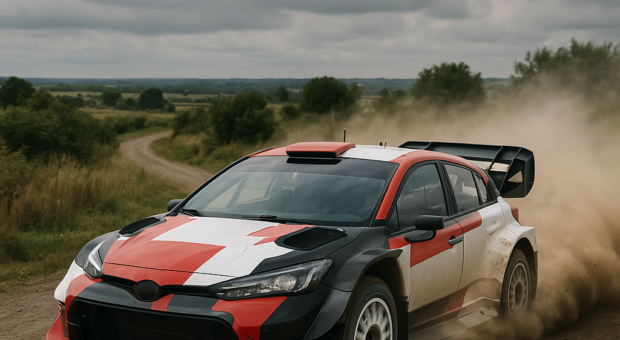
Rally Weekend Preview: What to Expect from Stages, Weather, and Strategy
As the next round of the World Rally Championship (WRC) approaches, teams and drivers are gearing up for a weekend that promises intense competition, varied terrain, and challenging weather conditions. This preview dives into the critical elements shaping the event — from the demanding rally stages and unpredictable weather to the technical setups and strategic decisions that could define the outcome.
What Happened in Recent Rally Events and Why It Matters
The last few WRC rounds have seen a mix of surprise podium finishes and mechanical retirements, highlighting the razor-thin margins between success and failure. Notably, gravel specialists have gained ground where rough terrain and loose surfaces tested rally car reliability and suspension setups.
- Driver A’s win on a gravel-heavy rally was attributed to an aggressive suspension tuning that absorbed impacts without compromising speed.
- Conversely, Driver B suffered a puncture and lost crucial seconds due to a conservative tire choice, demonstrating how weather and stage conditions influence rally team strategy.
The upcoming event will test similar variables but with an additional twist — mixed surface stages alternating between gravel and tarmac, demanding adaptable rally car setups and split-second tactics.
Key Rally Stages to Watch: Technical Challenges and Surface Changes
The rally itinerary includes eight special stages, ranging from fast, flowing gravel sections to tight, technical tarmac segments. This blend requires teams to optimize for both gravel vs tarmac setups, especially in suspension and tire selection.
Gravel Sections: Focus on Rally Suspension and Durability
- Rough, rocky gravel stages will challenge rally suspension systems to maintain grip and stability.
- Teams often adjust spring stiffness and damping rates to balance comfort and performance.
- Tire choice here leans toward robust compounds designed to resist cuts and punctures.
Tarmac Stages: Precision and Grip Are King
- On asphalt, drivers demand sharper handling and maximum grip.
- Suspension setups soften compared to gravel, with lower ride heights to improve aerodynamics.
- Brake cooling becomes critical on these stages due to higher average speeds and frequent heavy braking zones.
The alternation between these surfaces within the same day tests rally car reliability and the crew’s adaptability in service parks, where quick setup changes must be executed flawlessly.
Weather Forecast and Its Impact on Rally Team Strategy
Weather predictions forecast intermittent rain showers, raising the stakes for tire decisions and on-the-fly strategy adjustments.
- Wet gravel can turn stages into slippery mud tracks, forcing teams to consider softer tires with better traction.
- Tarmac stages may become damp, affecting braking distances and cornering speeds.
- Teams may adopt a cautious approach early on to preserve the car’s mechanical integrity and tires for the decisive final runs.
Strategic calls under these conditions can make or break a team’s rally championship update, as gaining time early might risk reliability, while playing safe could cost valuable seconds.
Driver and Team Reactions: Insights into Rally Car Setup and Strategy
Several top drivers have shared their thoughts ahead of the weekend:
- Driver C emphasized the challenge of balancing rally suspension settings for mixed surfaces, stating, “Finding the sweet spot between aggressive and stable is key. One wrong setup could cost minutes.”
- Team engineers are focusing on flexible rally car setups that allow quick adjustments between stages, especially in suspension and brake components.
- Some teams are prioritizing rally car reliability over outright speed, betting that attrition will play a bigger role given the tricky weather forecasts.
What to Watch Next: Motorsport News and Rally Championship Update
Fans and competitors alike should keep an eye on:
- How teams manage service intervals to switch between gravel and tarmac setups efficiently.
- The effect of weather shifts on tire selection and stage times.
- Emerging rally championship contenders who excel in adapting strategy and car setup under mixed conditions.
This weekend is poised to deliver a masterclass in rally team strategy and driver skill, where understanding the nuances of stage conditions and technical tweaks could be the difference between victory and defeat.
Whether you follow the action from the service park or trackside, the blend of unpredictable weather, challenging surfaces, and strategic complexity promises an unforgettable rally experience for all rally car enthusiasts.
Looking for more in-depth information? You can also read one of our full guides here: The most reliable engines used in rallying and why they survive extreme conditions.
Read the previous review: Stage analysis: how road position affected performance today