Stage Analysis: How Road Position Affected Performance Today on WRC Rally Stages
What Happened on Today’s Rally Stages?
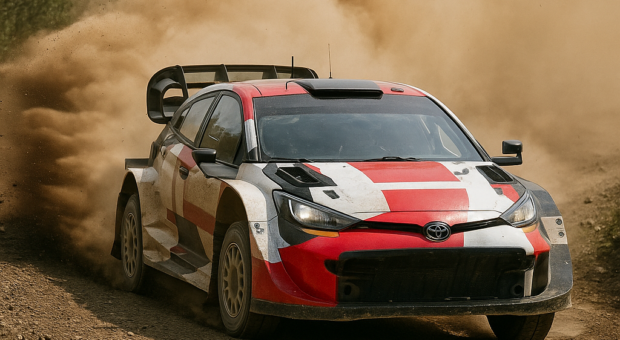
The latest WRC rally stages delivered a dramatic showcase of how road position can drastically influence driver performance and team outcomes. As the crews tackled a mix of gravel and tarmac sections, starting order played a pivotal role, impacting grip levels, visibility, and surface conditions throughout the day.
Early starters faced loose gravel swept off by preceding cars, leading to slower times and increased tire wear. Conversely, drivers running later enjoyed cleaner racing lines but had to adapt to evolving weather conditions that introduced unexpected challenges to their rally car setup.
Key Moments Highlighting Road Position Impact
- Opening Stage Surprise: The first stage saw the rally leader forced to open the road, effectively sweeping loose gravel and losing precious seconds to rivals starting behind.
- Mid-Stage Grip Shift: Mid-pack drivers benefited from a slightly damp surface that enhanced traction, allowing them to push harder with a gravel vs tarmac setup optimized for mixed conditions.
- Late Starter Advantage: A handful of drivers starting near the back capitalized on dry lines and fewer road-cleaning duties, posting some of the fastest stage times and narrowing the championship gap.
These moments underscore how critical rally team strategy and car setup are when factoring in road position on multi-surface WRC rally stages.
Technical and Strategic Impact of Road Position on Rally Car Setup
Road position forced teams to make significant adjustments in their rally suspension, tire choices, and overall car balance. For example:
- Rally Suspension Tuning: Teams running early had to soften suspension to handle loose gravel and avoid excessive tire degradation.
- Tire Selection: Those starting later opted for a harder compound to cope with abrasive tarmac sections drying out under the sun.
- Aerodynamic Adjustments: Some crews tweaked aerodynamic settings to maintain stability at higher speeds on cleaner lines.
The constant evolution of stage conditions also tested rally car reliability, as setups had to balance durability and performance without compromising speed.
Driver and Team Reactions to Road Position Challenges
Team principals and drivers shared candid insights post-stage, reflecting how road position shaped their approach:
- Lead Driver Comments: “Opening the road always means losing time early on, but it’s part of rally regulations. We focused on preserving tires today,” admitted the championship leader.
- Mid-Pack Strategy: One competitor noted, “Our rally team strategy paid off by choosing a mixed setup for the variable surface. Road position gave us a slight edge with grip.”
- Late Starters’ Optimism: Drivers starting later expressed confidence that clean lines and improved traction could help them claw back time, setting up an exciting battle for tomorrow’s stages.
These reactions highlight the complex interplay between regulations, team tactics, and driver skill on unpredictable rally terrain.
What Rally Fans Should Watch Next
Tomorrow’s itinerary promises more WRC rally stages with shifting surface conditions and tight competition. Key points to watch include:
- How teams adapt rally car setups for changing gravel vs tarmac demands.
- Whether road position continues to influence stage winners or if weather changes level the playing field.
- The impact of rally suspension tweaks on maintaining pace over rougher sections.
Stay tuned to motorsport news updates for the latest rally championship update as drivers and teams navigate these evolving challenges.
For rally enthusiasts and competitors alike, understanding the nuances of road position and its technical effects offers deeper appreciation of the skill and strategy behind every split second on the stage.
Looking for more in-depth information? You can also read one of our full guides here: How to spot accident repairs on a rally car.
Read the previous review: Championship update: how today’s rally reshapes the title fight